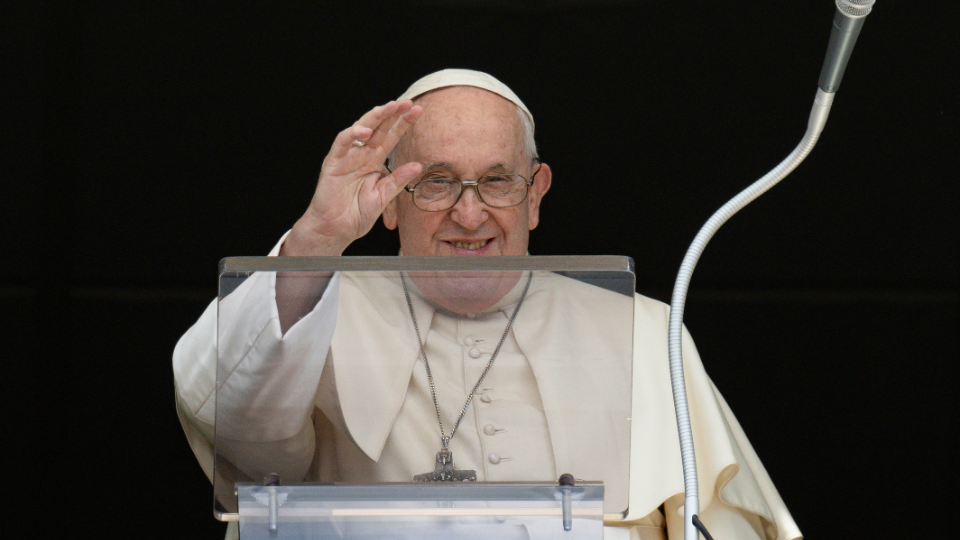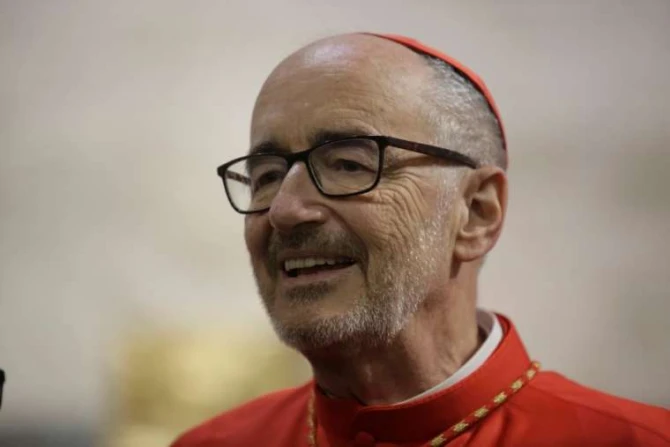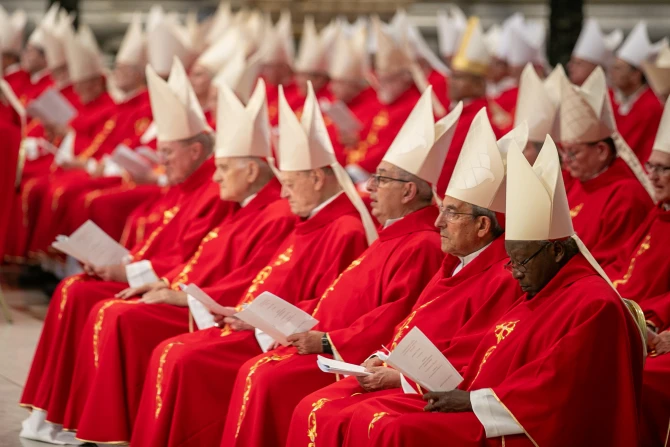
The upcoming conclave to elect the successor to Pope Francis will be the largest in the history of the Catholic Church, with 133 cardinal electors expected to gather in the Sistine Chapel on May 7, Vatican officials confirmed this week.
SIGN UP FOR OUR NEWSLETTER HERE
The unprecedented number surpasses all previous papal conclaves, breaking the previous record of 115 electors in the 2005 and 2013 elections. It also marks the first time a conclave will be held with more than 120 voting cardinals — the limit set by St. John Paul II in his 1996 apostolic constitution Universi Dominici Gregis.
While paragraph 33 of that document capped the number of electors at 120, paragraph 36 of the constitution affirms that any “cardinal of Holy Roman Church who has been created and published before the College of Cardinals thereby has the right to elect the pope.”
The College of Cardinals said earlier this week that Pope Francis lawfully dispensed with the numerical limit by exercising his supreme authority as pontiff.
The Vatican confirmed Tuesday that two of the 135 cardinals under age 80 — Spanish Cardinal Antonio Cañizares and Kenyan Cardinal John Njue — will not attend the conclave due to health concerns, bringing the number of expected electors to 133.
A two-thirds majority will be required to elect the next pope, meaning a candidate must receive at least 89 votes to be chosen as the 266th successor of St. Peter.
This year’s gathering will also be among the most geographically diverse in Church history. The 135 eligible electors come from 71 countries across all six inhabited continents, with the largest national groups hailing from Italy (17), the United States (10), and Brazil (7).
While popes in recent decades have frequently exceeded the 120-elector threshold in consistories, no conclave until now has opened with more than 120 electors.
Pope John Paul II, for example, allowed the number of electors to rise to 135 in 2001, but only 117 took part in the 2005 conclave. Similarly, Pope Benedict XVI’s consistories in 2010 and 2012 saw the number of electors briefly exceed 120, but the 2013 conclave also had only 117.
Historically, papal conclaves were much smaller affairs. One of the largest conclaves of the Renaissance occurred in 1503, with just 39 cardinals casting votes.
Conclaves in centuries past could take significantly more time, however, with the 13th-century conclave to choose Pope Clement IV’s successor lasting 1,006 days.
Papal conclaves in recent history have typically concluded within a few days.
This article was originally published on Catholic News Agency.