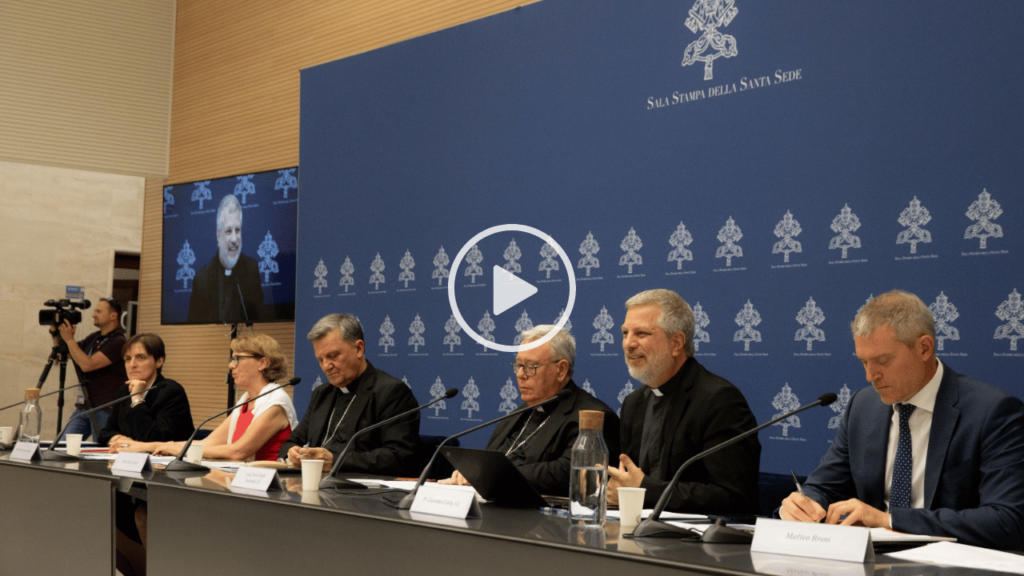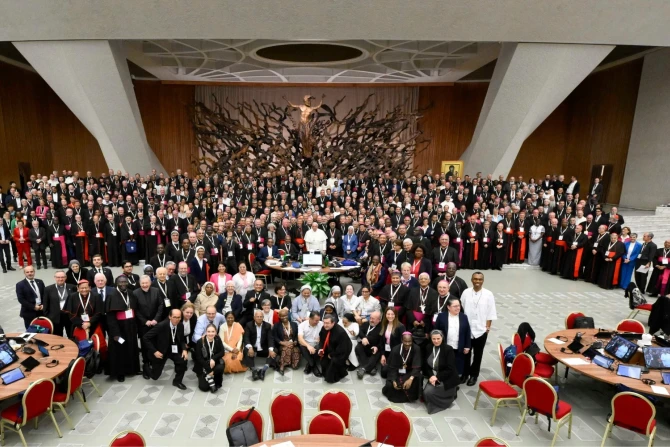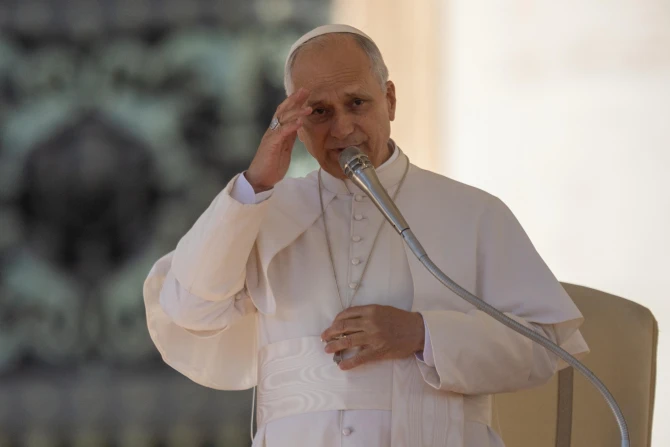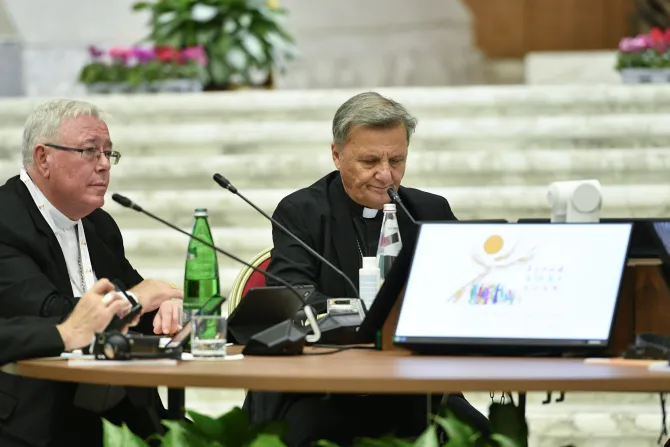
Synod on Synodality leaders invited participants to greater communion with Jesus and with others, including those who may rub them the wrong way, as they started a new discussion topic on Monday.
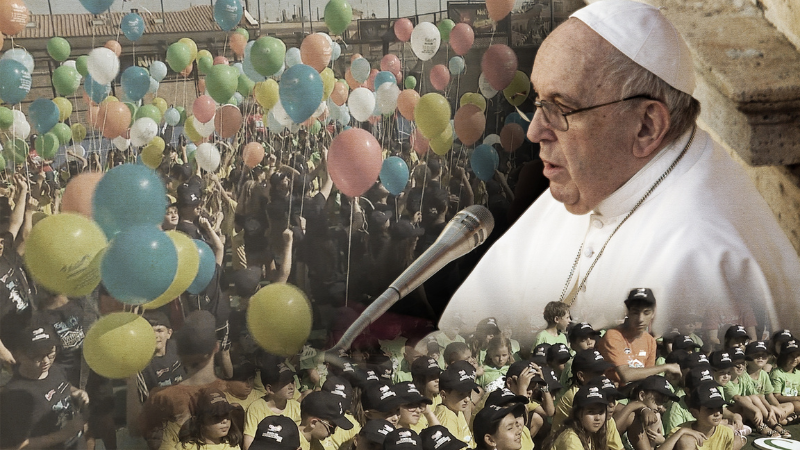
“All are invited to be part of the Church,” Cardinal Jean-Claude Hollerich said at the start of the Oct. 9 general congregation. He cited Pope Francis’ comments at World Youth Day in Lisbon, Portugal, in August, that the Church is for “todos” (“everyone”).
Though he was slated to attend the synod’s morning session, Pope Francis pulled out at the last minute due to “unforeseen commitments,” Vatican News reported.
“In deep communion with His Father through the Holy Spirit, Jesus extended this communion to all the sinners,” Hollerich said in his remarks. “Are we ready to do the same? Are we ready to do this with groups that might irritate us because their way of being might seem to threaten our identity?”
Failing to do so, he added, “will make us look like an identitarian club.”
As relator general, the Luxembourg cardinal addresses participants at the beginning of each new discussion module. Oct. 9–12 the synod will focus on section B1 of the Instrumentum Laboris, or guiding document.
Section B1 of the Instrumentum Laboris asks people to reflect on “the concrete daily life of Christian communities” and “the question of whether there are limits to our willingness to welcome people and groups, how to engage in dialogue with cultures and religions without compromising our identity, and our determination to be the voice of those on the margins and reaffirm that no one should be left behind.”
Specific topics for discernment cover the greater inclusion of people with disabilities, the divorced and remarried, LGBTQ+ Catholics, refugees and migrants, and homeless people.
Synod participants are also invited to reflect on interfaith and intercultural dialogue, justice and charity, relations between Eastern and Latin Catholics, and ecumenism.
Hollerich said he was told that discussion of section B1 would be the time during the synod when “tensions will rise.”
“We are not afraid of tensions,” the cardinal said. “Tensions are part of the process, as long as we consider ourselves to be sisters and brothers walking together.”
Anna Rowlands, a professor of Catholic social thought and practice at Durham University in Durham, England, also presented on communion, opening with a reference to a question posed to the assembly by Father Timothy Radcliffe, OP: “Can we find the courage to encounter reality, as it really is?”
“He placed before us the paradox of our call to be Christlike: to hear, see, and feel the condition of our world, and yet to be gently honest with ourselves that we do not find bearing reality so easy,” she said.
Section B1 of the Instrumentum Laboris, Rowlands said, “invites us to grow in communion by reflecting with humility with those who are vulnerable, suffering, or weak, on the vulnerabilities and weaknesses of the Church.”
“We ask with courage how we might be closer to the poorest, more able to accompany all the baptized in a variety of human situations, disposed of false power, closer to our fellow Christians, and more engaged with our particular cultures,” the theologian added.
Radcliffe, who also led a three-day retreat for synod participants before the assembly’s opening Oct. 4, gave a spiritual reflection on the topic of love Oct. 9.
“We should be formed for deeply personal encounters with each other, in which we transcend easy labels. Love is personal and hatred is abstract,” the English priest said.
“So many people feel excluded or marginalized in our Church because we have slapped abstract labels on them: divorced and remarried, gay people, polygamous people, refugees, Africans, Jesuits!” he said. (His joke about Jesuits being marginalized was met with laughter).
“A friend said to me the other day: ‘I hate labels. I hate putting people in boxes. I cannot abide these conservatives,’” Radcliffe continued, to another small outburst of laughter.
“If you really meet someone, you may become angry, but hatred cannot be sustained in a truly personal encounter. If you glimpse their humanity, you will see the one who created them and sustains them in being whose name is I AM,” he said.
This article was originally published on CNA.