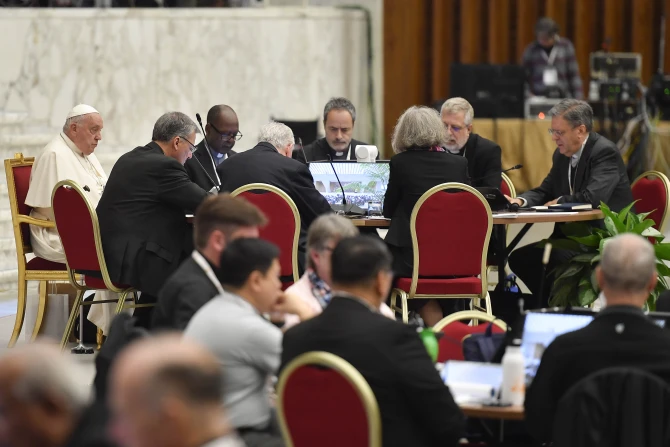
Leaders of the 10 study groups formed out of the 2021–2024 Synod on Synodality met on Tuesday morning to discuss open questions, methodology, challenges, and the delivery of reports, according to a communication from the synod office.
Formed in 2024 at Pope Francis’ request, the study groups are intended to deepen the theological, pastoral, and canonical reflections on 10 themes from the first session of the Synod on Synodality held in October 2023.
The study groups, which are made up of priests, bishops, and experts from around the world, are examining the theological and canonical issues surrounding Church ministries, the reform of seminary education, relations between bishops and consecrated men and women, the figure and ministry of the bishop, ecumenical relations, and how to have a synodal approach to controversial doctrinal issues.
According to the General Secretariat of the Synod, on Feb. 18, the coordinators and secretaries of the study groups met to present the progress of each group, including a timeline for the delivery of their final reports, expected in summer 2025.
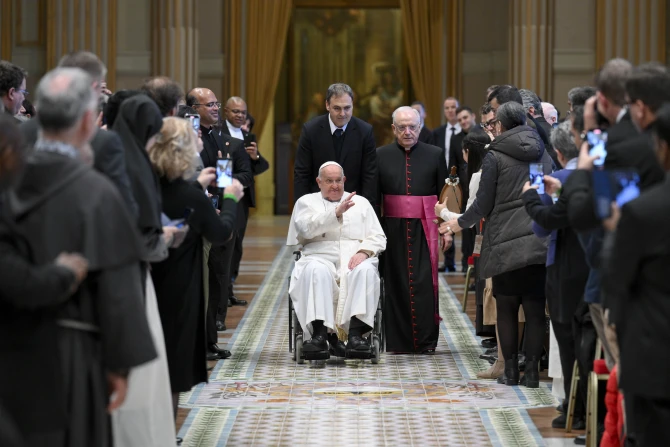
The morning included a time of prayer, including for Pope Francis’ quick recovery from the respiratory illness that has hospitalized him.
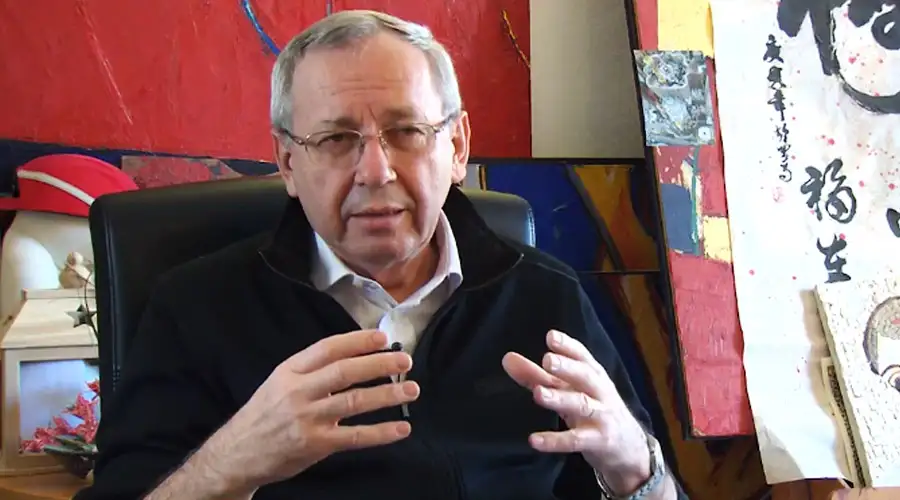
Group coordinators were informed that they can make use of a canonical commission to help with questions of Church law if needed, and Jesuit Father Giacomo Costa, a consultor in the synod office, gave directions on the drafting and delivery of reports so they will have a certain level of uniformity.
Cardinal Mario Grech, secretary-general of the synod office, reminded the groups to take into consideration any feedback they have received by email. Anyone may share their thoughts with the synod and its study groups via the email address synodus@synod.va until March 31.
“New contributions will be forwarded to the secretaries of the groups concerned in a timely manner,” the press release said.
Apart from the original 10 study groups, an additional five study groups were created in 2024 to provide deeper theological analysis of “five perspectives” ahead of the second session of the synod, held at the Vatican from Oct. 2–27, 2024.
An October 2024 Vatican assembly marked the end of the discernment phase of the Synod on Synodality, which began in 2021.
The current phase is focused on implementation, with the study groups expected to continue their work through June.
This article was originally published on Catholic News Agency.