The Vatican announced Tuesday the renewal of its agreement with China on the appointment of Catholic bishops for another four years, extending the validity of the agreement until Oct. 22, 2028.
The renewal comes just days after a Hudson Institute report highlighted how seven Catholic bishops in China have been detained without due process, while others have been subjected to intense pressure, surveillance and police investigations since the initial signing of the Sino-Vatican agreement six years ago. Despite these critical issues, the Vatican has expressed willingness to continue dialogue with Beijing.
Vatican-China agreement on bishops: renewal and future prospects
The English translation of the Holy See’s official statement states that “the Vatican side remains dedicated to promoting respectful and constructive dialogue with the Chinese side, with a view to the further development of bilateral relations for the benefit of the Catholic Church in China and the Chinese people as a whole.” Both sides agreed to extend the interim agreement after “appropriate consultations and evaluations.”
Chinese Foreign Ministry spokesman Lin Jian confirmed the extension and reiterated that the two sides will maintain “contacts and dialogue following a constructive spirit.” This spirit of cooperation aims to strengthen bilateral relations, although there is no shortage of challenges.
Violations of the agreement on bishops in China: a challenge for the Vatican
Despite diplomatic efforts, China has violated the terms of the agreement by unilaterally appointing bishops in Shanghai and in the “Diocese of Jiangxi,” a diocese created by the Chinese government and not recognized by the Vatican. This has raised quite a few concerns among Catholics and international observers, who see the Chinese intervention as an attempt to interfere in the Church’s internal affairs.
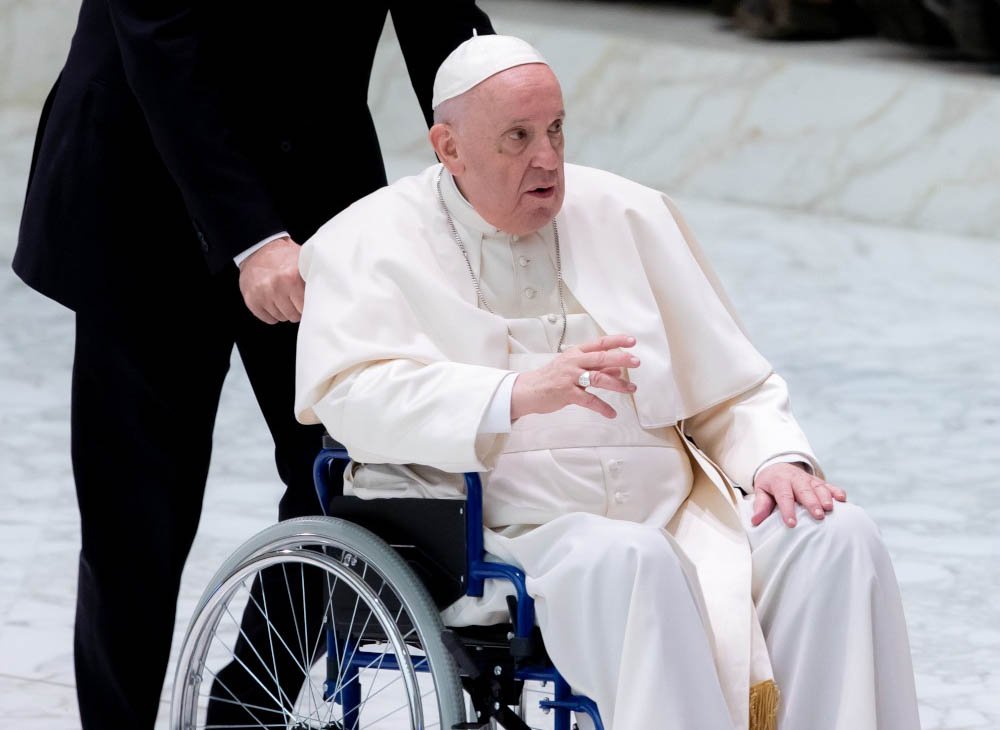
However, Pope Francis expressed satisfaction with the ongoing dialogue with China during a press conference in September. In contrast, Archbishop Paul Richard Gallagher, the Vatican’s foreign minister, was more cautious, calling the agreement “not the best possible deal” and stressing that there is still much work to be done to improve its implementation.
Since 2018, about ten bishops have been appointed and consecrated under the terms of the Sino-Vatican agreement, Vatican News reported. Despite the difficulties, some appointments, such as that of a new Beijing coadjutor bishop scheduled for Friday, indicate progress in cooperation between the two sides.
The role of religious freedom in Vatican-China negotiations
As the Vatican seeks to improve relations with China, many critics point to the Holy See’s lack of a strong stance on religious freedom issues. Human rights advocates point out that serious violations of religious freedom in China, including the persecution of Muslim Uighurs and the imprisonment of pro-democracy activists such as Hong Kong Catholic Jimmy Lai, were not mentioned during the negotiations.
Chinese authorities, according to a recent report by the U.S. Commission on International Religious Freedom (USCIRF), have ordered the removal of crosses from churches and replaced images of Christ and the Virgin Mary with images of President Xi Jinping. This campaign of “sinicizing religion” has also led to the censorship of religious texts and the imposition of Chinese Communist Party slogans inside churches.
In conclusion, while the Vatican continues its dialogue with China, challenges related to religious freedom and church autonomy remain central to the debate, making the path to fully fruitful cooperation complex.
This article was originally published in Catholic News Agency.