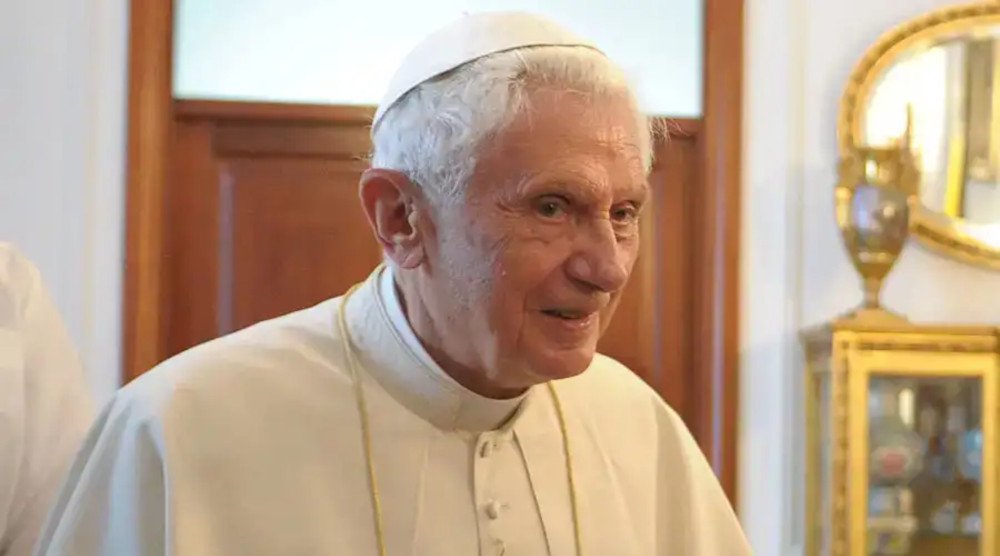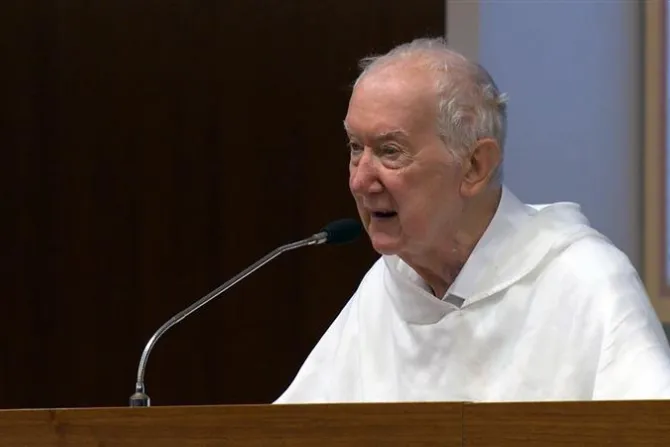
Just days after organizers of the second session of the Synod on Synodality in October said topics were not the focus of discussions, two prominent participants have publicly weighed in on the question of Catholics identifying as LGBTQ.
Dominican Father Timothy Radcliffe and Jesuit Father James Martin on Sept. 19 published personal reflections on pastoral approaches to Catholics experiencing same-sex attraction.
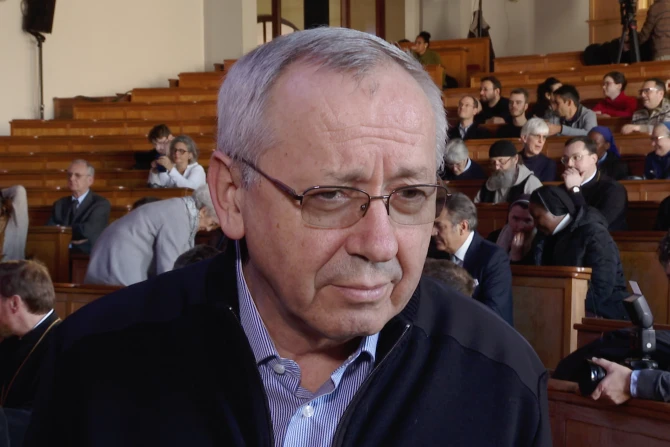
Radcliffe, who served as a spiritual assistant at the 2023 synod assembly, has courted controversy in the past with statements on same-sex attraction. He wrote in the Sept. 19 edition of L’Osservatore Romano, the newspaper of the Holy See, about being on “the synodal path with gay Catholics.”
The 79-year-old Dominican wrote that same-sex “desires,” like all desires, are “God-given” and need to be “educated” rather than denied. Radcliffe praised “mature gay Catholics” in “committed relationships.”
“Church teaching is already developing as it is refreshed by lived experience: gay people are no longer seen only in terms of sexual acts but as our brothers and sisters who, according to Pope Francis, can be blessed,” Radcliffe added.
Strong opposition at the synod
Meanwhile, Father James Martin on Sept. 19 for America Magazine covered conversations he had with synod delegates over the past year regarding what he described as “LGBTQ issues.”
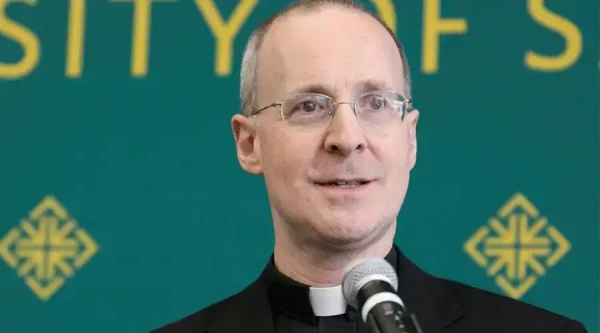
The controversial Jesuit, who attended the 2023 synod as a papal appointee, reported encountering strong opposition.
The priest, who founded the pro-LGBTQ group Outreach, outlined several objections he heard from synod participants, including that LGBTQ ideology represents a form of neo-colonialism imposed on traditional cultures.
“In the end, the best way to help those who oppose” LGBTQ, Martin wrote, “is to meet them, listen to them, and come to know them as beloved children of God, that is, our brothers and sisters in Christ.”
Critics have over the years accused Martin of rejecting Catholic teaching on the sinfulness of homosexual acts, but he has insisted that he does not reject the teaching of the Church.
The Church’s consistent teaching on homosexuality is outlined in the Catechism of the Catholic Church, which states that while individuals with homosexual tendencies “must be accepted with respect, compassion, and sensitivity,” homosexual acts are “intrinsically disordered” and “under no circumstances can they be approved” (CCC, 2357–2358).
The catechism further emphasizes that persons experiencing same-sex attraction “are called to chastity” and can draw nearer to Christian perfection through self-mastery, prayer, and sacramental grace (CCC, 2359).
Apostolates like Courage International offer spiritual support and fellowship for Catholics seeking to live according to Church teaching on this issue. Courage takes a chastity-based approach, helping members grow in holiness while embracing the Church’s vision of human sexuality.
The articles by Radcliffe and Martin come as the Synod on Synodality prepares to hold its second and final session from Oct. 2–27 at the Vatican.
The gathering of bishops and other participants is expected to discuss a range of issues related to the Church’s mission and internal life.
Controversial topics — such as LGBTQ questions — have been delegated to the competency of 15 study groups, whose mandate extends beyond the October synod to June 2025.
These groups will provide an update on their work at the beginning of the synod session in October.
This article was originally published on Catholic News Agency.