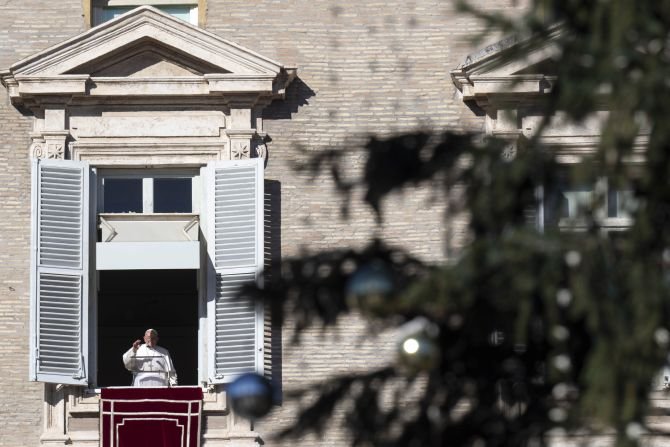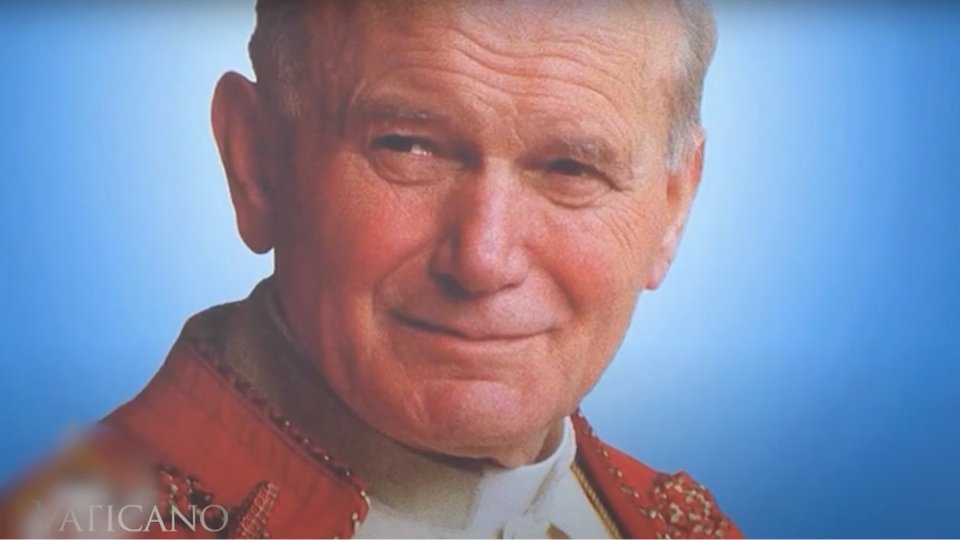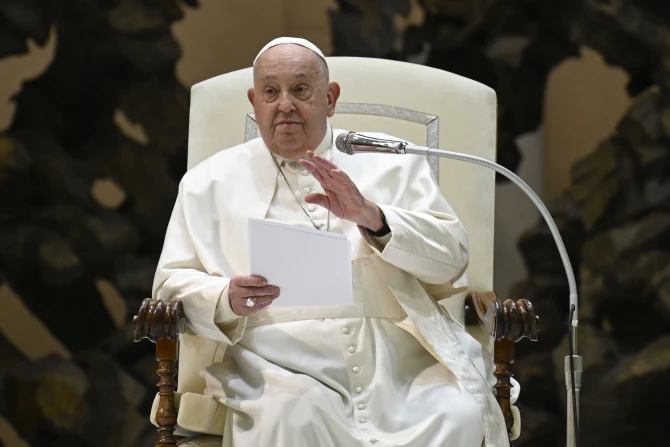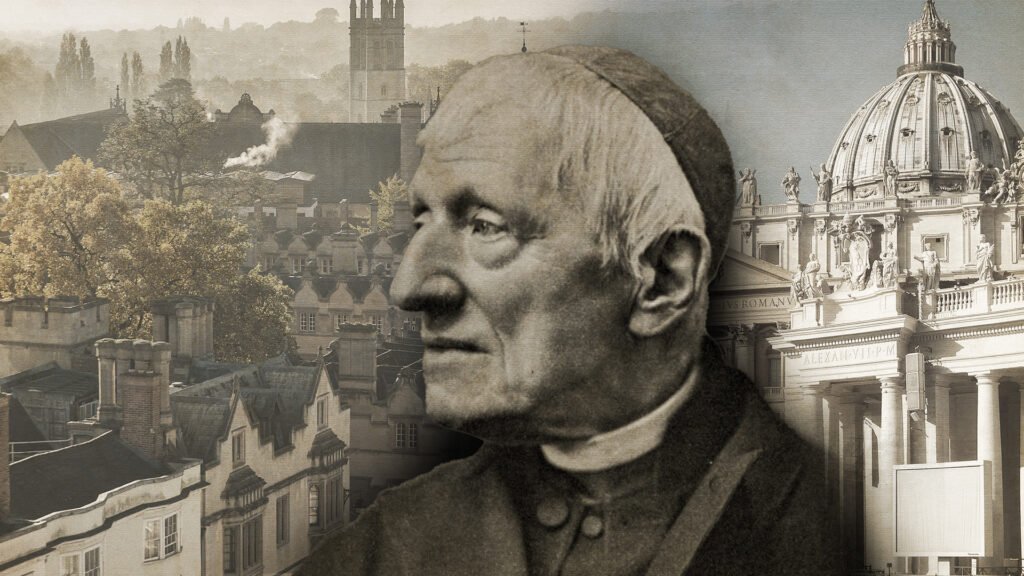
Five years ago, with thousands of pilgrims gathered in St. Peter’s Square, Pope Francis declared Cardinal John Henry Newman a saint. A brilliant academic, poet, theologian and one of the most charismatic figures of the 19th century, Newman left an indelible mark on his time.
From Anglican roots to Catholic curiosity
Born in England in 1801, Newman grew up in an Anglican family. Ordained an Anglican priest at age 24, he served as a clergyman and professor at Oriel College in Oxford for more than two decades. Despite his alliance with the High Church, he had a deep respect for the early Christian tradition, which he believed was shared by the Anglican Church. However, Newman’s journey took an unexpected turn, leading him to question and eventually embrace Catholicism.
“He knew that the Church of Rome was the mother of the Church in England,” explains Father Hermann Geissler, director of the Newman Center in Rome. This respect for Rome clashed with his belief that “the Pope was the Antichrist,” a sentiment shared by many Anglicans of his time.
A journey of illness and revelation
Newman’s path to Catholicism was marked by a significant episode in 1833. During a trip to Italy, he contracted typhus, which led him to a moment of profound spiritual experience. “In his delirious madness, he cried out, ‘I will not die because I have not sinned against the light,'” Father Geissler recalls, pointing to a mystical encounter that Newman himself struggled to fully explain.
In 1845, Newman’s studies of the Church Fathers led him to leave Anglicanism and join the Catholic Church. He tried to Catholicise Anglicanism, but after resistance from Oxford and the Anglican bishops, he chose to live in seclusion near Oxford, devoting himself to study, prayer and discernment.
Embracing Rome and leaving a lasting legacy
In 1846, Newman traveled to Rome to prepare for ordination at the Missionary College of Propaganda Fide. During his stay, he met Pope Pius IX, who visited him personally-a sign of Newman’s growing influence. In 1847, Newman was ordained and returned to England, founding the English Oratory of St. Philip Neri in Birmingham.
His last visit to Rome was in 1879, when Pope Leo XIII, aware of Newman’s impact, named him a cardinal. Despite initial hesitation about moving to Rome, Newman was reassured that he could remain in England, honoring both his role and the Catholic Church in his native land.
Newman’s journey from Oxford to Rome came to fruition five years ago when Pope Francis canonized him in St. Peter’s Square, solidifying his legacy as a saint and key figure in the Catholic Church.