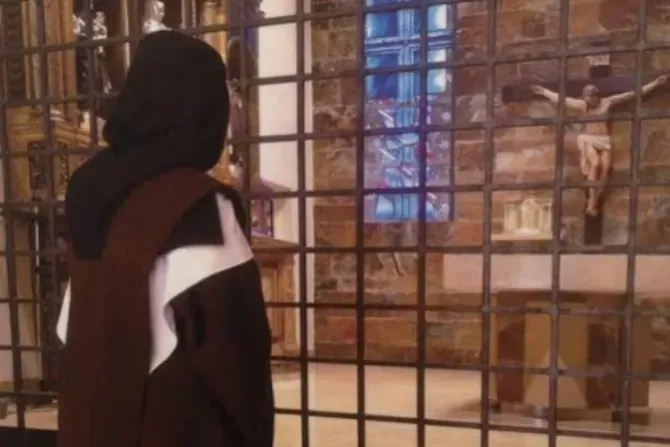
The community of Discalced Carmelites of San José monastery in Lucena in Spain’s Córdoba province, to whom Pope Francis sent several messages because of his friendship with a former prioress, is being forced to leave after the order’s presence of more than 400 years in the city due to lack of vocations.
Mother Mary Magdalene of St. John of the Cross, prioress of the small community, explained in a statement that “with great pain and great sadness, because there are only three nuns left, the scarcity of vocations and being requested by another Carmel in need, we saw that it is God’s will that our mission here had concluded,” reported the Iglesia en Córdoba (The Church in Córdoba), a weekly newspaper of the Spanish diocese.
Thus the 412-year uninterrupted presence of the Discalced Carmelites in the Lucena monastery will end. The nuns arrived there in 1612 from the city of Cabra, where the community was founded in 1603.
According to the newspaper ABC, the death of the former prioress, Mother Adriana of Jesus Crucified, in September 2023 left the community below the minimum number of five nuns. However, the community was granted a special status that had the support of Pope Francis and the bishop of Córdoba, Demetrio Fernández.
With the recent departure of another sister, the future of the community was sealed. The three nuns will soon move to a community located in the Diocese of Salamanca to which they are joined by a “long and close relationship of sisterhood.”
The community’s ties with Pope Francis
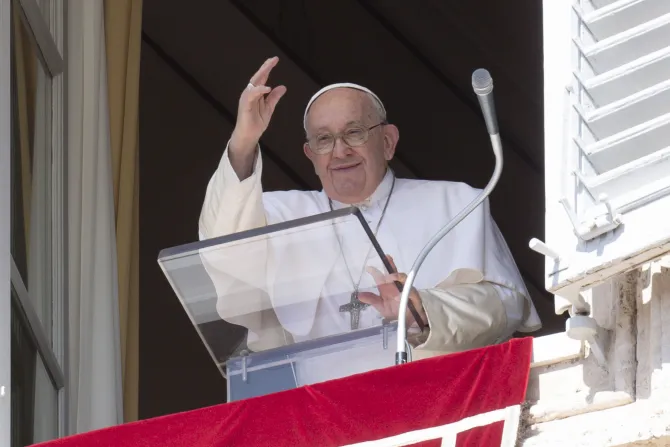
This community of Discalced Carmelites became more known in recent years due to the friendship that their prioress at the time, Mother Adriana of Jesus Crucified, maintained with Pope Francis when he was auxiliary bishop of Buenos Aires. Two other Argentine nuns in the congregation had also known Francis.
On Dec. 31, 2013, the pontiff called the nuns and left a New Year’s message of encouragement, hope, and joy on their answering machine. Hours later, he was finally able to converse with them for 15 minutes.
According to Iglesia en Córdoba, when Mother Adriana’s death was imminent, Pope Francis “comforted the nun in her last moments of life” and, after her passing, “recontacted the monastery to convey condolences to the rest of the community of nuns.”
This story was first published by ACI Prensa, CNA’s Spanish-language news partner. It has been translated and adapted by CNA.