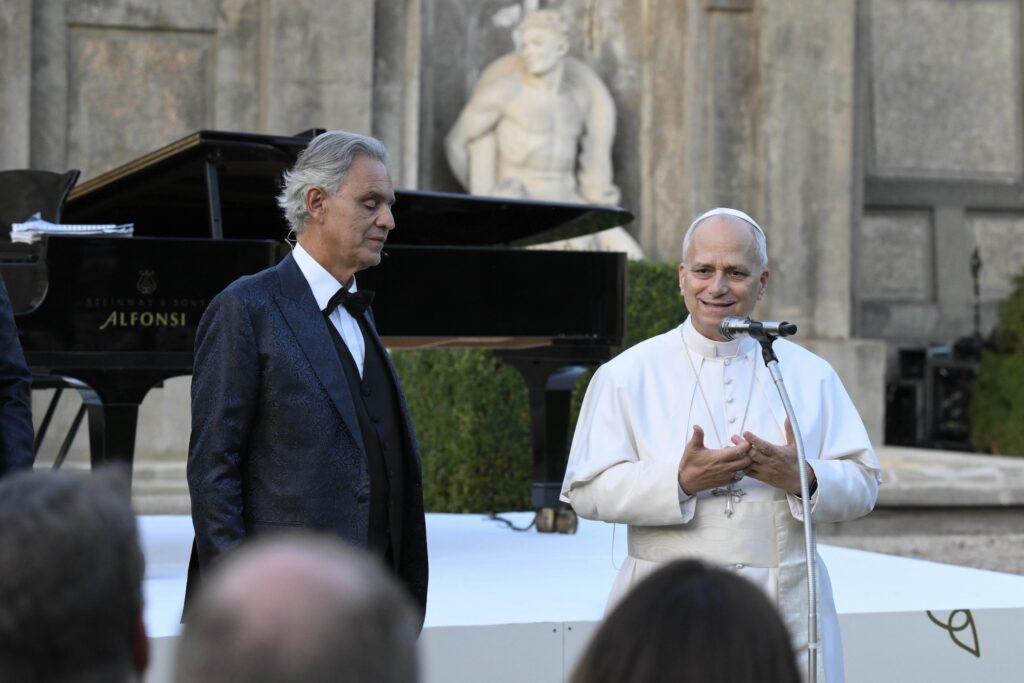
In the evocative context of the papal palace of Castel Gandolfo, the heart of the Catholic Church unites in commemoration of the 80th anniversary of the tragic bombing of the Propaganda Fide College in 1944. The conference, held in memory of the over 500 victims of that dramatic event, was honored by the presence of the president of the Governorate of the Vatican City State, Cardinal Fernando Vérgez Alzaga.
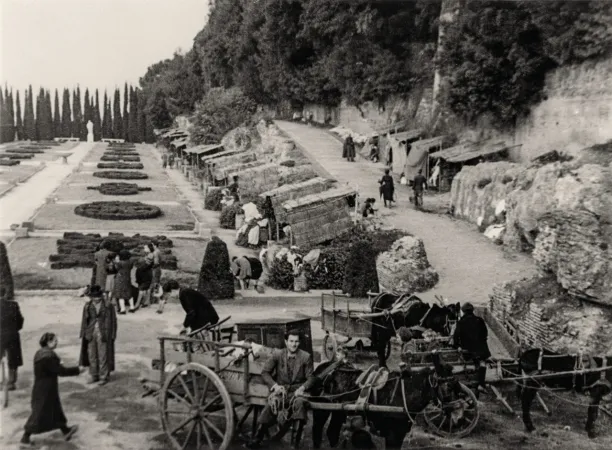
”The history of Castel Gandolfo is steeped in sorrow, destruction, and mourning, but it is also permeated by an unparalleled sense of hope and human solidarity,” explains the Cardinal. During the Second World War, the apostolic palace, known as Villa Barberini, together with the Propaganda Fide College, became a refuge for over 12,000 people fleeing the devastating effects of World War II. However, the protection offered by the Holy See walls was not sufficient to escape the fury of the bombings.
February 10, 1944, will forever remain imprinted in the memory of Castel Gandolfo. At around 9:15 in the morning, American bombers dropped their terrible charges, claiming around 500 innocent victims. This air attack, which transformed hope into sorrow, hit the pontifical villas hard, which had been transformed into an improvised hospital to care for the wounded. Among the victims, there were also 16 cloistered nuns, a symbol of the tragedy that had befallen the place once considered safe.

Pius XII had done his utmost to avoid such a tragedy, offering refuge in the most private rooms of the palace. The Pope’s charity made the birth of 37 children possible in the first month alone. Two of whom were named Pio Eugenio and Eugenio Pio by their parents in honor of the Holy Father. Today, through the exhibition and the symbiotic work of the Vatican Museums, the Pontifical Villas, and the Vatican Apostolic Archives, they intend to keep alive the memory of those dramatic events and the legacy of solidarity left by Pius XII.
The exhibition, curated by Luca Carboni, aims to tell the story of those places, alternating years of war with years of hope. Through archives and unpublished materials, the visitor is offered a unique opportunity to understand the complexity of those dark days. The Peace March, which annually commemorates the victims of the bombing, strongly advocated the creation of this exhibition, which today, on the occasion of the 80th anniversary, finally sees the light.
The pontifical villas of Castel Gandolfo represent not only a place of recovery and refuge during the darkest moments of history but also a tangible symbol of the good brought by human solidarity. Through the exhibition and commemorative initiatives, the intention is not only to honor the memory of the victims but also to remind the whole world of the devastating effects that war can have on humanity, thus encouraging the construction of a future of peace and universal brotherhood.

Access to the exhibition is free and is included in the entrance ticket to the Papal Palace of Castel Gandolfo, which can be visited (with a guide or independently) together with the Papal Palace and the Secret Garden.

On the inaugural day of the exhibition event, the Peace March procession promoted in memory of the tragic event paraded through the streets of the town of Castel Gandolfo and inside the Pontifical Villas themselves, as is customary on February 10 of each year, from the cities of Castel Gandolfo and Albano Laziale together with the History and Memory of the Castelli Romani Association (formerly the Association of Family Victims of the Propaganda Fide bombing).
Translated by Jacob Stein