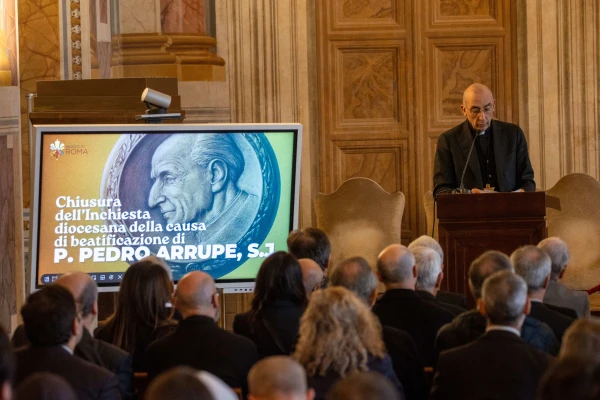
Nov. 14 marked the closing of the diocesan phase of the cause for the beatification of Father Pedro Arrupe, the 28th superior general of the Society of Jesus.
After more than five years of exhaustive research into the life, virtues, and reputation for holiness of the renowned Spanish Jesuit, mentor, and “spiritual father” of Pope Francis, the diocesan phase of the process was concluded at the Lateran Palace in Rome.
Arrupe served as the 28th superior general of the Society of Jesus from 1965 to 1983. In the 1970s, he emphasized social justice as one of the main focal points of Jesuit apostolic work.
Since February 2019, more than 70 witnesses from Spain, Rome, and Japan — where he lived for 27 years as a missionary — have been questioned by the tribunal of the vicariate of Rome.
Arrupe survived the atomic bomb that fell on Hiroshima in 1945 and devoted himself to caring for the injured in a field hospital set up in the novitiate.
Now the documents and minutes collected by the historical commission will be handed over to the Dicastery for the Causes of Saints, which will evaluate a possible miracle attributed to his intercession, a crucial step toward his prospective beatification.
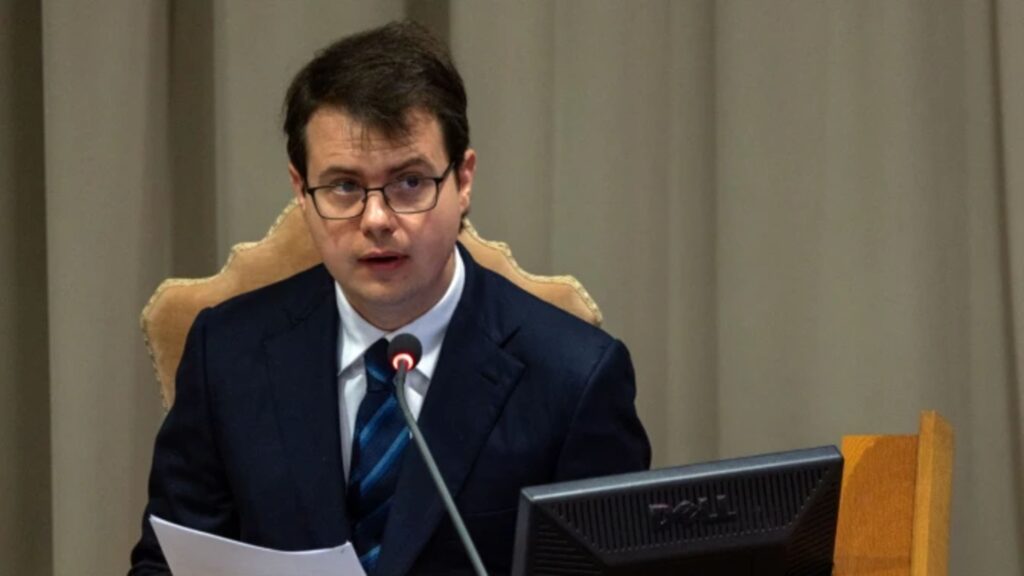
The ceremony, which was held on the day that would have marked the 117th anniversary of Arrupe’s birth, was presided over by Cardinal-elect Baldassare Reina, vicar general of the Diocese of Rome.
Also present at this solemn ceremony were members of the Society of Jesus such as superior general Father Arturo Sosa Abascal and the postulator of the cause, Father Pascual Cebollada, who took an oath to have faithfully fulfilled his mission and emphasized Arrupe’s preference “for the poor and the fight for justice” as a result of his fervent prayer.
Notary Marcello Terramani was also present, as were members of the diocesan tribunal; Monsignor Giuseppe D’Alonzo, episcopal delegate; and Father Giorgio Ciucci, promoter of justice.
Reina praised the Jesuit leader, emphasizing his efforts to put the Second Vatican Council into practice as well as his profound obedience and fidelity to the Church and the popes.
He also highlighted his evangelizing mission and his “preferential option” for the poor and needy, resulting in the Jesuit Refugee Service that he founded in 1980.
Sosa referred to the long hours that Arrupe spent in prayer every day. When the priest was asked where he found the time to do so, he usually replied that “it’s simply a matter of priorities.”
The ceremony held in Rome also reflected on his charism and good relationship with those who didn’t belong to the Catholic Church. Arrupe’s efforts to get laypeople to assume responsibilities were also highlighted, as well as his welcoming nature.
After reviewing the documents from the diocesan phase, the Vatican dicastery will study the possibility of declaring Arrupe “venerable,” a title that Pope Francis can bestow upon him if it is determined that he lived a holy and virtuous life.
If this occurs, the next step would be beatification, which would grant him the title of “blessed.” This requires that at least one miracle be attributed to his intercession. For canonization and for him to be proclaimed a saint, a second miracle must be confirmed.
During his private meeting with priests of the Society of Jesus on his trip to Singapore last September, Pope Francis expressed his desire to have the Spanish Jesuit declared a saint.
This story was first published by ACI Prensa, CNA’s Spanish-language news partner. It has been translated and adapted by CNA.