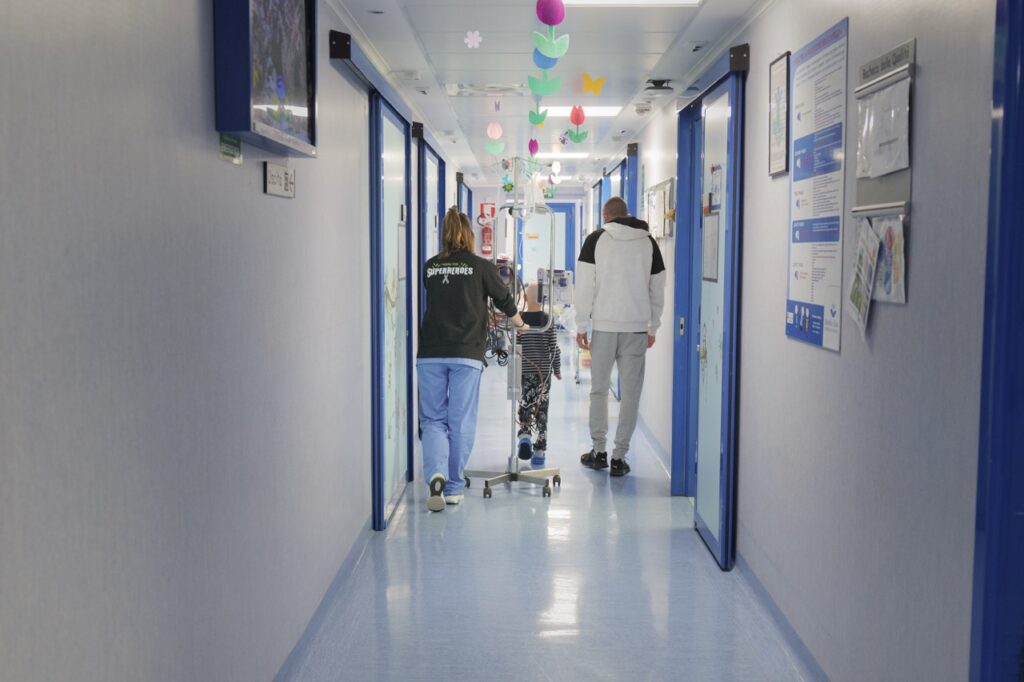
The Bambino Gesù Pediatric Hospital — founded in 1869 — is made up of six facilities located across Rome and the Italian region of Lazio.
After more than 40 years as a research institution, the Vatican-owned children’s hospital, Bambino Gesù, continues to be at the front lines of pediatric medical research as it strives to bring the best possible care to young patients from around the world.
In one of its latest advancements, “the pope’s hospital” unveiled a new Gene Therapy Laboratory in October 2025 to develop new treatments for genetic diseases.
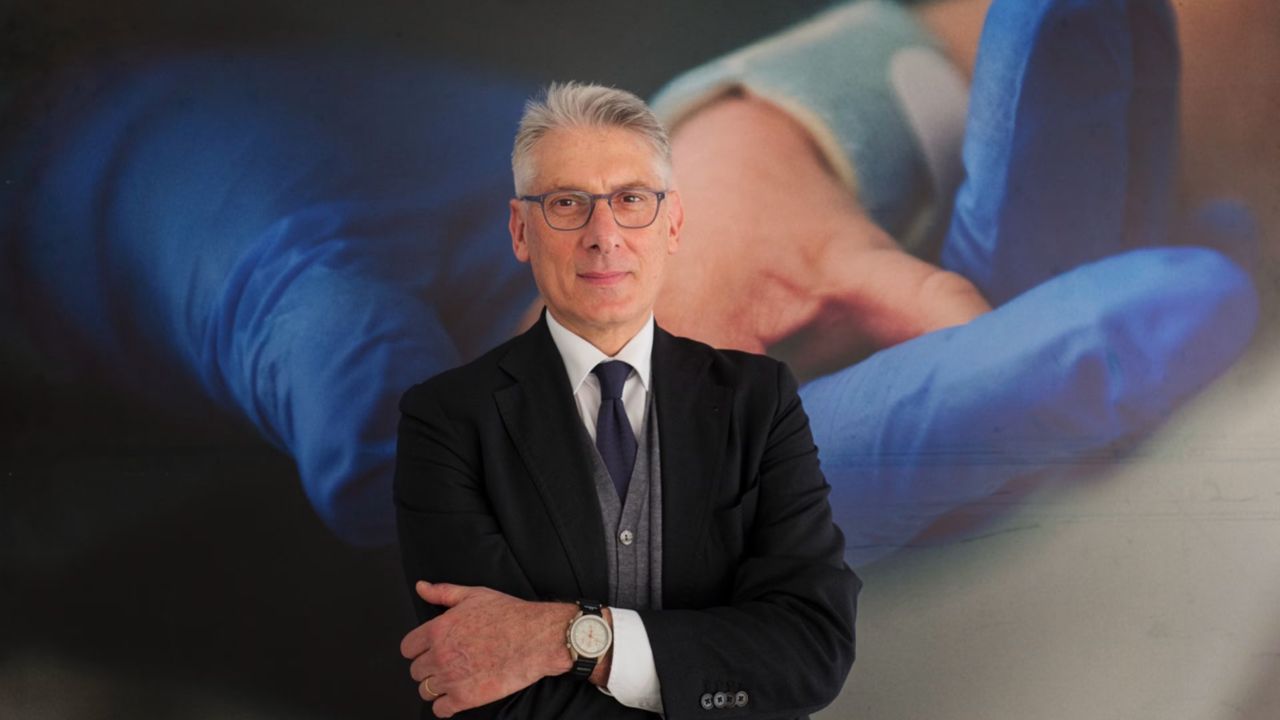
“We must always remain at the forefront of research, not to boast about our achievements, but because we must find the newest treatments that save lives and help children have a future. This is what matters most to us,” hospital president Tiziano Onesti told EWTN News.
“Children must be treated with … the most innovative treatments, and these must be accessible to everyone,” he said. “This is what sets Bambino Gesù apart — the fact that we are truly open to everyone.”
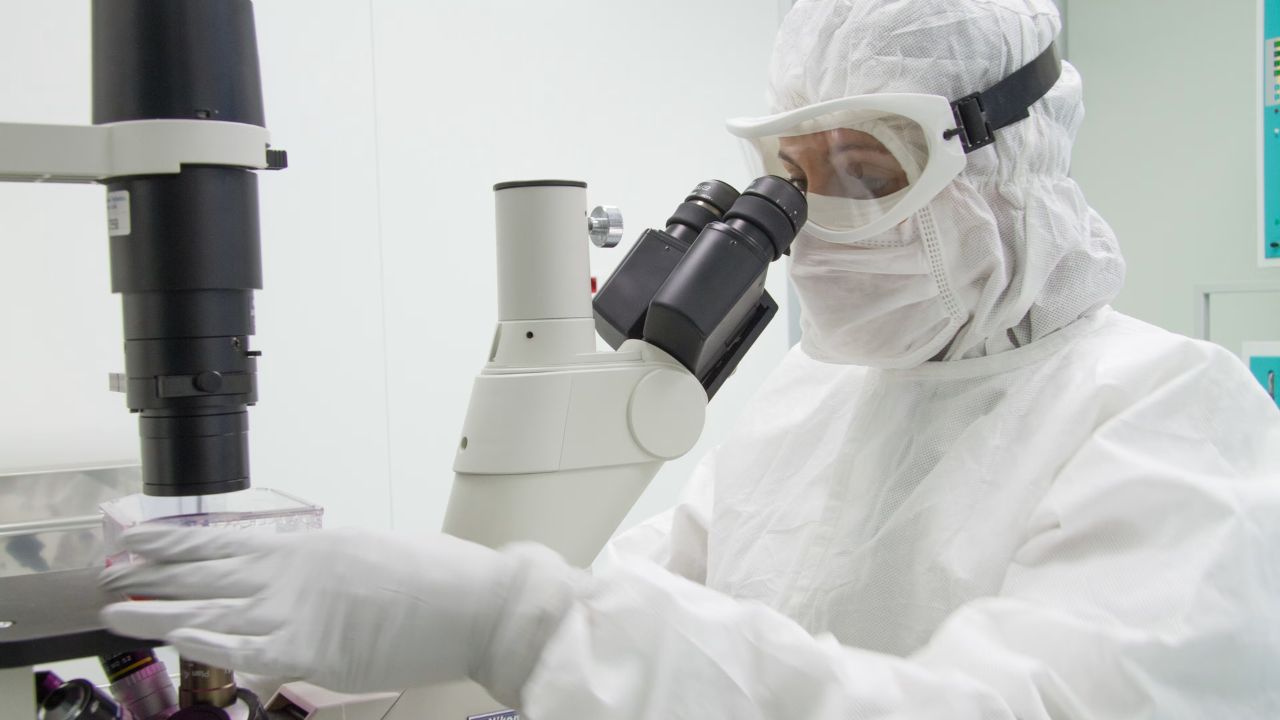
The Bambino Gesù Pediatric Hospital — the largest pediatric hospital and research center in Europe — is made up of six facilities located across Rome and the Italian region of Lazio; it employs around 4,000 personnel — approximately 2,000 of whom are engaged in research.
It’s a private hospital owned by the Holy See that cooperates with the Italian National Health Service to provide medical care to patients cost-free.
“The Bambino Gesù is one of a kind,” Onesti said. “It is precisely this historical combination … that makes it truly unique, because it involves the Holy See, the pope, and the national health service.”
Over 150 years of caring for sick children
The children’s hospital was founded in Rome in 1869 by the Duchess Arabella Fitz James Salviati, inspired by the Hopital des Enfantes Malades in Paris. Religious sisters from the Daughters of Charity of St. Vincent de Paul were the hospital’s first staff.
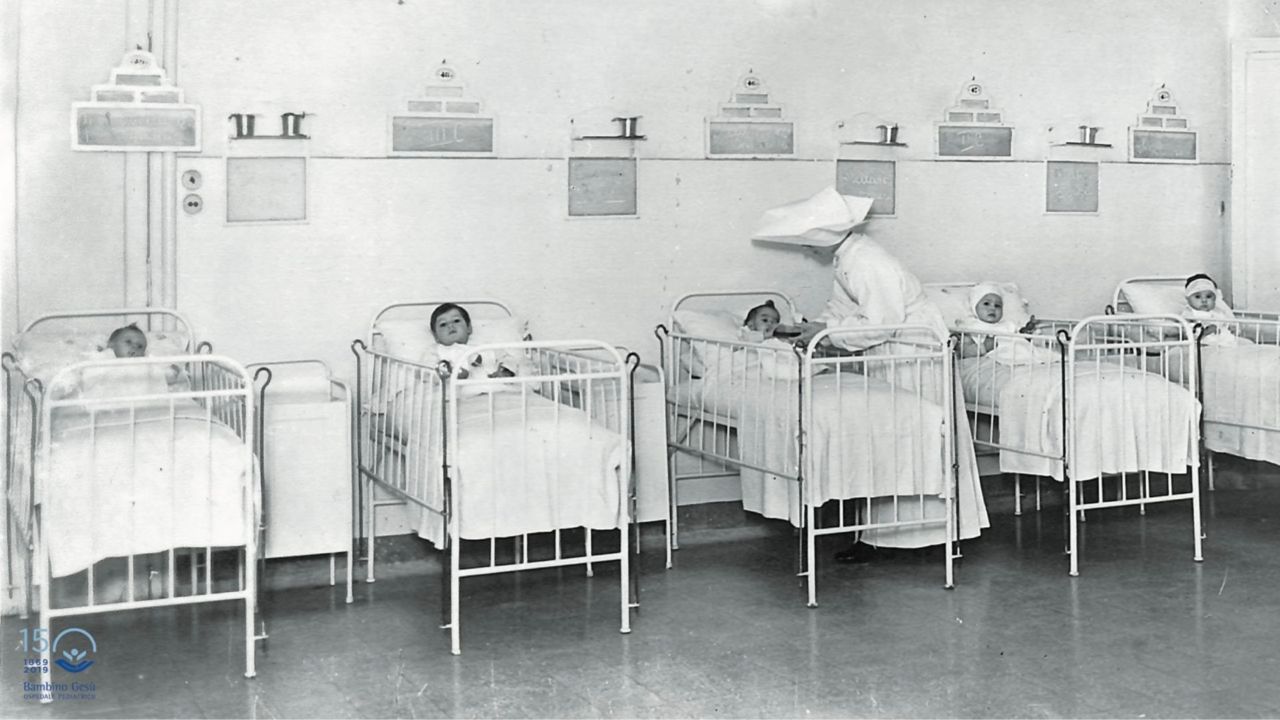
In 1887, the hospital moved from its initial location to the Janiculum Hill, now considered the “historic hospital” and “the beating heart of the Bambino Gesù,” according to its president.
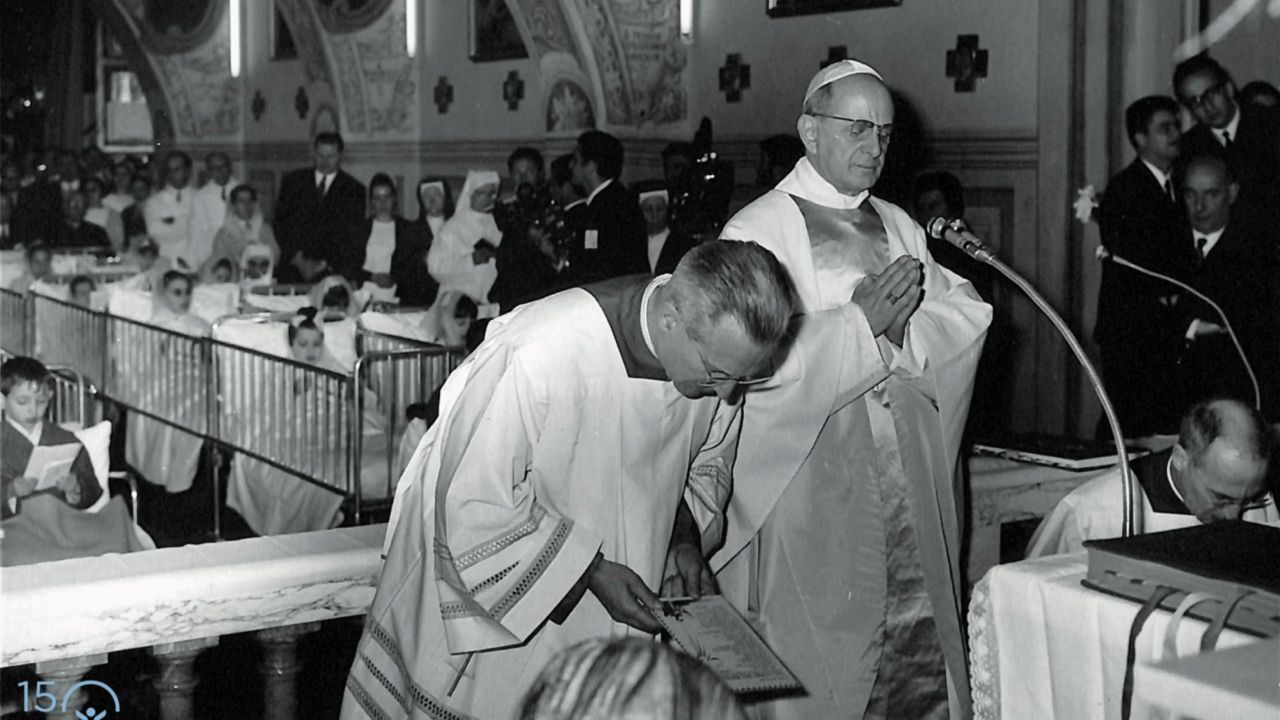
The hospital opened a second facility, still operating today, in the seaside town of Santa Marinella west of Rome in 1922, and in 1924, the Salviati family donated the entire hospital complex to Pope Pius XI and the Holy See.
In 1985, another important milestone was reached when the hospital was recognized as a research institution.
More than 40 years later, Bambino Gesù continues to lead the way in pediatric healthcare research, technology, and care for the most difficult cases.
The hospital’s pediatric palliative care center — the largest in Italy for the number of beds — was inaugurated in 2022.
Thanks to its Robotics and Motion Analysis Laboratory, opened in 2000, and a decade later, the Clinical Trial Center, the hospital developed the world’s first CAR-T cell therapies for pediatric autoimmune diseases in 2024.
At the 7,500-square-foot Gene Therapy Laboratory, inaugurated on Oct. 28, 2025, the most advanced technologies are used for the research and development of genetically modified cell therapies, which are then produced in the adjacent Bambino Gesù Pharmaceutical Workshop, part of the research laboratories inaugurated in 2014 at the hospital’s San Paolo campus.
“That’s where very, very advanced therapies are also being applied” and where “important experiments are being conducted,” Onesti explained.
He also noted that research and innovation are fundamental to their model: “This includes the use of innovative tools such as artificial intelligence, which — objectively speaking — plays a significant role in diagnostics, especially in medical imaging and the interpretation of various test results.”
On July 9, the hospital announced that Bambino Gesù was one of three hospitals involved in the identification of a new rare genetic neurodevelopmental disease.
“The future of Bambino Gesù certainly lies in patient care but also in research that leads to better care,” the president said.
‘A great willingness to listen’
Onesti explained that the Bambino Gesù Hospital has always had the care and protection of vulnerable children as its central mission.
“Unfortunately, the child is helpless, but we try — even in the worst moments — to be there for people,” he said.
A common trait among staff members at all levels, he added, is “a great willingness to listen.”
“Knowing how to listen — or, let’s say, to truly understand the problem the child and, above all, the family are currently facing — is what allows us to make a difference. That’s what sets us apart … In the face of anguish, anxiety, and the loneliness of suffering, we all spring into action.”
This article was originally published by EWTN News English.