The presentation of Pope Leo XIV’s first encyclical, Magnifica Humanitas, “on safeguarding the human person in the time of artificial intelligence,” was the biggest event of its kind at the Vatican since the release of Pope Francis’ encyclical Laudato Si’in 2015.
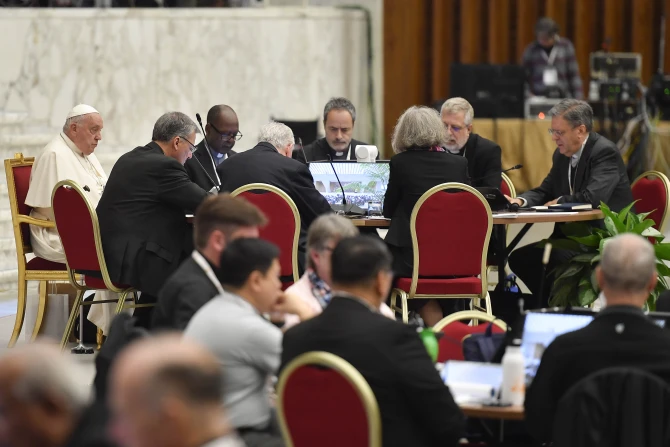
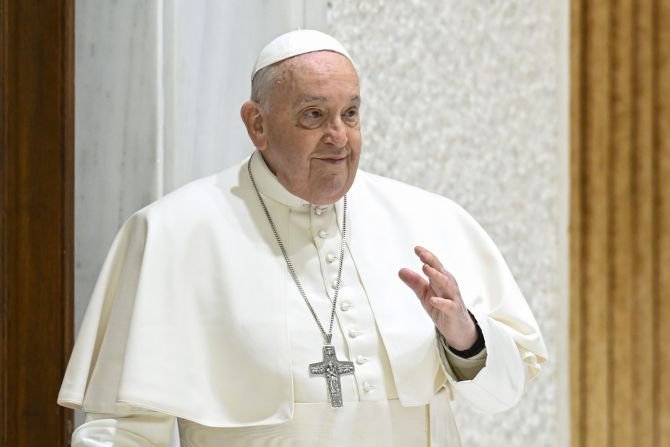
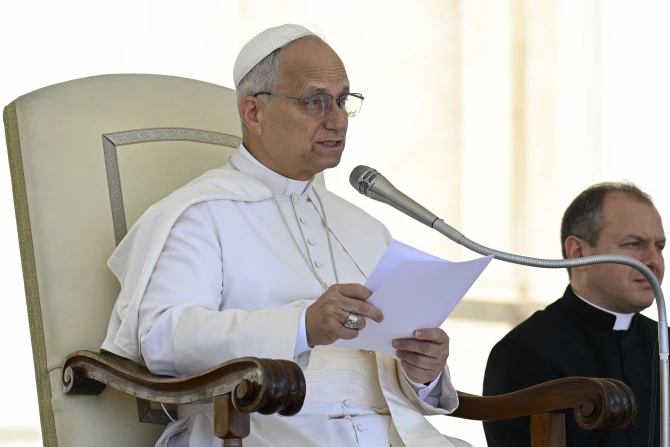
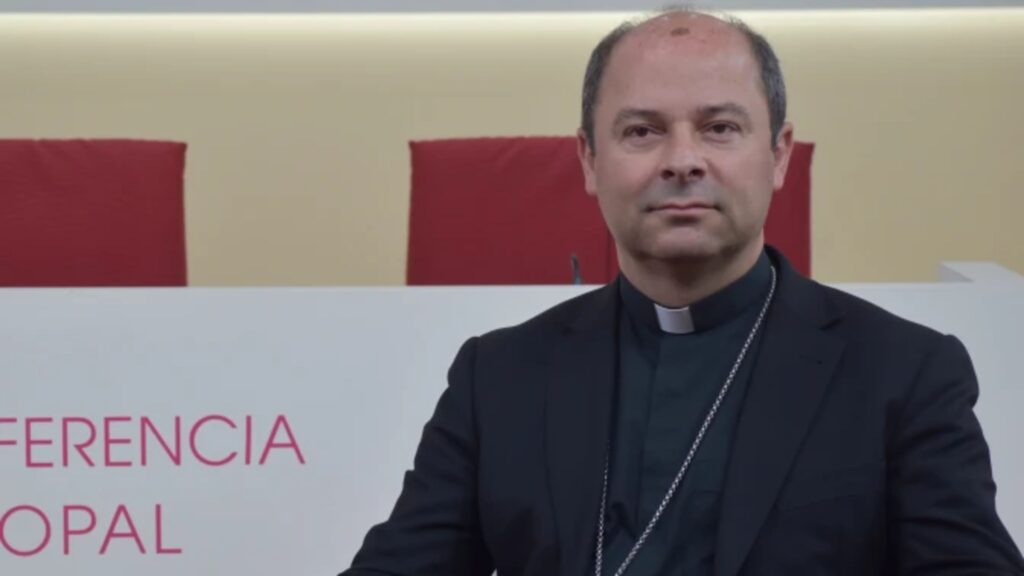
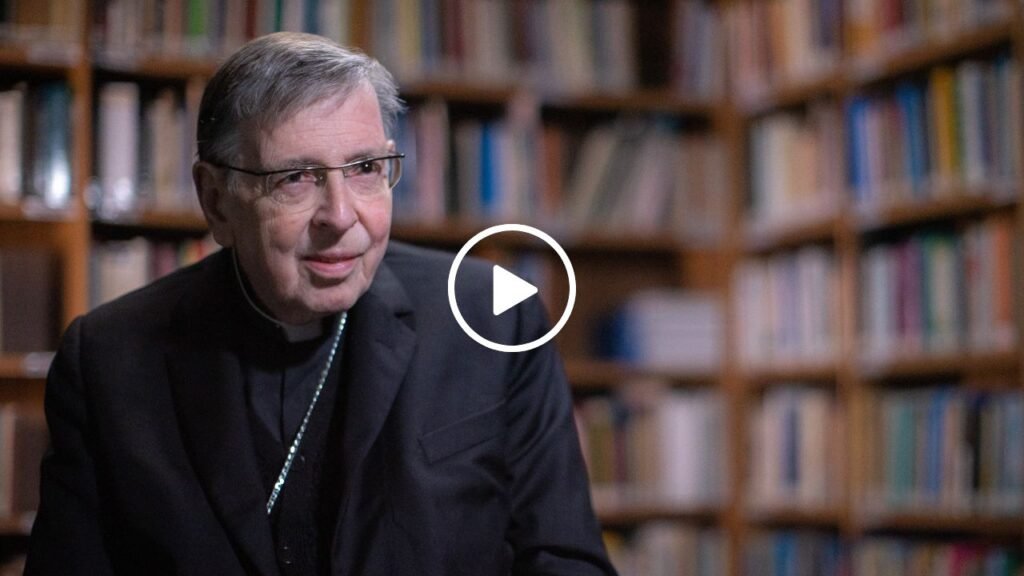
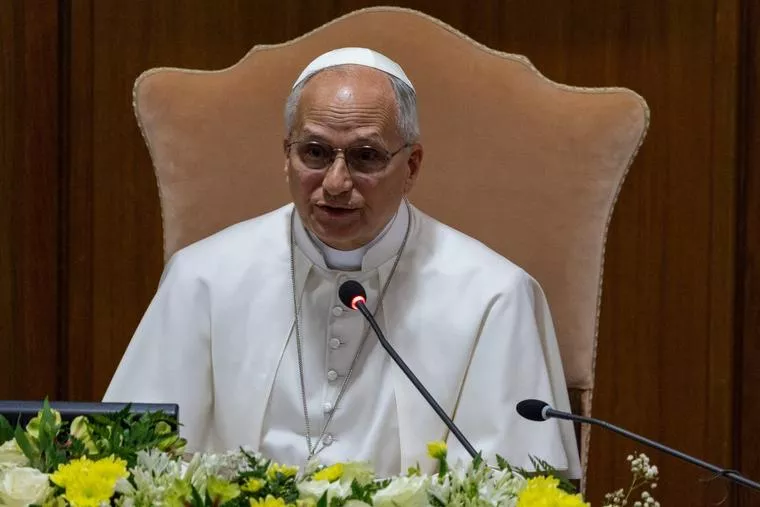
On both occasions, a panel of distinguished clerics and laypeople appeared in the New Synod Hall — the same theater-like setting where cardinals meet in the days preceding a papal conclave — to praise and explain a new papal document. But this year, the roster was even more prestigious, featuring a 10-minute talk by the Pope himself.
The most remarkable part of Leo’s remarks was his special word of thanks to Christopher Olah, a cofounder of the U.S. AI company Anthropic, whose presence had stirred controversy in the preceding days, with some concerned that it might be interpreted as a papal endorsement of the company or the AI industry in general.
Leo said he wanted to “walk together” with the tech executive and pursue dialogue despite their differences. The Pope didn’t specify any of those differences, but a major point of tension between them was clearly over the nature of AI. According to the encyclical, “so-called artificial intelligences … do not know from within what love, work, friendship or responsibility mean. … [T]hey do not judge good and evil, grasp the ultimate meaning of situations, or bear responsibility for consequences. … [T]hey do not understand what they produce, for they lack the affective, relational and spiritual perspective through which human beings grow in wisdom.”
By contrast, Olah told the Pope from the dais, AI systems “are not the cold, calculating robots we were promised,” but more like fictional characters come to life. He said that he and his colleagues who are studying AI models “find structures that mirror results from human neuroscience. We find evidence of introspection. We find internal states that functionally mirror joy, satisfaction, fear, grief and unease.”
It was an extraordinary moment for a Vatican event, especially one involving the Pope, where everyone is normally singing from the same song sheet.
The Pope’s invitation to walk together — which some misheard as “work together,” spawning a joke on social media that Leo would be joining Anthropic as an “angel investor” — was straight out of the vocabulary of synodality, the consultative style of Church governance embraced by Pope Francis, which his successor has pledged to continue. Francis once said that synodality also means “opening doors to those outside the Church,” and Leo’s remarks could mean that he espouses a view at least as expansive, since Olah is widely reported to be an atheist.
The presence of Olah and other non-Catholics didn’t prevent the Pope from giving the assembly his apostolic blessing, which, like his remarks, he delivered entirely in English. Four of the other six members on the presentation panel also spoke in English, in one of the most striking signs yet that the Pope’s mother tongue is finally at home in the Vatican. That might seem only logical under a U.S.-born Pope, especially at an event related to the tech industry, but it amounts to a sea change in the Church’s global headquarters, both for those who work in it and those who cover it as journalists.
Some have asked if the encyclical was originally written in English. One Vatican official told reporters that there was “no original” version — a puzzling statement unless one remembers that such documents typically draw on the contributions of many people of different nationalities. The Latin version is traditionally considered the master text of an encyclical and the touchstone for resolving any questions of interpretation. The choice of a Latin title, Magnifica Humanitas, suggests that will be the case again this time. But as of this writing, the Latin version has not been released.
The presentation of the encyclical was unusual in yet another way, in that most of the audience had only a general idea of the document being presented.
In two decades covering the Vatican, I have never seen a widely expected text kept so tightly under wraps. Even many bishops, who were supposed to get a copy of Magnifica Humanitas before its official release, received nothing in advance beyond brief summaries, including several cartoon-style infographics and a list of suggested responses to likely press questions.
It was a different story in 2015, when a journalist posted a leaked copy of Laudato Si’online three days before the scheduled presentation. That hiccup annoyed other reporters, who were forced to scramble to write their stories with no lead time, but did no discernible damage to the encyclical’s impact. Nevertheless, the Vatican was determined not to allow a repeat. If nothing else, this reflects Leo’s general aversion to leaks, which one of his collaborators tells me the Pope is emphatic about.
Since even before the current pontificate, the Holy See Press Office has been shortening the lead time it gives reporters to see such documents. This time, they were allowed only five and a half hours to read more than 42,000 words and write something thoughtful about them, a steep challenge even with assistance from an AI chatbot.
Fortunately for those reporting primarily for the U.S. market, the launch coincided with Memorial Day, considerably reducing pressure to deliver a full account by 5:30 a.m. Eastern Time, when the publication embargo expired. Only the most devoted Catholics or Vatican watchers were likely to get up at sunrise on a holiday to find out about a papal encyclical — and many of those probably went straight to the Vatican website to read the original.
This article was originally published by NCRegister.