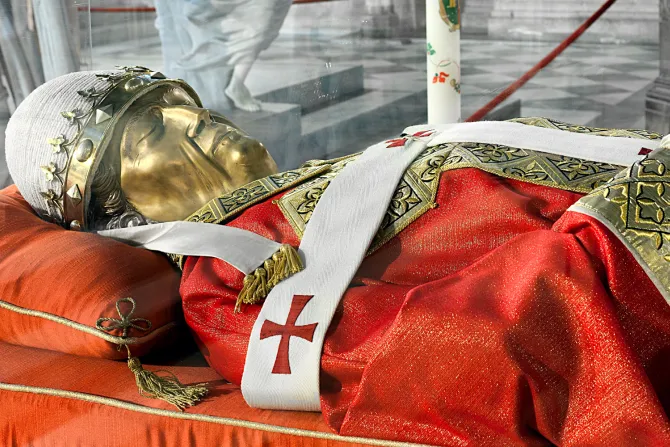
Blessed Pope Gregory X, commemorated on January 10, is remembered for his extraordinary journey from a crusader to the papacy, despite not being a priest at the time of his election. His story reflects the influence of saints and the shaping of Church history.
A Crusader Becomes Pope
Born Teobaldo Visconti in Piacenza, Italy, in 1210, Gregory X’s journey to the papacy was unconventional. Before his papacy, he served as an archdeacon in Lieja, Belgium, and later joined a crusade in the Holy Land as a preacher on the orders of Pope Clement IV. He served as a chaplain to the crusaders in Palestine.
Papal Election Amidst Crisis
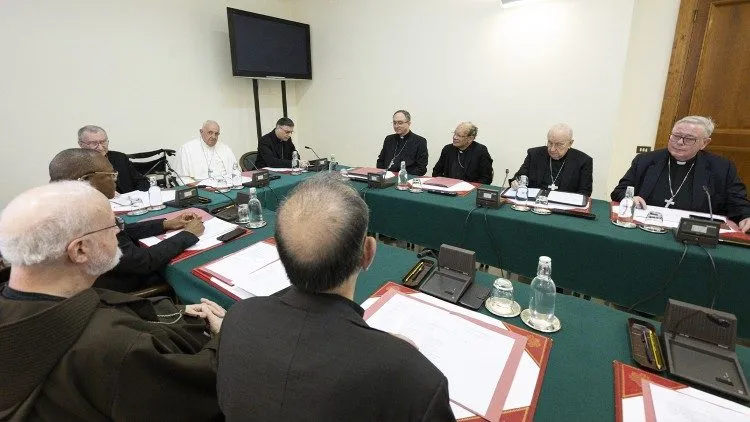
Gregory X’s election came during a challenging period for the Church, following the death of Clement IV. The cardinals, deeply divided, struggled to elect a new pope, leading to a prolonged vacancy. A commission of six cardinals was formed to resolve the impasse. Influenced by St. Bonaventure, they chose the non-cardinal Visconti, recognizing his diplomatic skills and ecclesiastical experience.
A Historic Papacy
Gregory X was ordained and consecrated in quick succession upon his arrival in Rome in March 1272. His papacy is noted for convening an Ecumenical Council in Lyon, France, aiming to unite Eastern and Western Christianity and liberate the Holy Land. The reunion with the Byzantine Church, although short-lived, was a significant achievement.
The Creation of the Conclave
Perhaps Gregory X’s most enduring legacy is the establishment of the papal conclave system. After the prolonged election process that led to his papacy, Gregory X instituted reforms to expedite future papal elections. The Second Council of Lyons decreed that cardinals should convene in isolation after a pope’s death, with strict measures to encourage a swift decision. This marked the beginning of the conclave process, isolating cardinals from external influences and streamlining the election process. The conclave’s name, meaning “with a key,” symbolizes this seclusion.
Modern Conclaves
Today’s conclaves, while similar in structure, have evolved from Gregory X’s initial reforms, no longer involving extreme measures like food and water deprivation. The conclave remains a pivotal mechanism in the Catholic Church, ensuring the solemn and independent election of the pope.
Blessed Pope Gregory X’s life and papacy, from a crusader in the Holy Land to a pivotal figure in the history of the papacy, highlight his unique contributions to the Catholic Church, including the profound reform of the papal election process.