The elevation of Our Lady of Arabia Church in Kuwait to a minor basilica is a historic first for the Arabian Peninsula.
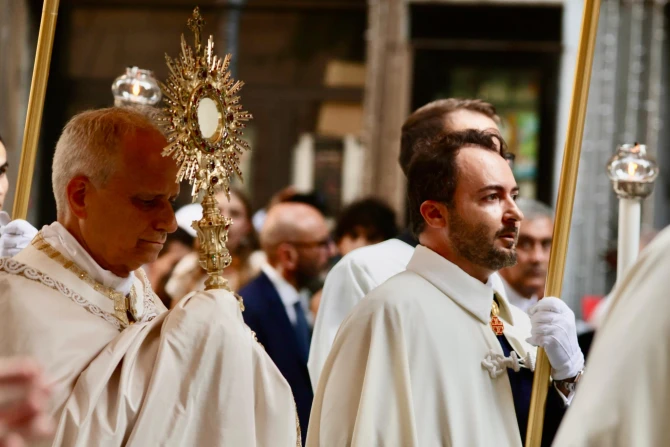
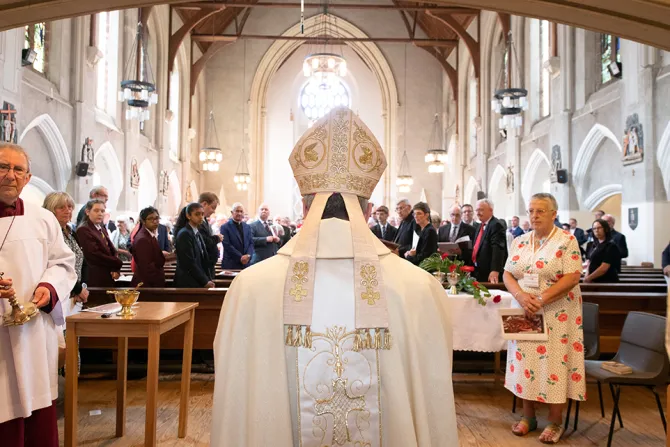
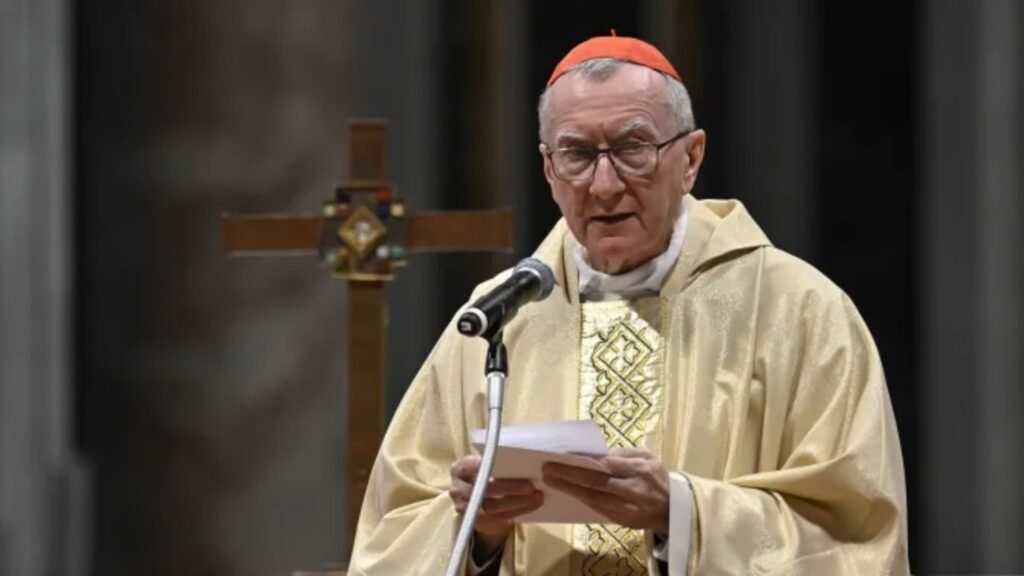
Vatican Secretary of State Cardinal Pietro Parolin arrived in Kuwait on Thursday for a visit of both ecclesial and diplomatic significance and on Friday presided over a ceremony formally proclaiming the Church of Our Lady of Arabia in Ahmadi a minor basilica.
Granting this title to the church underscores closer ties between Kuwait and the Holy See.
The basilica is called to serve as a model of prayer, liturgical life, and ecclesial communion, and to become a pilgrimage destination for Catholics throughout the Gulf region as well as a symbol of dialogue and mutual respect. On designated days, the faithful may also receive a plenary indulgence in the basilica under the conditions established by the Church.
During his stay, Parolin, the Holy See’s chief diplomat, is holding bilateral meetings with Kuwaiti officials aimed at strengthening relations of friendship and cooperation between the Vatican and the Arab country.
Kuwait was the first Gulf state to establish diplomatic relations with the Holy See, in 1968, and it hosts an apostolic nunciature on its territory. Over the years, the country has earned Vatican appreciation for its respect for religious diversity and peaceful coexistence.
‘Mother Church’ of Catholics in the country
In the heart of the Arabian Peninsula, the elevation of this church to the rank of minor basilica marks a new chapter in the history of the Catholic Church.
The decision was announced in a statement issued in June 2025 by the Vatican’s Dicastery for Divine Worship and the Discipline of the Sacraments. This is the first time such a title has been granted to a church in the Arabian Peninsula, highlighting the historical, spiritual, and pastoral importance of Our Lady of Arabia and giving it broader symbolic significance for the faithful of the region.
The church traces its origins to the mid-20th century, when it began on a small plot of land dedicated to foreign workers in the country. Over time, it became a central reference point for the Catholic community in Kuwait.
While construction of the first small church dates back to 1948, the current building was completed in 1957 as a donation from the Kuwait Oil Company.
Since then, the church has welcomed generations of believers from many nationalities, firmly establishing its role as the “mother church” of Catholics in the country.
This story was first published by ACI MENA, EWTN News’ Arabic-language news partner, and has been translated and adapted by EWTN News.