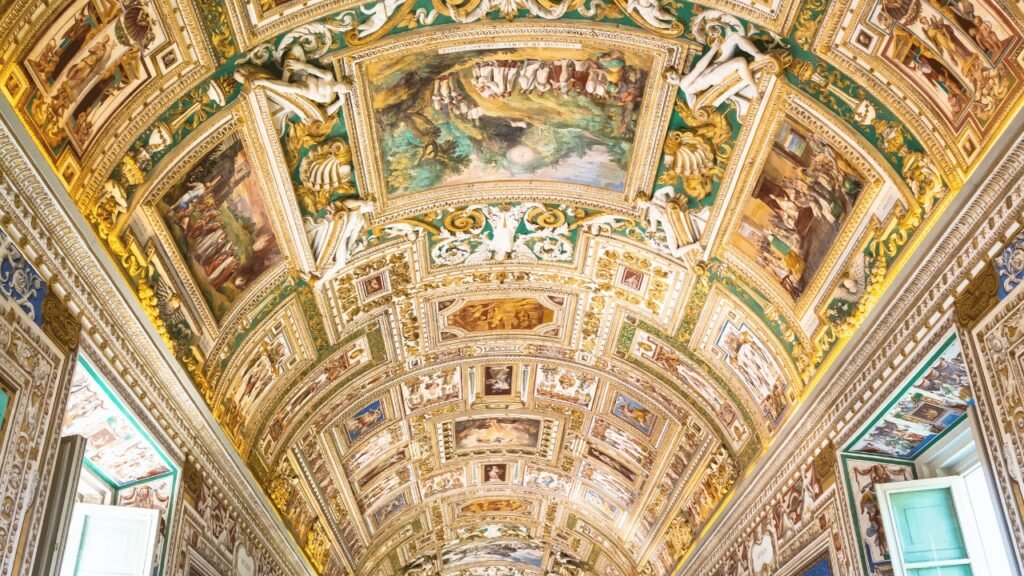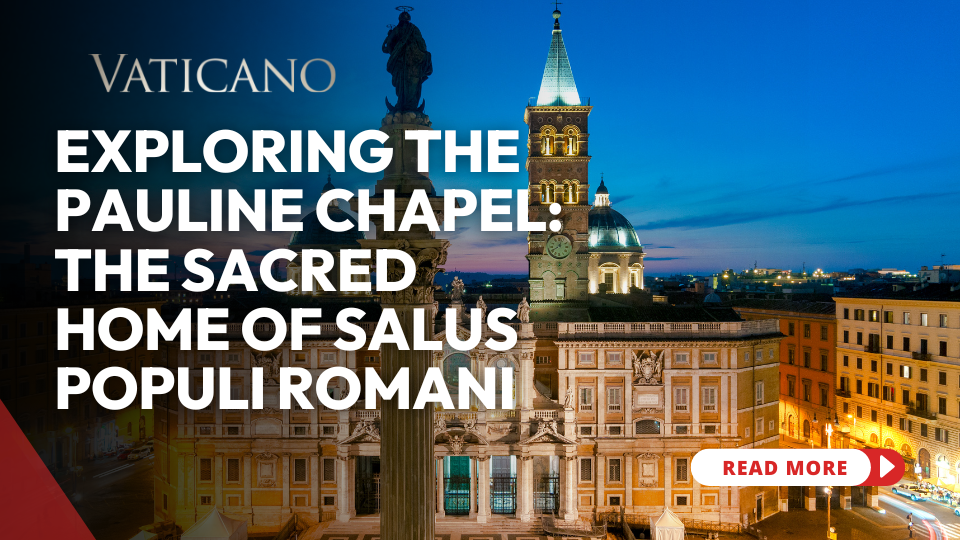
In 1613, Pope Paul V Borghese consecrated this magnificent chapel, located in the left nave of the Basilica of St. Mary Major. Constructed in a span of only five years, the chapel is a testament to the Pope’s profound devotion to Our Lady, Salus Popoli Romani.
EWTN Vatican continues its series with Guido Sante, conservator-restorer of the Basilica of St. Mary Major.
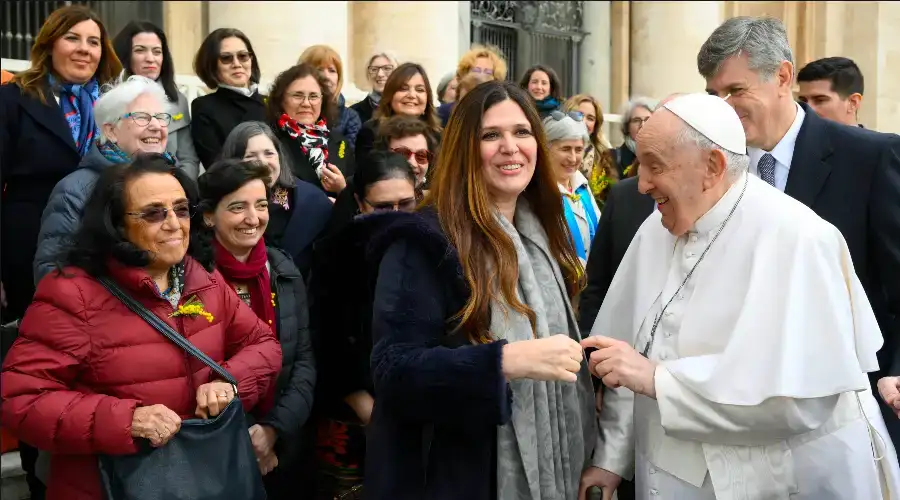
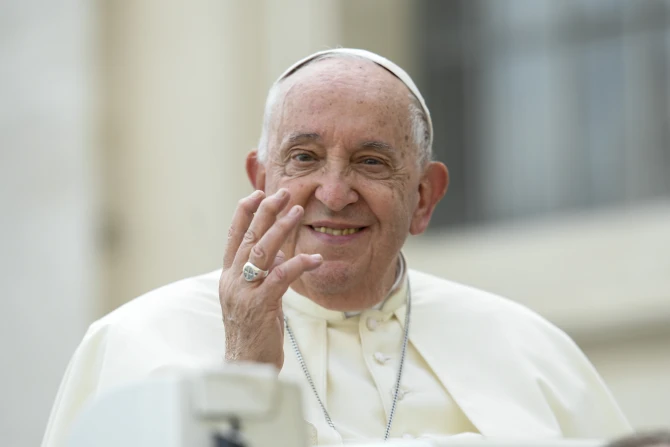
Pope Francis has great devotion to this Marian icon. Sante tells us, “The Pope is extremely devoted to the Marian icon Salus Populi Romani, preserved in the Basilica, which is considered a true relic. The tradition holds that the painting was created by St. Luke the Evangelist, the patron saint of painters.”
Sante explains the provenance of this chapel, a center of Marian devotion in the city of Rome. He says, “Pope Paul V builds a monumental chapel, very similar to the one that Pope Sixtus had built just 20 years earlier. He enlists the help of a series of artists who had already worked in the Sistine Chapel (of St. Mary Major) and who, in the meantime, between the Sistine Chapel and the Pauline Chapel, had worked at St. John Lateran, the cathedral of Rome, and for the Jubilee of 1600.”
According to the expertise of Guido Sante, this chapel, designed by Pietro Bernini, the father of the legendary sculptor Gianlorenzo Bernini, is considered the birthplace of the Baroque style. Gianlorenzo, refining his skills as a young boy, played a significant role in constructing the Pauline Chapel alongside his father.
Guido Sante explains, “In reality, in this chapel, we already find the first examples of what will be Baroque art, which will characterize all the art of the 17th century, first in Italy, then in Europe, and later in South America and the rest of the world.”
He highlights the particular features, saying, “The chapel is perfectly clad in marbles and adorned with large pilasters made of a very precious marble called ‘broccatello di Spagna.’ All the marbles used are extremely expensive.”
Because of the importance of the icon and the immense devotion, Sante explains, “There is no room for thrift; less valuable materials cannot be used because that would not honor the icon, considered the most precious icon in the city of Rome. Salus Populi Romani should be remembered not as the health of the inhabitants of Rome but as the health of the entire Roman Empire, meaning the entire Western world.”
The altar is a precious reliquary crafted from stones and gilded bronze. This opulence is dedicated to Mary and is evident in numerous small details. Typically, elements not visible to the public were left unadorned, but in this unique case in Rome, all the concealed elements are coated in gold.
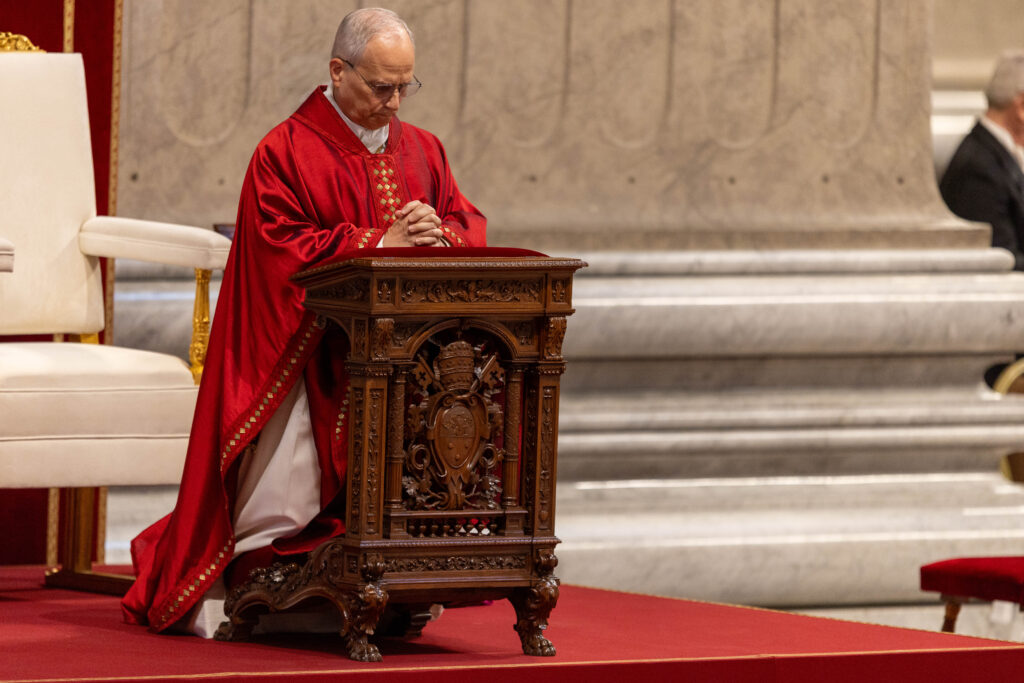
“So precious is the icon,” Sante explains, “that the veneration of this highly significant image led St. Ignatius to celebrate his first Mass here. Pope Francis, for example, is particularly devoted to this image. Pope Francis came here exactly at 7 in the morning on March 14th, the first day of his pontificate, to offer flowers.”
Pope Francis’s devotion to Salus Populi Romani goes beyond that of his predecessors. He adorned the icon with the golden rose, and in a recent interview with Mexican broadcaster Televisa’s N+ streaming service, Pope Francis revealed that he wants to be buried in this Basilica.
Guido Sante compares the basilica to that of the Vatican, detailing the popes buried in St. Mary Major, “Pope Gregory XV, Pope Sixtus, Saint Pius V, Paul V Borghese, Clement XI. From this point of view Saint Mary Major is a kind of a small Vatican, precisely because many Popes devoted to Mary wanted to be buried here and not at St. Peter’s.”
Pope Paul V not only wanted to be buried here but like Pope Nicholas IV, decided to reside in this basilica and established his study in the sacristy. During his papacy, he faced renewed religious tensions between Catholics and Protestants in Germany, which ultimately led to the outbreak of the Thirty Years’ War in 1618. His response went beyond financial support for the Catholic League; he also took a cultural approach, defending Catholic doctrine through the promotion of art.
Sante explains, “The true message of the entire chapel is in the fresco at the top, in the lunette painted by Cavalier D’Arpino, who was at that time the most important painter alive in Rome. In that image, in that fresco, Saint Gregory Thaumaturgus is depicted showing Mary the text he wrote against heresies in the fifth century. Pope Paul V precisely chooses this theme of Saint Gregory Thaumaturgus and his text against heresies in the Middle East to create a cultural and theological connection between the old and new heresies, namely those of Luther, which in those years had created so much confusion in the Western Christian Church.”
The Basilica of St. Mary Major stands as a living testimony to early Christian faith, embodying the Council of Ephesus and devotion to the Mother of God, and witnessing miracles. It holds physical evidence of Jesus’ humble birth, early depictions of Our Lady, and the resting place of St. Jerome, a Doctor of the Church.
The basilica is a significant site for the Council of Trent and a showcase of fine arts by Michelangelo, Bernini, and Baroque pioneers. This is why the Basilica of St. Mary Major is beloved in Pope Francis’s heart, and Our Lady Salus Populi Romani serves as his spiritual compass.
Adapted by Jacob Stein