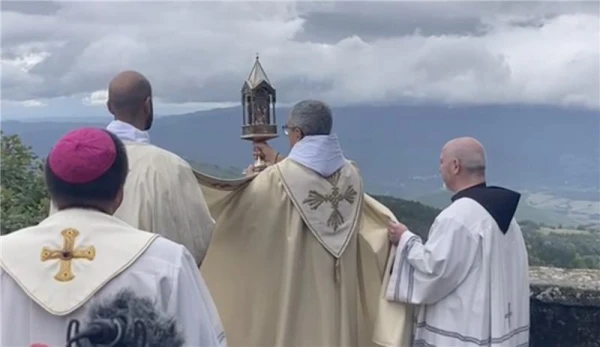
On Sept. 17, overlooking Tuscany’s Casentino Valley in Italy, Father Massimo Fusarelli, Minister General of the Franciscan Friars Minor and the 121st successor of St. Francis of Assisi, blessed the world with relics of the blood from the stigmata of St. Francis.
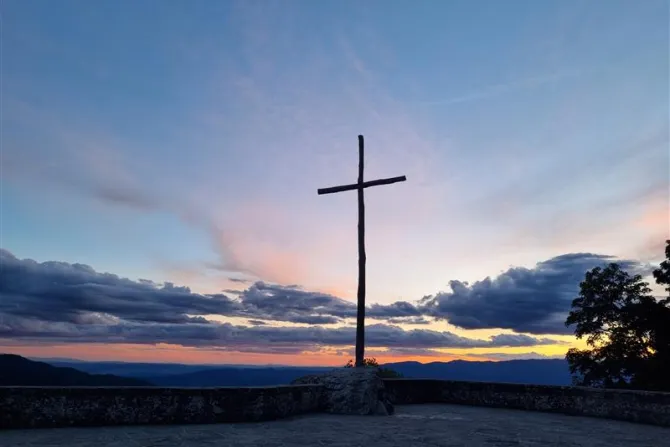
The moment marked the conclusion of the 800th anniversary of St. Francis receiving the stigmata on this very spot on Sept. 17, 1224. After this profound experience, St. Francis, the first documented saint to receive the stigmata, wrote his Canticle of the Creatures while contemplating the natural beauty of this sacred place.
Located in the Casentino Forests of Tuscany, La Verna is where St. Francis received the stigmata —some or all of the physical marks of Christ’s crucifixion — during a time of deep prayer and contemplation.
Brother Matteo Brena, Secretary for the 800th Anniversary Celebrations, highlighted the spiritual significance of the site and told EWTN News that “La Verna was a natural, untouched place in St. Francis’ time, and it was here, in silence and solitude, that he came to reflect on the mystery of the cross.”
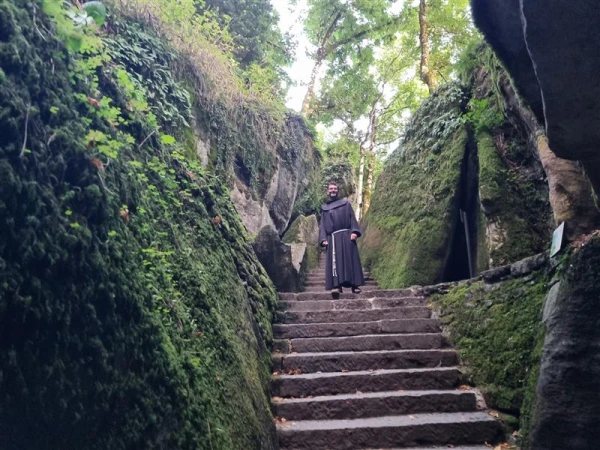
Brother Matteo explained that the natural features of the mountain, such as its rugged cliffs and splits in the rock, are believed to have formed at the moment of Christ’s death, symbolizing the earth’s participation in the Passion. St. Francis, deeply moved by the connection between nature and Christ’s suffering, spent extended periods in prayer on the mountain, leading to the moment when he received the stigmata.
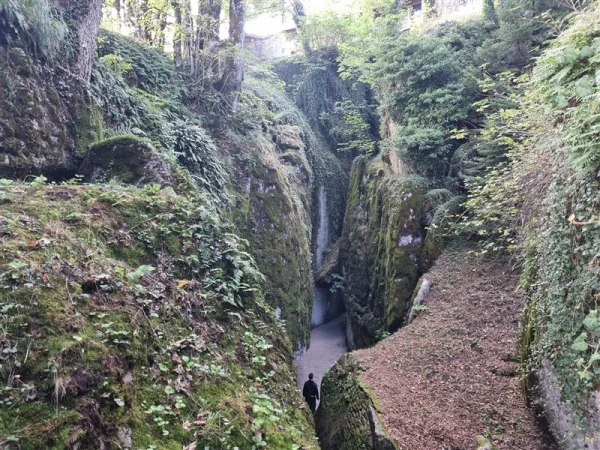
The commemoration of the stigmata of St. Francis was marked by various spiritual events, including vigils, prayer services, and pastoral activities. The night before the final celebration, a pilgrimage took place involving a two-hour walk up the mountains in prayer, song, and reflection.
The pilgrimage culminated in a vigil held at the sanctuary, where 200 young people gathered in prayer, led by Fusarelli. The vigil continued until dawn, offering the young people an opportunity to reflect on the wounds of Christ, seek spiritual renewal, and receive healing through confession, as they welcomed the first rays of the day — the day on which St. Francis received the stigmata.
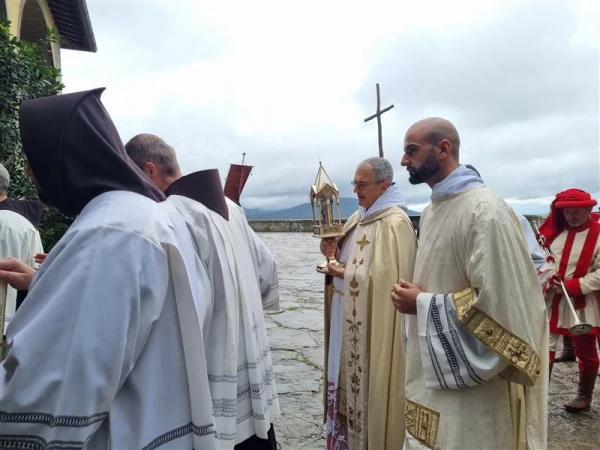
The culmination of the anniversary celebrations occurred on September 17, with a procession from the Basilica to the Chapel of the Stigmata. As is tradition, the faithful followed the path taken by St. Francis to the site where he received the wounds of Christ. At the chapel, the pilgrims prayed Pope Francis’ prayer, invoking God’s grace and mercy for all those suffering in the world today.
Fusarelli reflected on the significance of the stigmata for the Franciscan community.
“For us Franciscans, the stigmata are both a seal and a new beginning. They are a reminder that at the heart of Francis’ life, and our lives, is Jesus Christ above all else,” he said.
St. Francis, through his intense devotion to Christ, was marked with the wounds of the crucified Jesus, a grace few have received in the history of the Church. These physical marks symbolized St. Francis’ profound union with Christ’s suffering and his deep humility. Brother Matteo emphasized that the stigmata are “a sign that a life spent for the Gospel, even in suffering, bears fruit.”
Hundreds of faithful, along with the bishops of Florence and Franciscan brothers and sisters, gathered for the occasion. Pilgrims came from places as far as Indonesia, Burundi, South Africa, and the United States.
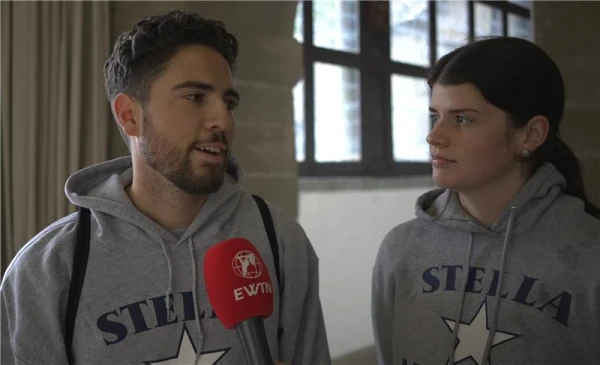
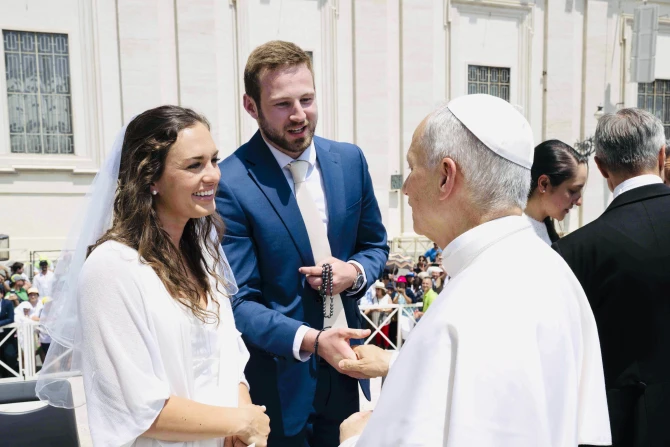
Among the many pilgrims were Marilyn and Peter Salibi from Ohio, who chose to spend their honeymoon at La Verna. Married just two days earlier on the Feast of the Exaltation of the Cross, they came to seek healing.
“We’re here for the healing of our families, for our marriage, and for a holy life together,” Peter shared, adding that they were also praying for Marilyn’s recovery from Bell’s palsy, diagnosed just before their wedding.
For Marilyn, St. Francis has always held a special place in her heart. She grew close to the saint during her time at a Franciscan college, while Peter’s devotion was rooted in a San Damiano cross his godmother had given him.
When Peter shared the significance of his last name, which means “of the cross” in Arabic, Marilyn added that when she once considered becoming a religious sister after spending eight years in a community, she had asked for her name to include “of the cross.” Although she was not called to religious life, meeting Peter felt like the fulfillment of that desire, as she now carries the name “of the cross” through their marriage.
Reflecting on their experience together, Peter said, “Marriage is full of beauty and joy, but also sacrifice. It’s about bearing the cross together, for each other and for Christ.”
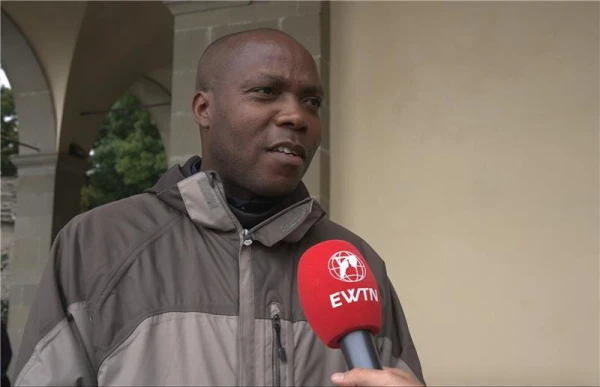
Brother Benoit from Burundi, a Franciscan studying in Rome, was also among the pilgrims. “For me, being here is something special,” he said. “What happened 800 years ago feels divine, not human. The way we celebrated it touched many people, including me. It shows that the Gospel way of life St. Francis lived is still possible today.”
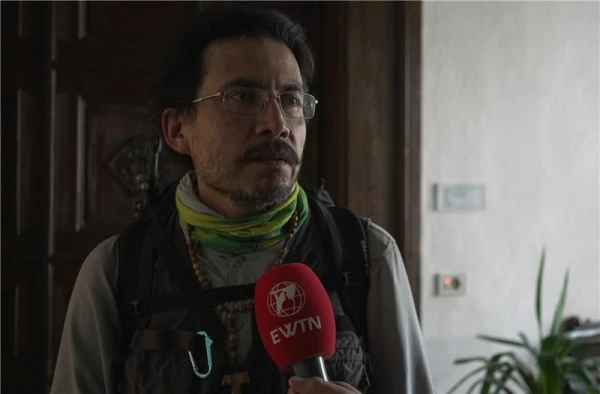
Raul from Mexico, walked 200 kilometers from Lausanne, Switzerland, to La Verna on foot. His journey took over 50 days, during which he faced many challenges, including physical exhaustion and wounds from the long trek. “It’s a once-in-a-lifetime opportunity to start fresh and be a new person,” Raul shared. “Every day I woke up with strength to continue, despite my wounds. I received much more than I expected.”
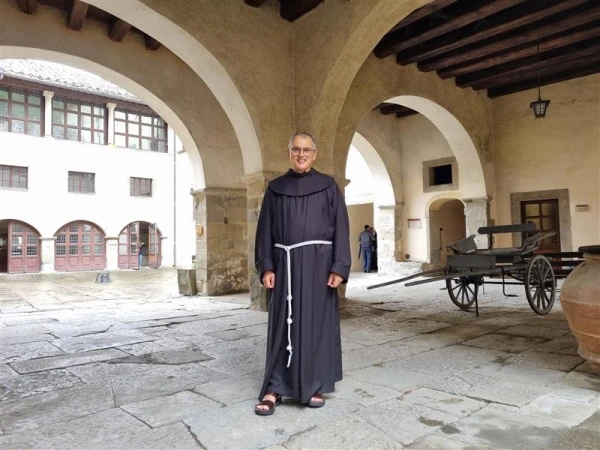
Fusarelli also spoke about the current suffering in the Holy Land, a place long connected to Franciscan history.
“Today, in the Holy Land, we witness ongoing violence and division,” he said. “Yet, we as Franciscans remain present there, committed to the power of prayer and peace, even when it seems hopeless.” He recounted his recent visit to Bethlehem and Jerusalem, where he saw firsthand the effects of war and conflict. “The silence in these places is profound, signaling the deep pain within the people. But we must continue to pray for peace, not only in the Holy Land but in every place where violence persists.”
The friar encouraged Christians to be “instruments of peace,” following the example of St. Francis, who traveled to the Holy Land during the Crusades to seek dialogue and reconciliation. “Even when peace seems impossible, we must continue to be a voice for peace,” he urged.
La Verna is a pilgrimage site for those seeking a deeper connection with God. “This is where Franciscanism was born, and where Christianity was reborn,” said Brother Matteo. Pilgrims are drawn to the mountain’s quiet beauty, its historical significance, and the opportunity to reflect on the mystery of Christ’s Passion.
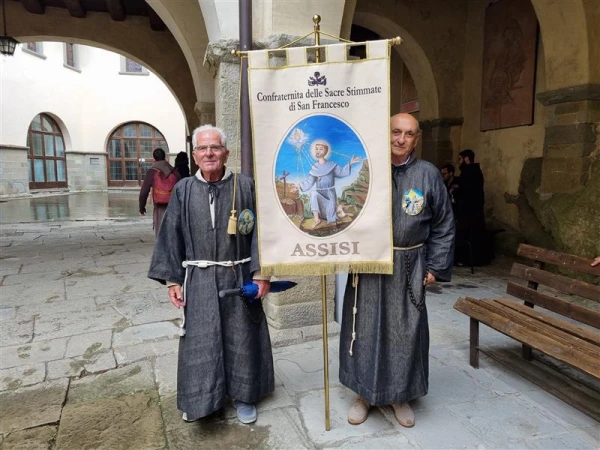
Though the anniversary celebrations have concluded, the spiritual journey continues for the faithful. The Holy Door at La Verna, opened for the jubilee year, will remain open until December 31, 2024, granting pilgrims a special plenary indulgence.
Highlights of the 800th Anniversary Celebration at La Verna can be viewed in the following “EWTN News Nightly” segment:
Anthony Johnson contributed to this report.
This article was originally published on Catholic News Agency.