The Pontifical Ecclesiastical Academy in Rome was founded in 1701 as a training ground for the popeʼs ambassadors.
The Pontifical Ecclesiastical Academy, the school in Rome that trains young priests to serve as ambassadors for the pope, is celebrating the 325th anniversary of its founding this year.
Located at Romeʼs Piazza della Minerva and established in its current form in 1850, the academy is a crucial part of the Holy Seeʼs worldwide diplomatic mission and among the oldest institutions of its kind.
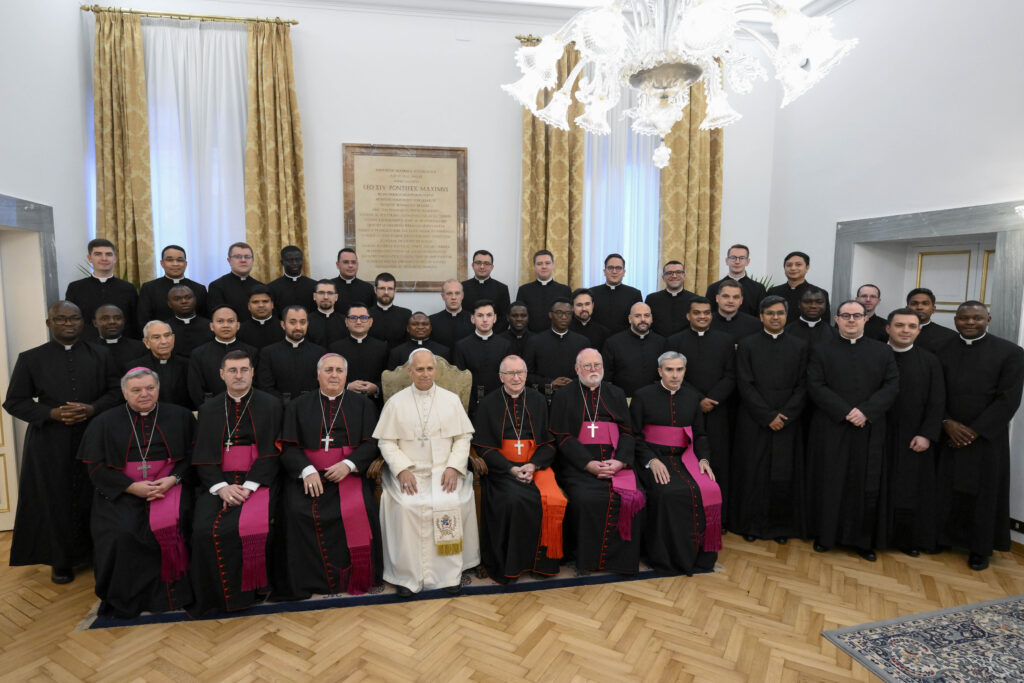
Pope Leo XIV marked the anniversary with a visit to the academy on April 27, reminding the community of its primary responsibility as shepherds and of the mission “to bear witness to the truth that is Christ, bringing his message to the forum of nations.”
The academy has trained apostolic nuncios — representatives of the pope and the Holy See to other countries — since 1701. It was founded by Pope Clement XI, initially to train the sons of noble families and later to train diocesan priests for diplomatic service on behalf of the papacy.
An important but often misunderstood service
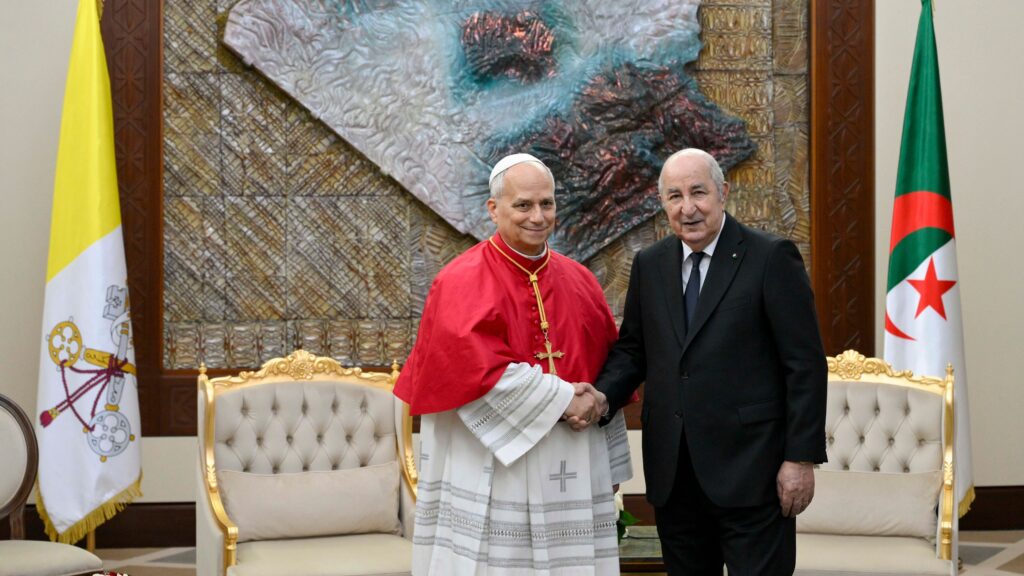
The academy has produced more than 2,000 Church diplomats since its founding in 1701 and has many notable alumni, including five popes, among them Leo XIII and St. Paul VI. Its roster of graduates also includes eight Vatican secretaries of state, the latest being Cardinal Pietro Parolin.
Archbishop Salvatore Pennacchio, president of the Pontifical Ecclesiastical Academy, reflected on the institutionʼs importance with EWTN News. He explained that while the academy is not well known among ordinary Catholics, it is highly relevant to the life of the universal Church.
“Certainly, the academy seems a somewhat obscure and closed place, but in fact it is open to the world,” Pennacchio told EWTN News. “Naturally, we do not put ourselves in the newspapers, but I remember these words of Paul VI: ‘an invisible, silent, misunderstood work.’”
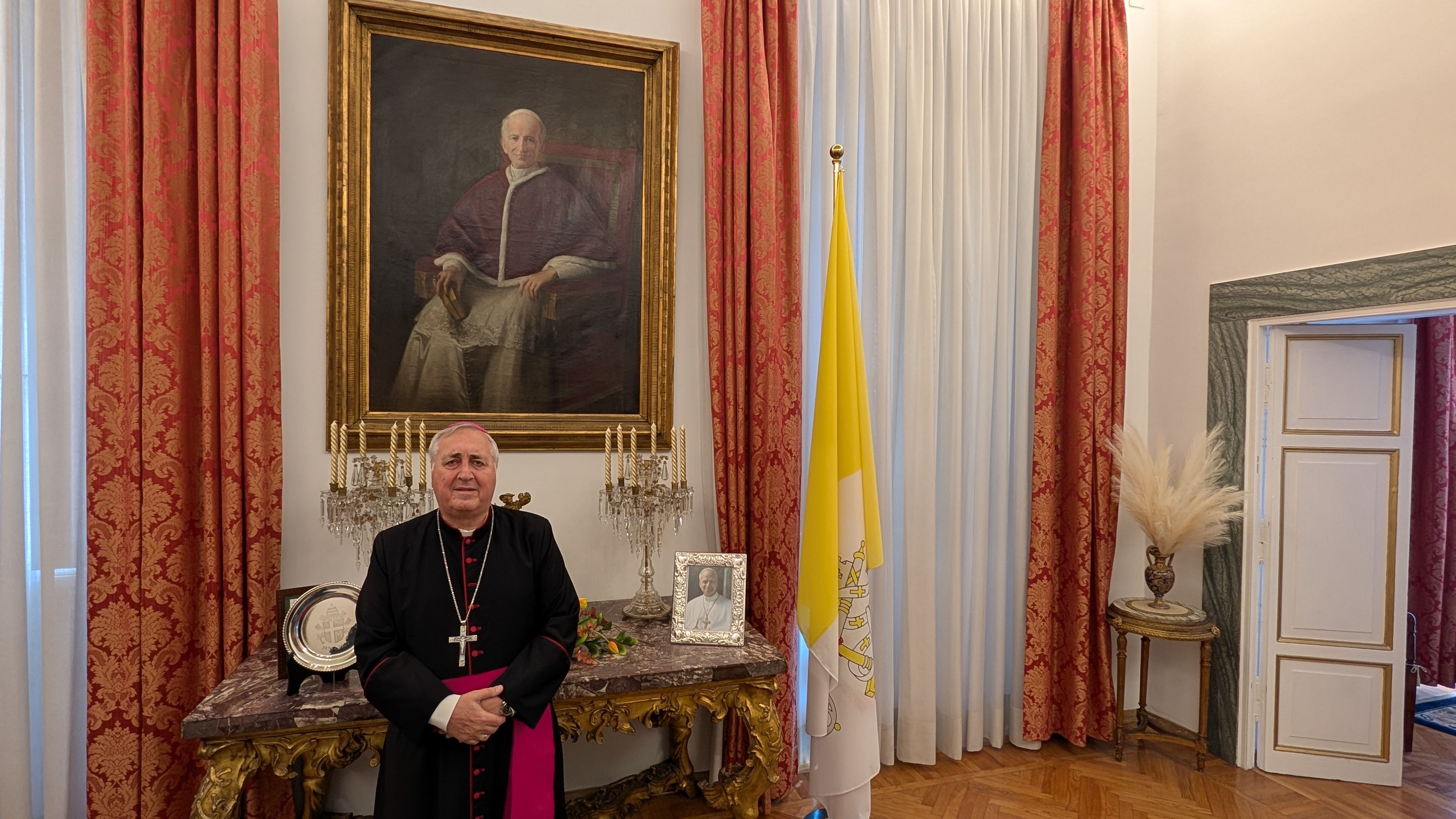
Archbishop Salvatore Pennacchio, president of the Pontifical Ecclesiastical Academy, at the grounds of the academy in Rome on May 22, 2026. | Credit: Ishmael Adibuah/EWTN News
That work involves helping to maintain the Holy Seeʼs diplomatic relations with 183 countries. At times, it is delicate, ranging from negotiating with hostile governments to providing aid during natural disasters.
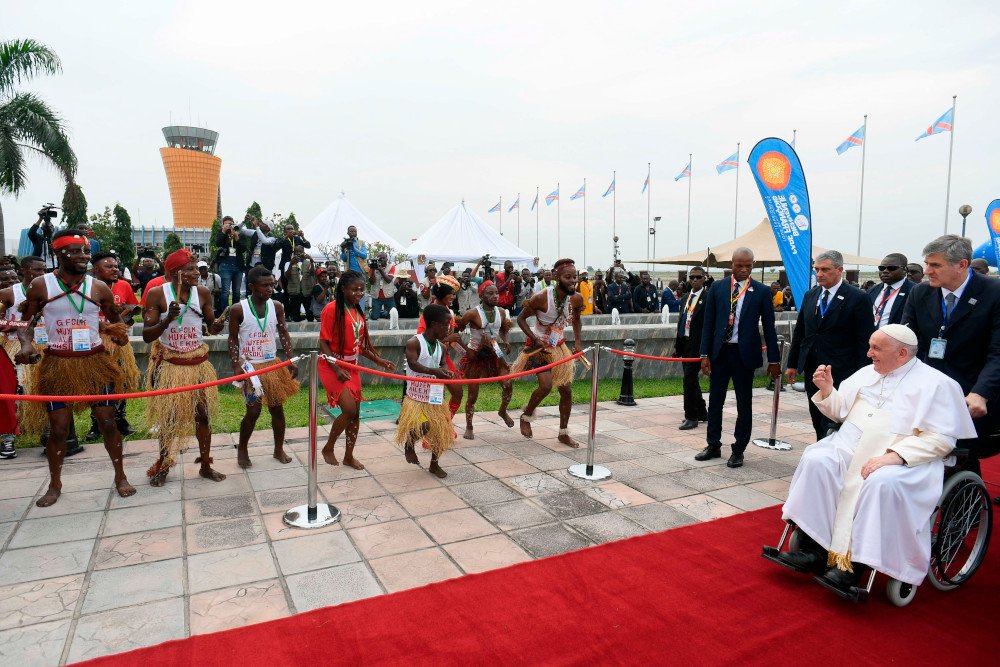
Pennacchio himself served for 44 years as an apostolic nuncio and explained that alumni who become papal diplomats in these countries help bring the pope closer to areas he cannot go in person.
“In my years as an apostolic nuncio, I served in post-genocide Rwanda and later in Thailand, where I oversaw six other Southeast Asian countries and made over 200 pastoral trips in seven years. A crucial aspect of the nuncioʼs role is representing the Holy Fatherʼs solidarity in places he cannot personally reach, providing both spiritual encouragement and material aid by mobilizing organizations like Caritas during natural disasters and conflicts,” Pennacchio said.
Academic, spiritual, and pastoral formation
Currently, 37 priests from 28 countries are in formation at the academy to become papal diplomats. Pennacchio explained to EWTN News that there are three aspects of formation for the future ambassadors of the pope.
“The first level is the academic-intellectual level. Each priest has a specific path, so they also receive training in canon law. Furthermore, they take language courses. At a minimum, they learn at least two other languages and must learn Italian because it is somewhat the language of communication of the Curia.”
“The second level is the spiritual aspect. There are priests here who already have experience as priests in their parishes or in other countries, with at least two years of pastoral life. In the period that we are together, we live as a community.”
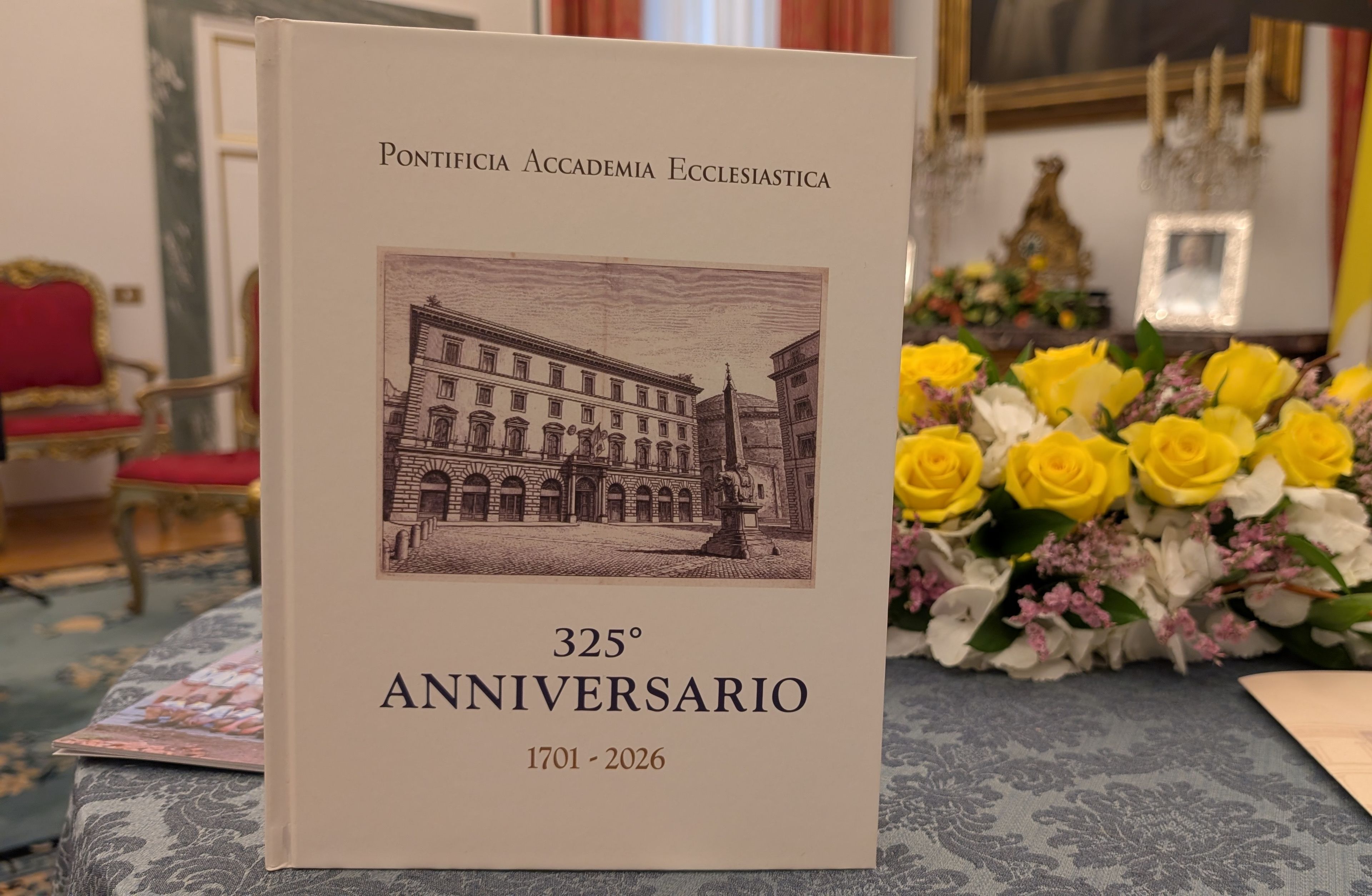
Commemorative book of the 325th anniversary of the Pontifical Ecclesiastical Academy on May 22, 2026, in Rome. | Credit: Ishmael Adibuah/EWTN News
“And then the third level is the pastoral one, because the students must continue to be priests. They must not abandon their apostolic zeal, and on weekends, they are assigned to parishes, hospitals, and prisons, where they can develop and exercise their pastoral ministry. Pope Francis also introduced a missionary year. Before being assigned to a diplomatic post, they must complete a year of missionary experience in the country to which they are assigned. After a year there, they return and then receive their first diplomatic post.”
Vatican versus civil diplomacy
Pennacchio also explained the distinction between Holy See diplomacy and civil diplomacy.
“I often compare our role to a train track with two parallel rails. While nuncios serve as ambassadors presenting credentials to the state, we simultaneously represent the Holy Father to the local Church. Unlike civil diplomats who focus on national, commercial, or military interests, ours is a unique, deeply spiritual mission. In the political sphere, our primary goal is always to bring a message of peace and inspire negotiations rather than war,” Pennacchio said.
This article was originally published by EWTN News English.