The general audience catechesis focused on Gaudium et Spes, Vatican II’s pastoral constitution on the Church in the modern world.
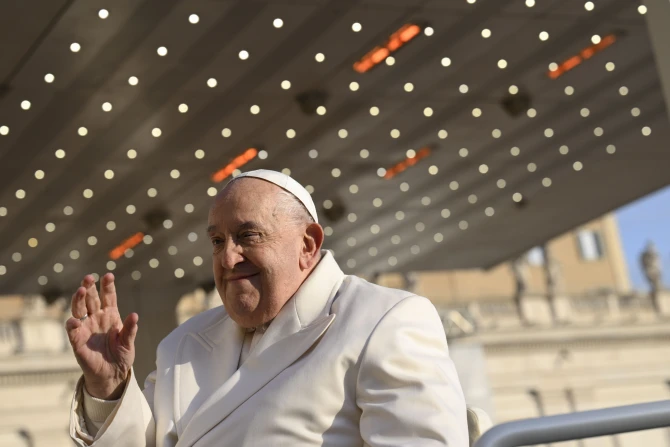
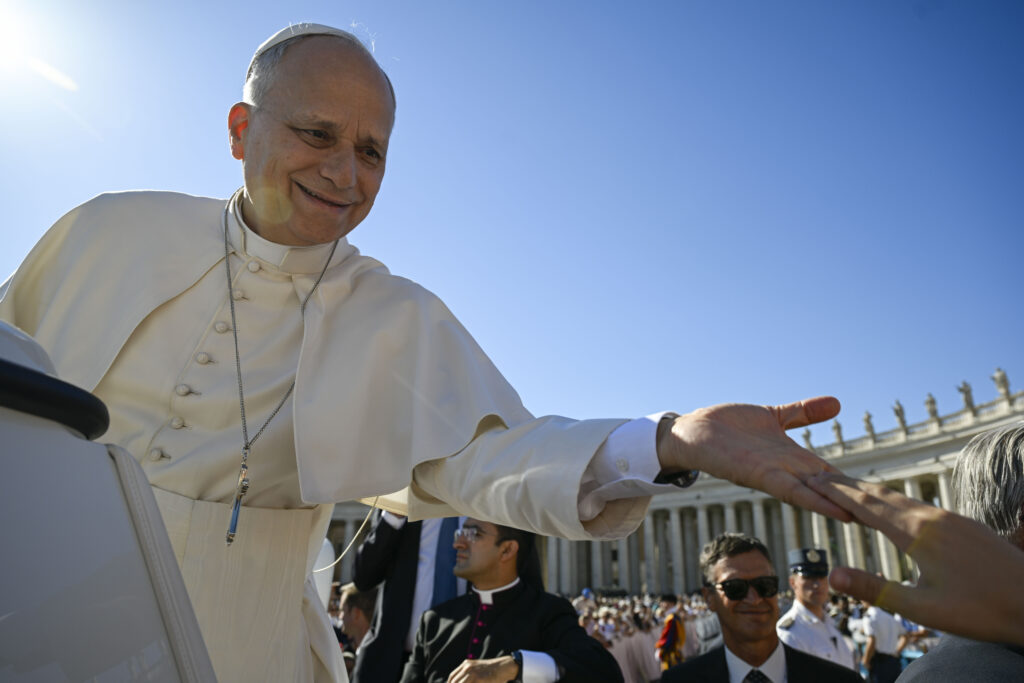
VATICAN CITY — Pope Leo XIV on Wednesday called for “unmasking the contradictions” of the contemporary world and said that believers are called to take on “the burdens of their brothers and sisters, especially those who are crushed by injustice, discrimination, and violence.”
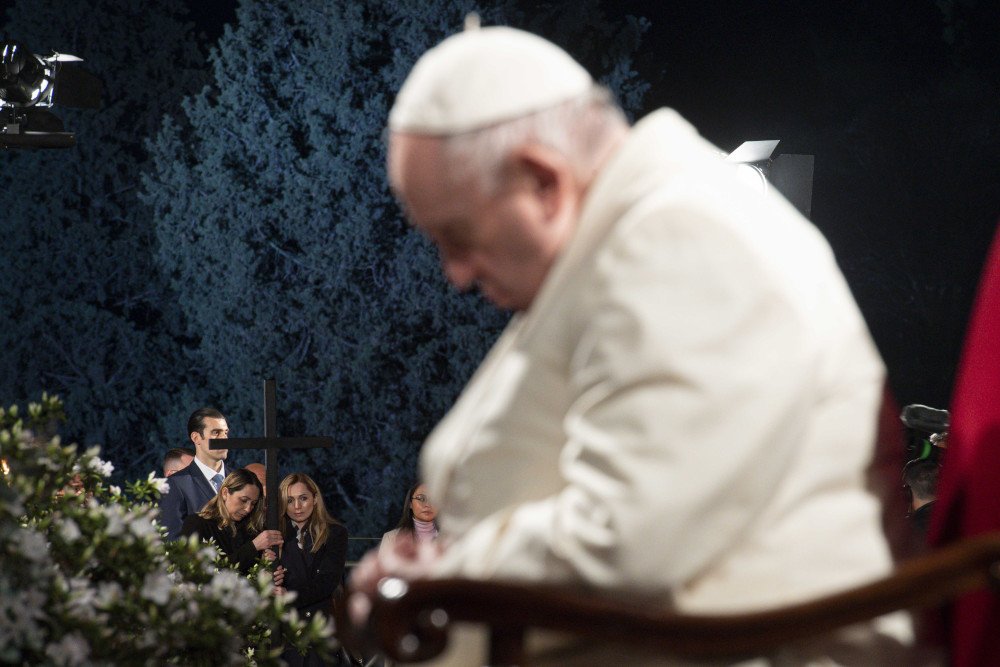
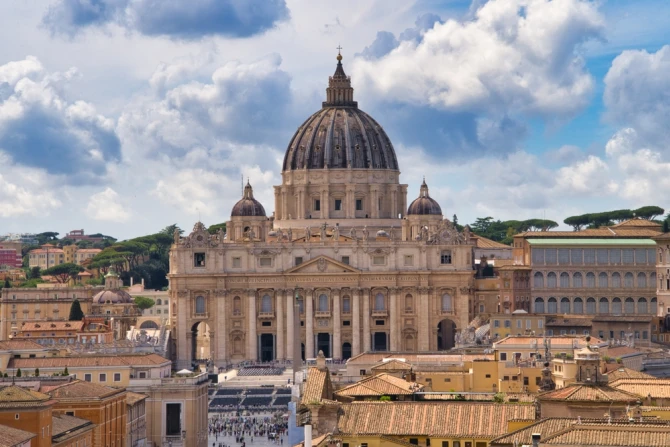
The pontiff made this appeal during his general audience in St. Peter’s Square on Sept. 2, during which he inaugurated a new series of catecheses dedicated to the pastoral constitution Gaudium et Spes, one of the Church’s most significant responses to the challenges and expectations of the modern world.
The document of the Second Vatican Council, approved and promulgated on Dec. 7, 1965, highlights, as Leo explained, the essentially pastoral nature of the Church, born of “a renewed fidelity to the mystery of Christ who, by becoming incarnate, chooses to share our life.”
For this reason, he recalled that the conciliar constitution Gaudium et Spes opens with the famous statement that the Church makes her own “the joys and the hopes, the griefs and the anxieties of the men of this age, especially those who are poor or in any way afflicted.”
This commitment, the pontiff added, calls Christians “to leave behind all passivity and indifference in the face of current events, history, and people’s lives, especially in the face of the rapid and profound changes we are experiencing today.”
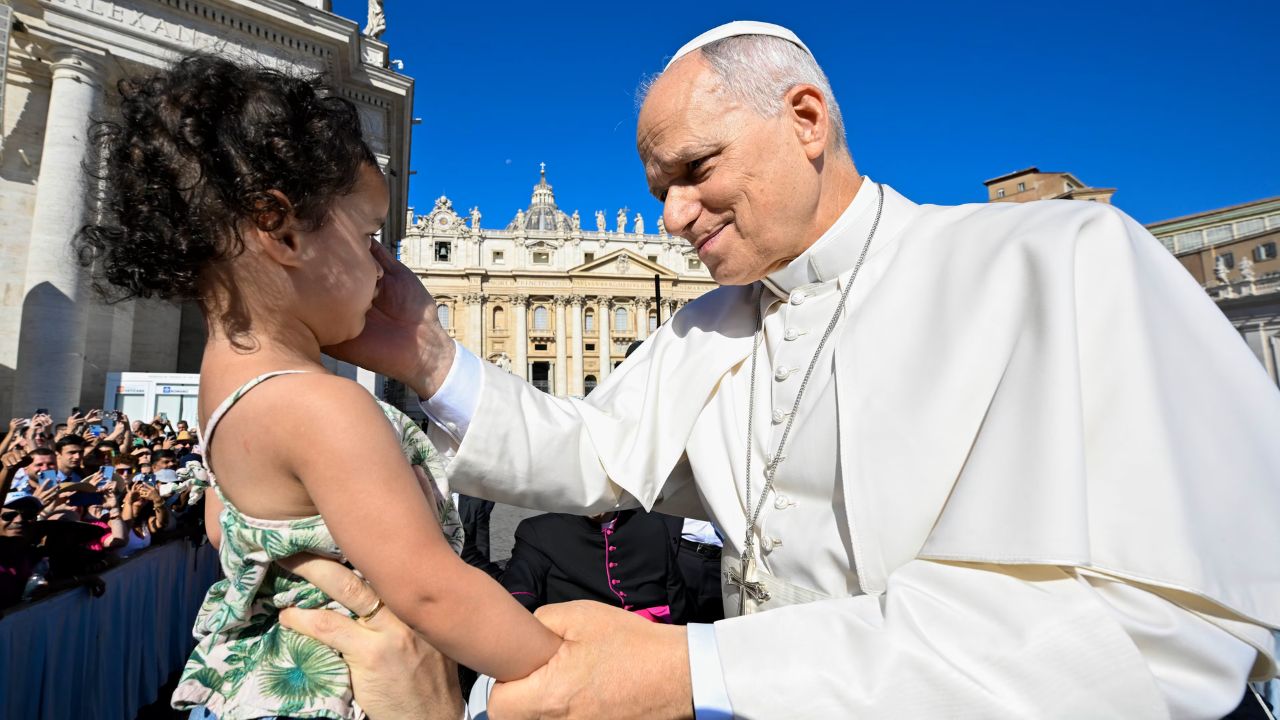
He emphasized that closeness to humanity allows for a deeper understanding both of historical events and of revelation itself. From that perspective, he noted that Gaudium et Spes recalls that “the Church has always had the duty of scrutinizing the signs of the times and of interpreting them in the light of the Gospel.”
The Holy Father clarified that this attitude does not stem solely from a “merely moral imperative.” To explain this, he cited the apostolic exhortation Evangelii Gaudium, considered the roadmap of Pope Francis’ pontificate, which reminds us that for the Church “the option for the poor is primarily a theological category rather than a cultural, sociological, political, or philosophical one.”
“Christian solidarity commits us to engaging with reality and also to unmasking the contradictions that characterize personal and social life in the contemporary world,” the pope said.
He then listed some examples of those contradictions. On the one hand, he pointed to “scientific and technological progress, which constantly offers new possibilities, but only to some”; on the other, a clearer understanding of the “laws of society,” accompanied, however, by uncertainties “about the direction to give” them.
He also highlighted the paradox of possessing “wealth, resources, and economic power” while, at the same time, “a huge proportion of the world’s citizens are still tormented by hunger and poverty.” Likewise, he lamented that there is growing awareness that the future of the planet is at stake and yet a persistent inability to renounce “selfish consumption” and “the illusion that war is an effective means of building peace.”
“In a time marked by profound changes, giving rise to worrying imbalances, the Church is called to serve the human person, listening to and welcoming the deepest questions of their heart and the longings that dwell within them,” the Holy Father said.
This story was first published by ACI Prensa, the Spanish-language sister service of EWTN News. It has been translated and adapted by EWTN News English.