Skip to content

Pope issues new constitution for Vatican City State

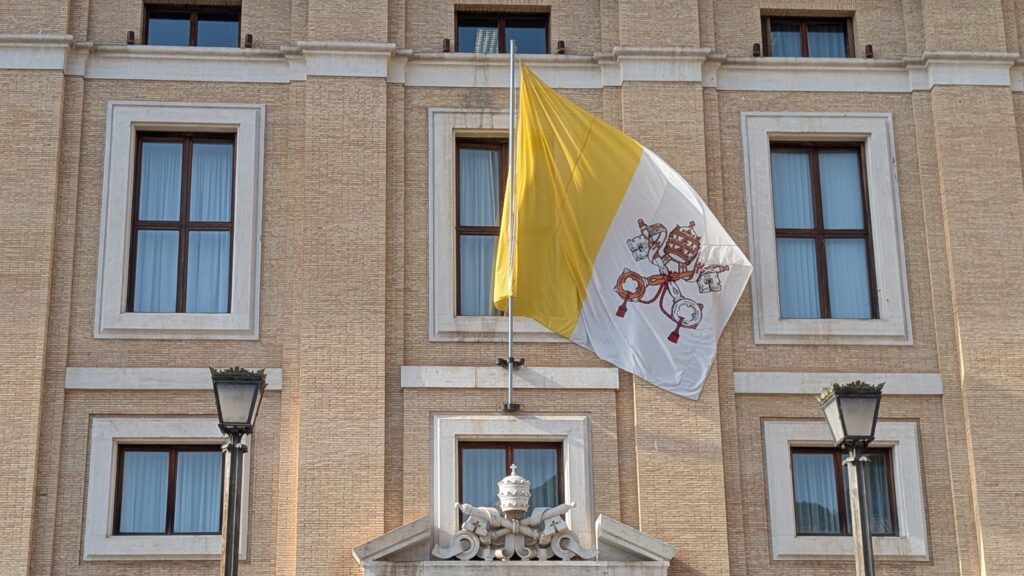
A flag of Vatican City State flies outside Piazza Pio XII, the main entrance to St. Peter’s Square, on July 16, 2026. | Credit: Ishmael Adibuah/EWTN News

The pontiff approved the new Fundamental Law of Vatican City State on July 31, enshrining the ability of non-cardinals to head its government.

Pope Leo XIV has promulgated a new constitution for Vatican City State, formally enshrining the possibility for a non-cardinal to serve as president of its governing body.

The new laws, making up the Fundamental Law of Vatican City State, were published on July 31. They replace the 2023 constitution by Pope Francis, which emphasized papal authority over the sovereign state.

In an explanatory note, the Vatican said the new law responded to government and regulatory changes in recent years.

Non-cardinal eligibility for Vatican presidency enshrined in Fundamental Law

The most direct change in the 2026 law concerned the presidency and composition of the Vatican’s pontifical commission and governorate.

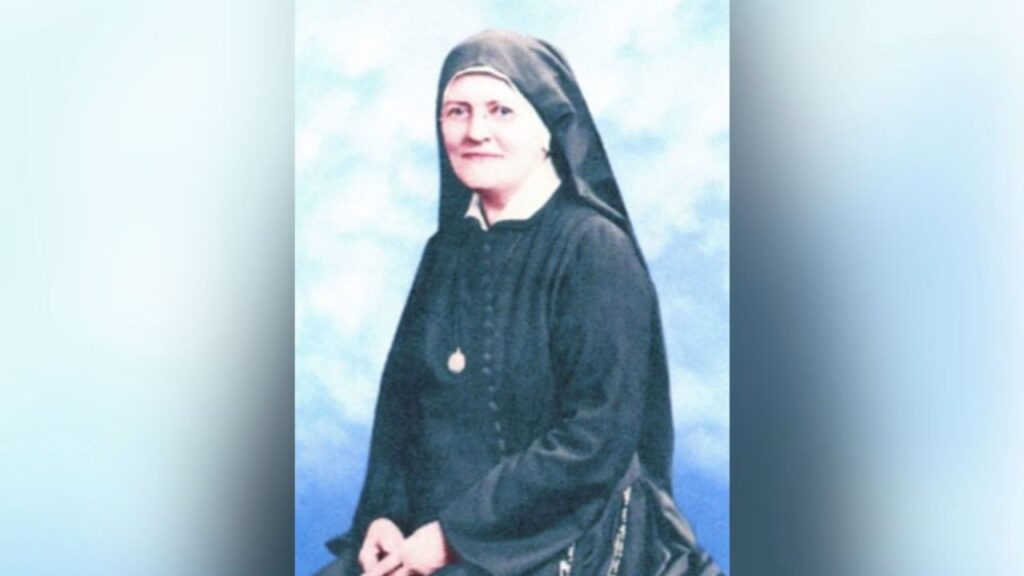
In 2025, Pope Francis appointed Sister Raffaella Petrini, FSE, as the first woman and first non-cardinal to serve as president of both the Pontifical Commission and the Governorate. Although the 2023 law already allowed non-cardinals to be members of the commission, its presidency had been reserved to a cardinal.

The Vatican subsequently said Francis had modified the Fundamental Law in connection with Petrini’s appointment. In November 2025, Leo XIV issued a motu proprio (a decree by the pope’s own initiative)  expressly providing that non-cardinals could serve as president. The 2026 constitution now incorporates that change into the state’s Fundamental Law.
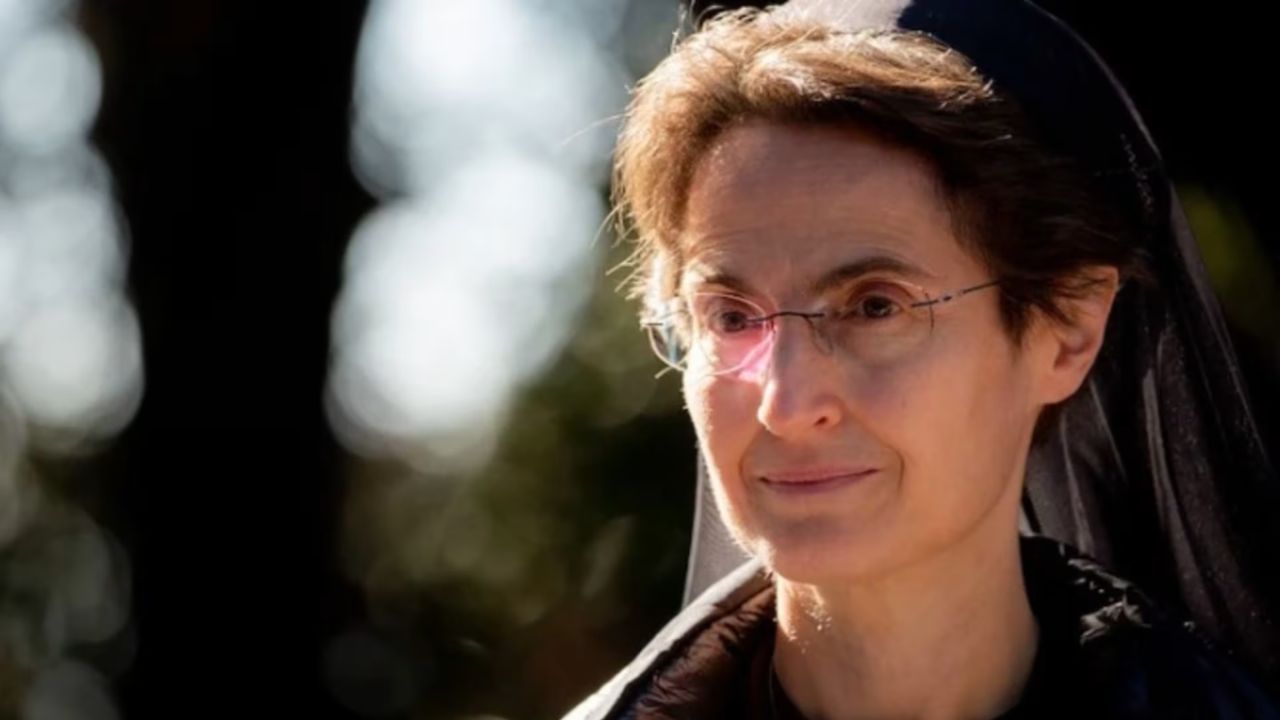
Sister Raffaella Petrini. | Credit: Daniel Ibáñez/EWTN News

Other changes

Other changes in Leo’s 2026 constitution included changes in the role of the general councilor. It allows for the general councilor to participate in commission meetings and provide consultation.

The 2026 law also specified the role of the secretary-general, who will implement the policies of the president.

Leo XIV’s new constitution is the fourth since the creation of Vatican City State in 1929. Following its Lateran Treaty with Italy that year, the first constitution was established and remained the law of the sovereign state until St. John Paul II replaced it in 2000.

This article was originally published by EWTN News English.

Receive the most important news from EWTN Vatican via WhatsApp. It has become increasingly difficult to see Catholic news on social media. Subscribe to our free channel today

Share

Would you like to receive the latest updates on the Pope and the Vatican

Receive articles and updates from our EWTN Newsletter.

More news related to this article

Cardinal Grech: Why the Synod Marks a Turning Point for the Church

In an exclusive interview with EWTN, Cardinal Mario Grech shares post-Synod insights, emphasizing the need for spiritual conversion over structural reform, Pope Francis’ groundbreaking approach, and the dynamic involvement of the People of God.

Cardinal Grech shares blessing for Synod on Synodality to be given after Sunday Mass

Cardinal Mario Grech has asked Catholics around the world to pray a blessing and special intercessory prayers for the Synod on Synodality.

Pope Francis reportedly denies his trip to Argentina would depend on election results

According to Infobae, Pope Francis said his potential trip to Argentina is not tied to the outcome of Sunday's presidential elections between Sergio Massa and Javier Milei.

Who is King Baudouin? Meet the king of the Belgians whom Pope Francis wants to canonize

Pope Francis Announces Beatification Process for Belgian King Baudouin, a Faithful Defender of Unborn Life

FULL TEXT: Benedict XVI shares his final thoughts with the Church

Each pope writes a spiritual testament to be made public only after his death. This is Benedict XVI’s.

Paris Grand Mosque rector proposes to Pope Francis a meeting between Muslims and Christians

The rector of the Grand Mosque of Paris proposed a Christian-Muslim meeting with Pope Francis in Paris this year to foster dialogue and fraternity.

LIVE
FROM THE VATICAN

Be present live on EWTNVatican.com