Skip to content

Pope Leo XIV, Ocáriz discuss process of revising Opus Dei’s statutes

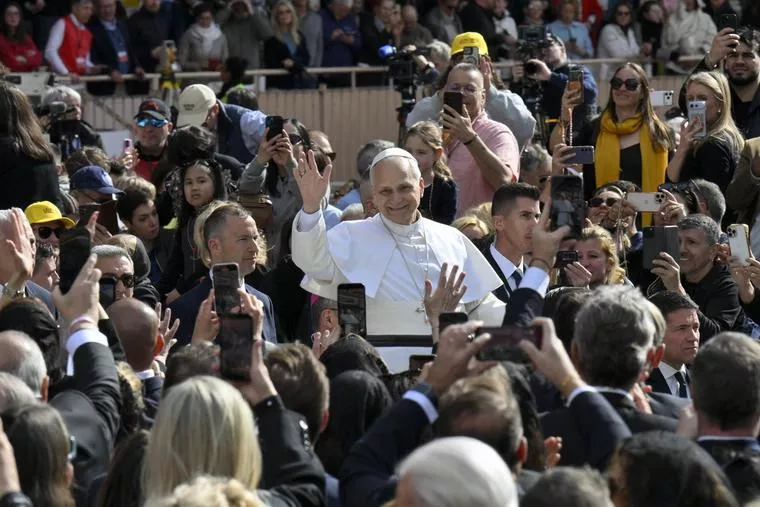
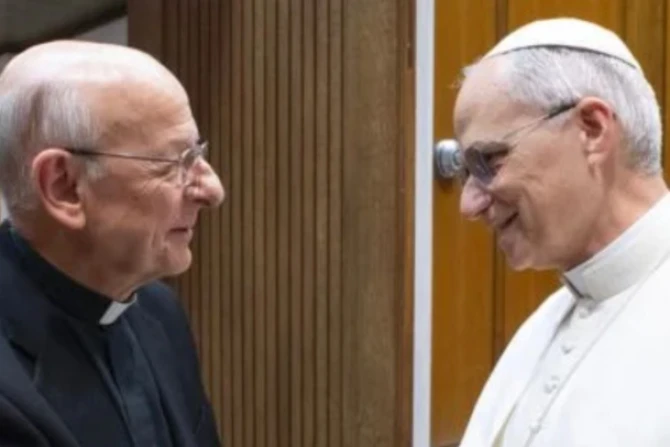
Pope Leo XIV on Wednesday briefly discussed the revision of Opus Dei’s statutes with the apostolate’s prelate, Monsignor Fernando Ocáriz, a revision that was postponed following the death of Pope Francis on April 21.

Pope Leo XIV on Wednesday briefly discussed the revision of Opus Dei’s statutes with the apostolate’s prelate, Monsignor Fernando Ocáriz, a revision that was postponed following the death of Pope Francis on April 21, two days before the convening of Opus Dei’s general congress, from which the revisions proposed for approval were to be issued.

According to the Opus Dei communications office in Rome, the May 14 encounter was “a brief meeting in which the pope expressed his closeness and affection.”

“In a familial atmosphere of trust, Leo XIV gave the prelate and the auxiliary vicar his paternal blessing” and, at the end of the audience, mentioned “the feasts of Our Lady celebrated on the day of his election,” the statement reads.

During the meeting, in which Ocáriz was accompanied by his auxiliary vicar, Monsignor Mariano Fazio, one of the topics discussed was the delayed statutory revisions.

“Among other topics, the Holy Father asked about the current study of the statutes of the prelature and listened with great interest to the explanations given to him,” the official statement noted.

Opus Dei had planned to revise its statutes to adapt them to Pope Francis’ motu proprio Ad Charisma Tuendum. In essence, the pope’s directive placed Opus Dei under the direction of the Dicastery for the Clergy rather than the Dicastery for Bishops and ended the practice of elevating the prelate of Opus Dei to the rank of bishop.

Pope Francis had also requested that Opus Dei revise its statutes to reflect this new structure, which was to be finalized during the general congress. This revision was to be presented as a proposal to the Holy See for approval following its adoption by the assembly.

However, the general congress ultimately focused solely on the tasks of choosing a new general council and central advisory board, positions that are selected every eight years.

This story was first published by ACI Prensa, CNA’s Spanish-language news partner. It has been translated and adapted by CNA.

SIGN UP FOR OUR NEWSLETTER HERE

Receive the most important news from EWTN Vatican via WhatsApp. It has become increasingly difficult to see Catholic news on social media. Subscribe to our free channel today

Share

Would you like to receive the latest updates on the Pope and the Vatican

Receive articles and updates from our EWTN Newsletter.

More news related to this article

Pope Francis: Migrant crisis requires wisdom, not ‘alarmist propaganda’

Pope Francis on Saturday told an interreligious youth conference in Marseille, France, that the deepening migrant crisis unfolding

Paradisus: Baroque Lightscapes in Sacred Spaces

The blank nave of Santissima Trinità dei Pellegrini lights up with the baroque light project of Paradisus during the Catholic Church's Jubilee Year.

How Pope Francis shaped the College of Cardinals

Of the 133 cardinals with the right to vote in this conclave, 108 were created by Pope Francis and therefore will be participating in the election of a pontiff for the first time.

Carlo Acutis and the four popes

Carlo went on pilgrimage to see John Paul II, offered up his suffering from cancer for Benedict XVI, and was later beatified during the pontificate of Pope Francis. Now, it will be up to the next pope to canonize the Church’s first millennial saint.

Pope reportedly confirms he is taking away Burke’s apartment, denies calling him his ‘enemy’

Pope Francis reportedly has confirmed that he plans to take away Cardinal Raymond Burke’s Vatican apartment and salary

Pope Francis: ‘Today the ugliest danger is gender ideology’

Pope Francis on Friday morning gave an address on the importance of building a culture that protects human

LIVE
FROM THE VATICAN

Be present live on EWTNVatican.com