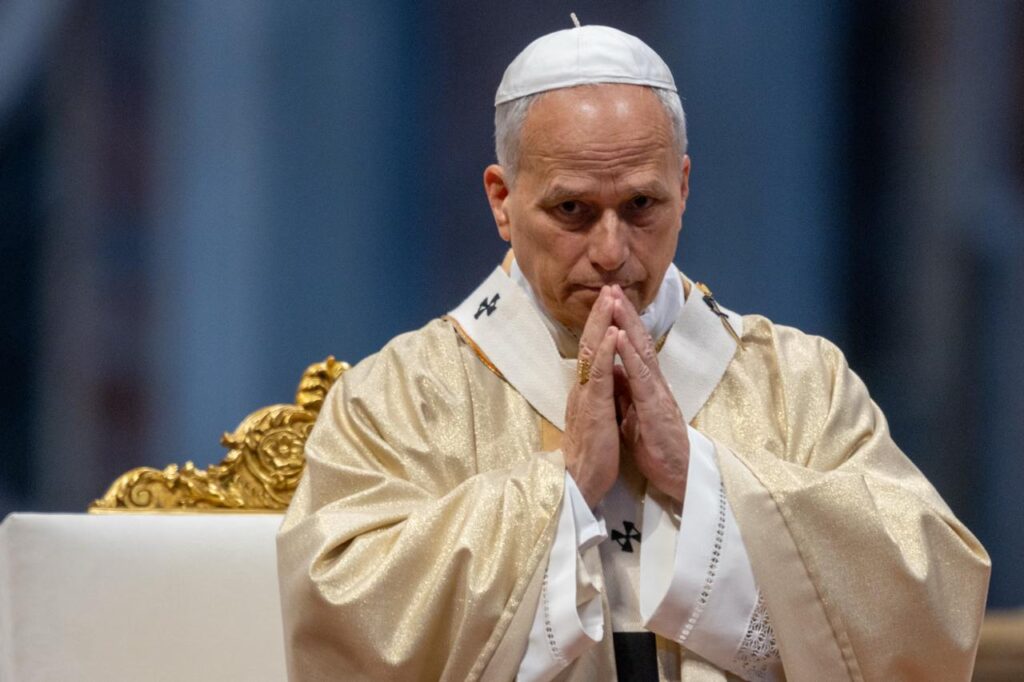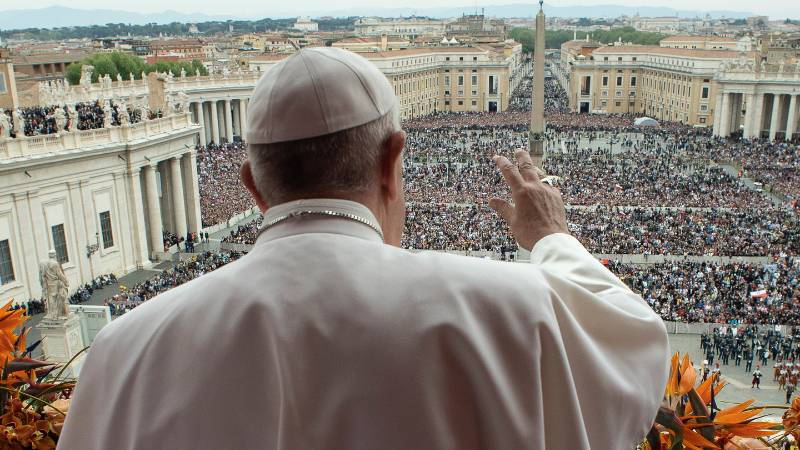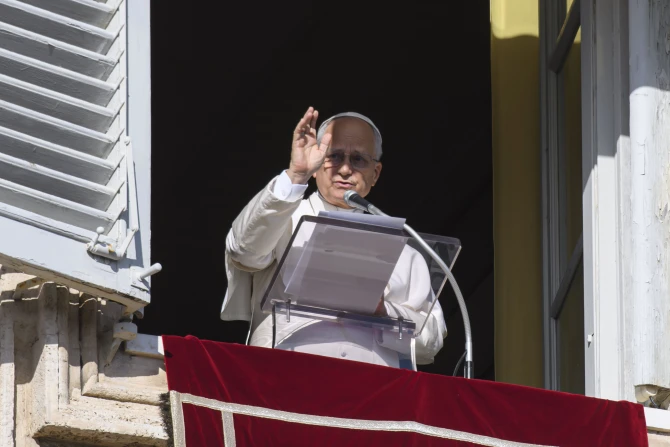
Pope Leo XIV on Sunday said his apostolic journey to Turkey and Lebanon showed that “peace is possible,” pointing to renewed steps toward Christian unity and powerful encounters with the Lebanese people still seeking justice after the 2020 Beirut port explosion.
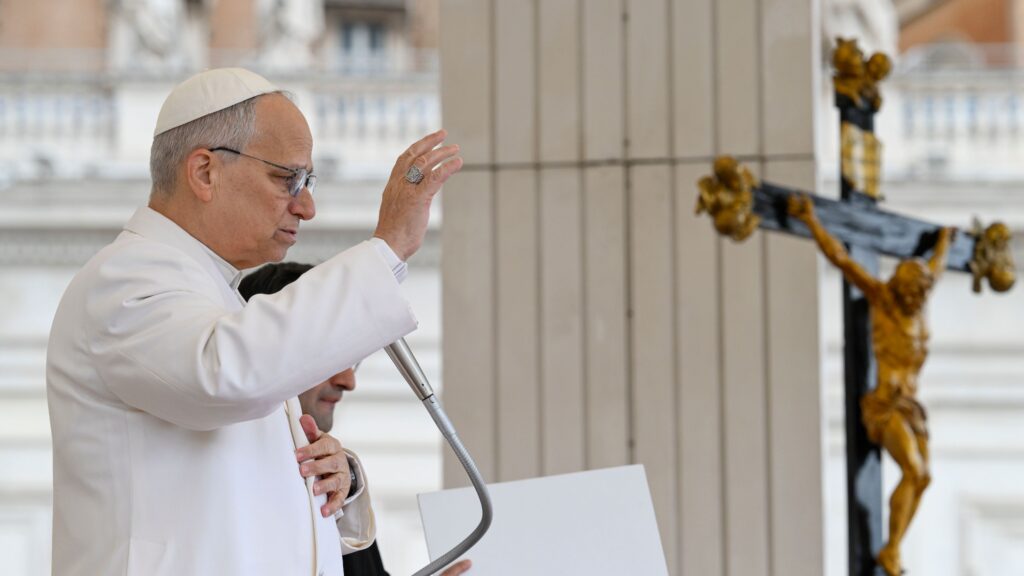
Speaking after the Angelus to pilgrims gathered in St Peter’s Square on Dec. 7, the pope recalled praying in İznik, ancient Nicea, with Ecumenical Patriarch Bartholomew, considered first among equals among Eastern Orthodox bishops, and representatives of other Christian communities on the 1700th anniversary of the First Council of Nicaea.
Marking Sunday’s 60th anniversary of the Common Declaration between Pope Paul VI and Patriarch Athenagoras, Leo said, “We give thanks to God and renew our dedication to journeying towards the full visible unity of all Christians.”
In Lebanon, the pope said he encountered a “mosaic of coexistence” and met people who serve the most vulnerable by welcoming refugees, visiting the imprisoned, and sharing food with those in need. He was especially moved by meeting relatives of the victims of the Beirut port blast. “The Lebanese people were waiting for a word and a presence of consolation, but it was they who comforted me with their faith and their enthusiasm,” he said.
The pope also expressed closeness to communities in South and Southeast Asia struck by recent natural disasters, praying for victims and urging international solidarity.
Earlier, in his Advent catechesis before the Angelus, Pope Leo reflected on John the Baptist’s call to prepare the way of the Lord. John’s severe tone, he said, still resonates because it carries God’s “plea to take life seriously” and to ready the heart for the God who judges “not by appearance, but by deeds and intentions.”
The pope said the Kingdom manifests itself gently, in the meekness and mercy of Christ described by Isaiah as a shoot rising from a seemingly dead tree trunk. He linked this surprising newness to the spirit of the Second Vatican Council, which closed 60 years ago and continues to guide the Church on its journey toward unity and renewal.
“This is the spirituality of Advent, very luminous and concrete,” he said. “The streetlights remind us that each of us can be a little light, if we welcome Jesus, the shoot of a new world.”
This article was originally published by CNA.