Reflecting on his four-day pastoral visit, the pope highlighted Notre-Dame’s restoration, rising baptisms, youthful faith, care for abuse victims, and Europe’s vocation to peace.
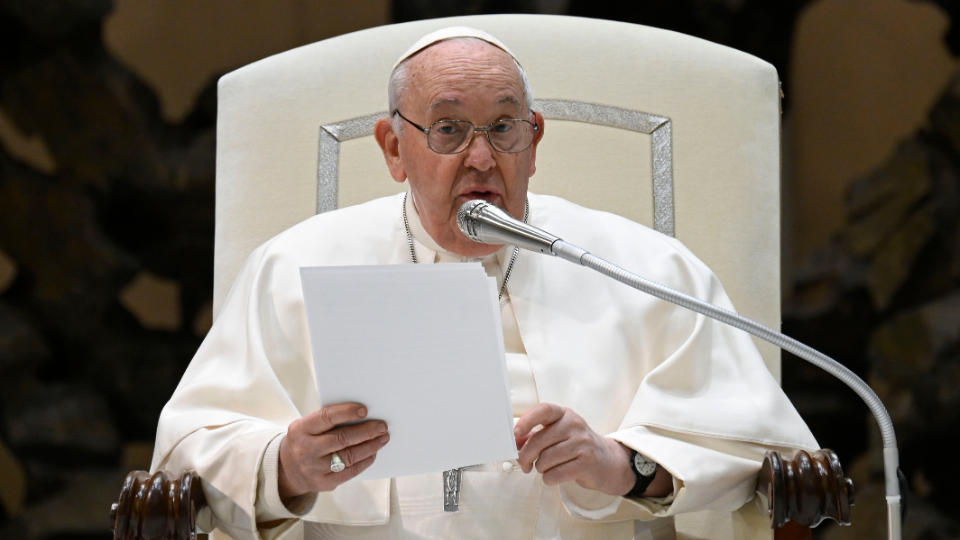
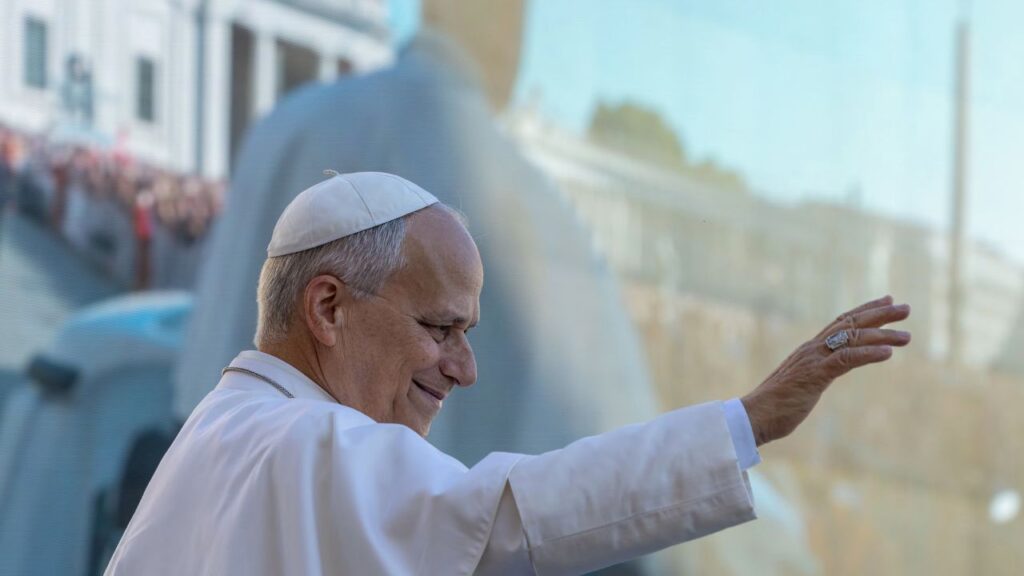
VATICAN CITY — Pope Leo XIV on Wednesday reflected on his recent four-day pastoral visit to France, calling it a “great gift” and saying the trip could be understood through one central image: the reconstruction of Notre-Dame Cathedral in Paris.
“It is precisely Notre-Dame, with the tragedy it has endured, that can symbolically shed light on this entire Apostolic Journey, offering a perspective that I would summarize in one word: rebirth,” the pope said during his general audience in St. Peter’s Square.
Leo recalled that the cathedral, devastated by fire seven years ago and once thought to be mortally wounded, has been rebuilt and is now “more splendid than ever.”
He said its restoration demonstrated what can be achieved through collaboration among the Church, the state, public institutions, and civil society.
“This approach made it possible to make the most of both the generosity of benefactors and the expertise of professionals and skilled workers,” he said.
The pope added that such cooperation for the common good should become the norm for institutions, political and social forces, and those with civic and economic responsibilities.
Firm commitment to preventing abuse
The pope also recalled his private meeting during the trip with seven victims of clerical abuse and reaffirmed the Church’s commitment to listening to survivors, accompanying them as they seek healing, and preventing future abuse.
“In this context I met some people who were victims of abuse, and I asked them to help me express to other victims too my own wish, and that of the whole Church, to listen to them and walk alongside them as they seek healing, acknowledging the pain inflicted upon their lives and working to prevent abuse,” he said.
The meeting took place Sunday at the bishop’s residence in Lourdes and lasted about two hours. Leo also spoke privately with each participant.
The Church is made of people, not stones
The Holy Father reflected on the prayer vigil he celebrated with thousands of young people at the Stade de France, describing it as a powerful sign of vitality in the Church.
“The Church, which is not made up of stones or cement, but of people who love Jesus Christ because they have been loved by Him,” he said.
Leo spoke of a “new French generation,” new not only in terms of age but, as he said, “even more so in spirit, in the freedom of heart and faith.”
“Young people who sang and shouted, but who also remained silent, listening. Attentive and emotional faces, which revealed hearts yearning for truth and love,” he said.
“To them I said with joy: ‘You are the saints of France!’ The Vigil was a great sign of hope.”
He also highlighted the remarkable and growing number of young people and adults seeking Baptism, calling it a beautiful “surprise” from God and a sign of renewal within the Church.
Lourdes and the ‘civilization of love’
Recalling his visit to Lourdes, the pope emphasized the message of hope offered to pilgrims, especially those suffering physically or spiritually.
“In Lourdes, the Lord, through the maternal care of the Virgin Mary, conveys to everyone, pilgrims and especially those who are sick in body and spirit, a message of hope and rebirth,” he said.
The pope also strongly defended the dignity of every human life, particularly in situations of profound vulnerability.
“Every human life, in whatever condition, even in the most extreme frailty, retains its inviolable dignity and deserves to be cared for, accompanied and relieved of suffering with human compassion and with the aid of the means offered by science,” he said.
For that reason, he added, Lourdes represents for the entire world “a sanctuary of the civilization of love.”
Europe, dialogue, and peace
The final stage of Leo’s trip took him to Metz, a city in a region ravaged by World War II and closely associated with Robert Schuman, one of the principal architects of European integration.
The pope compared the reconstruction of Notre-Dame with Europe’s rebirth after World War II. He noted that the European project arose from principles of democracy, solidarity, and fraternity among peoples that owe much to the continent’s Christian roots.
He also highlighted his meeting with representatives of various religious traditions, who read and signed the “Metz Appeal” for dialogue and peace in his presence.
‘That the world may have life’
The pope concluded by recalling that the theme of his pastoral visit was Pour que le monde ait la vie (“That the world may have life”), drawn from John 6:51.
He said the words of Jesus encapsulate Christ’s mission of salvation and expressed the Gospel meaning of every encounter during the journey.
Leo ended by praying that the visit would bear “abundant and lasting fruit.”
This story was first published by ACI Prensa, the Spanish-language sister service of EWTN News. It has been translated and adapted by EWTN News English.