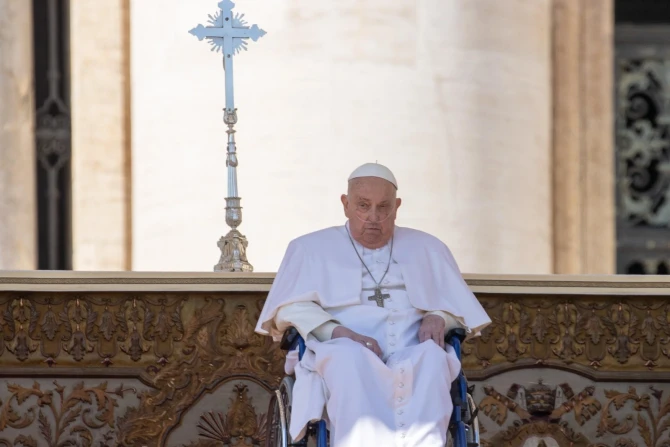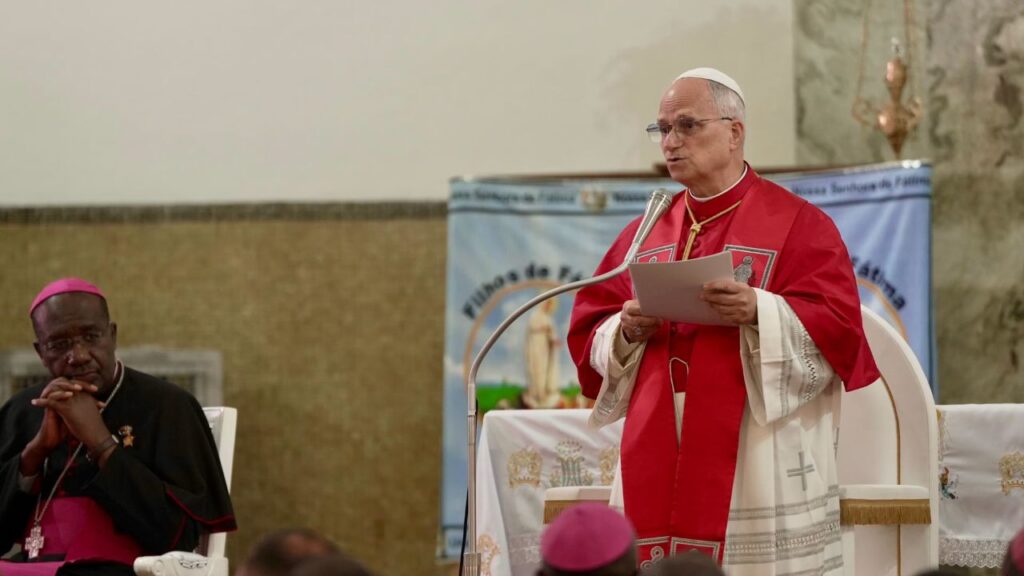
In recent developments that have stirred the waters of Catholic media, reports emerged over the weekend from prominent Catholic outlets The Pillar and The Remnant suggesting that Pope Francis had commissioned Cardinal Gianfranco Ghirlanda to draft significant changes to the papal election process. Cardinal Ghirlanda, an esteemed Italian Canon lawyer within Vatican circles, was said to be at the helm of efforts to inject a more synodal dimension into the pre-conclave proceedings.
The suggested revisions included altering the pre-conclave meetings to foster small group discussions reminiscent of the Synod on Synodality’s approach and restricting participation in these gatherings exclusively to cardinals under the age of 80 — those eligible to vote in the conclave.
However, in a recent turn of events, Cardinal Ghirlanda has categorically denied any involvement with the supposed reforms. In an unequivocal statement to EWTN News, the Cardinal expressed his unawareness of the matter, branding any such attributions to him as “a pure lie.” Similarly, the Vatican spokesperson has denied knowledge of any such changes, as stated to the Catholic News Agency.
For clarity on the swirling speculations, EWTN News Editorial Director Dr. Matthew Bunson offered his insights. Dr. Bunson confirmed that while the reports of reform have indeed been circulating, they remain unsubstantiated. According to him, Cardinal Ghirlanda’s denial and the Vatican’s refutation cast significant doubt on the veracity of the initial reports.
Addressing the plausibility and mechanics of altering the papal election process, Dr. Bunson clarified that, indeed, a pope holds the authority to modify the procedures of electing his successor. History has seen such changes instituted by Popes Paul VI, John Paul II, Benedict XVI, and even minor amendments by Pope Francis. Any modifications would necessitate a papal decree to revise the election or its preparatory stages.
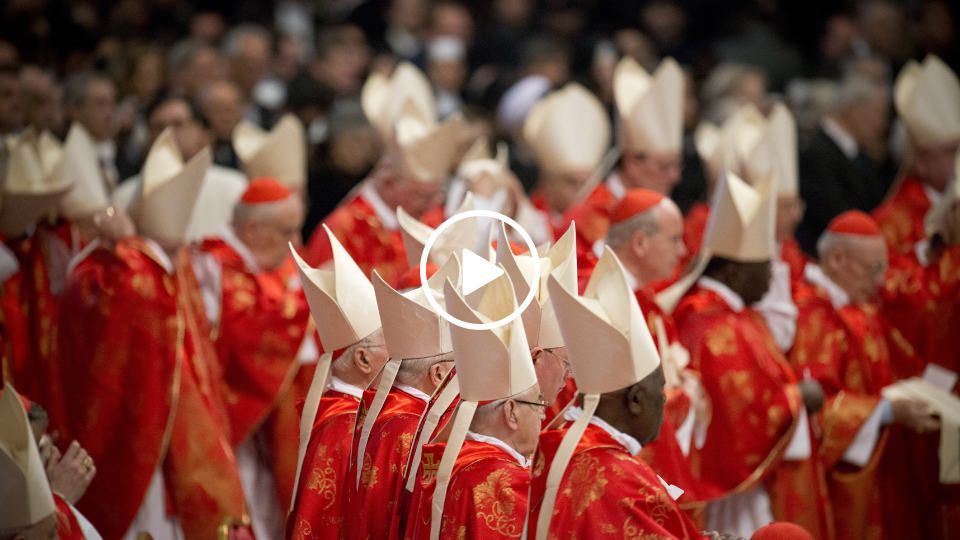
Among the more controversial and speculative aspects of the reported changes is the potential inclusion of laypeople in the General Congregations, the assemblies of the cardinals preceding the actual conclave. There were even murmurs of a proposition to have laypeople serve as electors in the conclave itself — a significant departure from the longstanding tradition of exclusive cardinal electors.
However, as Dr. Bunson noted, while Pope Francis possesses the full prerogative to instigate such reforms, there is presently no concrete evidence to suggest that such changes are imminent or even under serious consideration.
As it stands, the Catholic Church and its faithful observers are left to navigate between speculative reports and firm denials. While the possibility of change looms perennially in the ever-evolving life of the Church, for now, the mechanisms of electing the Successor of Peter remain unaltered. Whether Pope Francis will venture to redefine this aspect of Church governance remains to be seen, leaving many to watch and wait for any official word from the Holy See.
(Adapted by Jacob Stein)