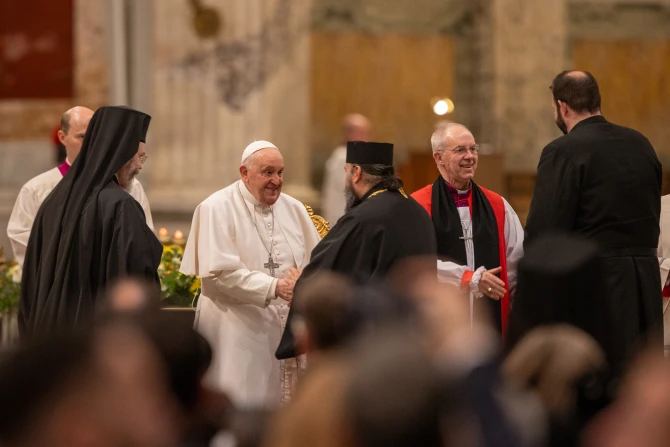
The Week of Prayer for Christian Unity, which runs Jan. 18–25, takes on special significance this year because of the 1,700th anniversary of the first ecumenical council in history, the Council of Nicaea in A.D. 325.
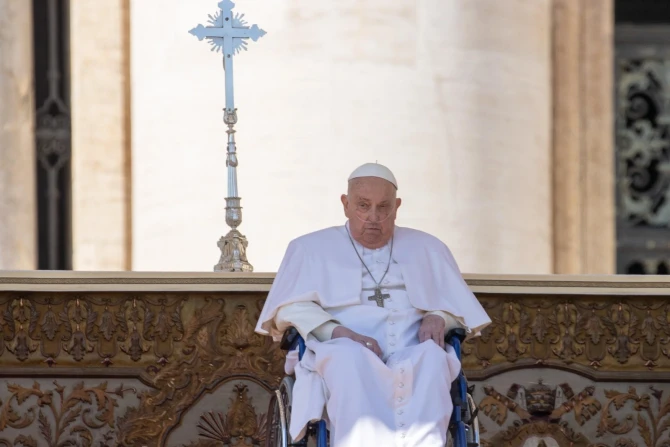
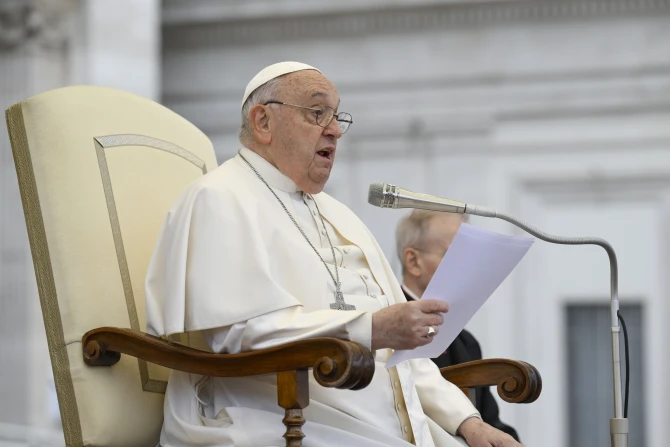
On Jan. 25, the feast of the Conversion of St. Paul, Pope Francis will conclude this week of prayer with vespers in St. Paul Outside the Walls Basilica at 5:30 p.m. Rome time.
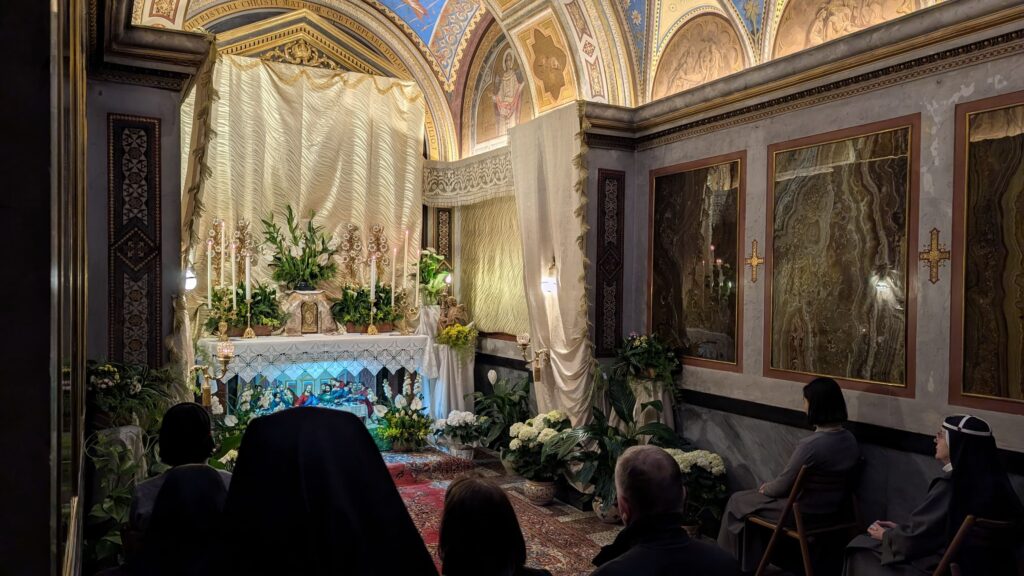
In addition, on Thursday, Jan. 23, at 6 p.m., the Diocese of Rome will organize a traveling vigil involving three different places of worship: the Lutheran church located at 70 Via Sicilia, St. Andrew Orthodox Church at 153 Via Sardegna, and St. Camillus de Lellis Parish at 41 Via Piemonte.
According to a statement released by the Vicariate of Rome, this is not simply a prayer vigil but “a brief pilgrimage in three stages” with biblical meditations intended for evangelicals, Orthodox, and Catholics.
“This giving of gifts also represents circularity, communion, and diversity within the same faith,” said Monsignor Marco Gnavi, head of the office for ecumenism and interreligious dialogue of the Diocese of Rome.
The prayers and reflections for this event were drafted by the brothers of the Monastic Community of Bose in northern Italy together with an international group appointed by the Dicastery for Promoting Christian Unity and the Faith and Order Commission of the Ecumenical Council of Churches.
The theme for the week, “Do You Believe This?” (Jn 11:26), is inspired by the dialogue between Jesus and Martha during Jesus’ visit to the home of Martha and Mary in Bethany after their brother Lazarus had died as recounted in John’s Gospel.
According to Gnavi, the theme chosen this year “is central, because today not only the churches but also the peoples must face many forms of real death, which also involves division, separation, to the point of conflict and the massacre of innocents.”
Even in one’s personal life, the priest continued, “many are alone and, in the uncertainty of the present, the need for answers arises.”
“The dialogue between Jesus and Martha shows how in every man and woman there is an implicit or explicit question about faith. These words also help us to remember the anniversary of the Council of Nicaea, which gave us this profession of faith that unites us all in baptism,” he concluded.
This story was first published by ACI Prensa, CNA’s Spanish-language news partner. It has been translated and adapted by CNA.