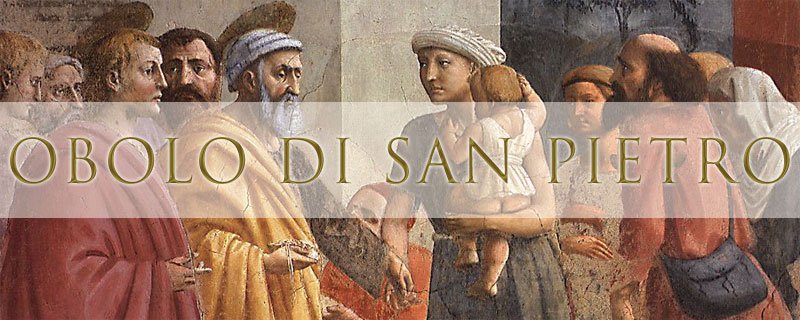
Saint Peter’s Pence, the charity organization led by Pope Francis, has reported a significant increase in its funds, largely attributed to the sale of real estate assets. The annual disclosure, released on June 30, revealed that the organization received 50 million euros from the proceeds of real estate management, contributing to a total disbursement of nearly 100 million euros. However, the expenses of the Curia, the administrative body of the Vatican, have also seen an increase.
One noteworthy aspect of the report is that Saint Peter’s Pence managed to double its income by selling a portion of its real estate holdings, thereby reducing its overall real estate assets. This development comes at a time when the Institute for the Works of Religion (IOR), commonly known as the Vatican Bank, experienced a significant decrease in available liquid funds.
In 2021, Saint Peter’s Pence contributed 55 million euros to cover the expenses of Vatican dicasteries, which include various departments and institutions, forming what is known as the “mission budget.” However, in 2022, the organization increased its contribution to 77.6 million euros, accounting for 20 percent of the dicasteries’ expenses. Consequently, the total expenses of the dicasteries reached 383.9 million euros, representing an increase of nearly 150 million euros compared to the previous year.
The Holy See is currently grappling with a more costly Curia and a continuing financial crisis, prompting efforts to raise funds. The upcoming budget release by the Administration of the Patrimony of the Apostolic See, scheduled for early August, is expected to shed light on the investments made in real estate and movable assets.
While the annual disclosure provides some figures for 2022, a direct comparison with the previous year’s data is not available. Last year, Saint Peter’s Pence disbursed a total of 93.8 million euros, with 43.5 million euros coming from offerings received in 2022 and the remaining 50.3 million euros derived from real estate management.
Out of the total revenue of 107 million euros, only 43.5 million euros resulted from donations, including contributions from the Feast of Saints Peter and Paul and direct contributions and bequests. The funds disbursed by Saint Peter’s Pence were primarily allocated to support the activities of the Holy See, encompassing a wide range of dicasteries, institutions, and organizations.
It is worth noting that the primary purpose of Saint Peter’s Pence, established in the 19th century after the fall of the Papal States, has always been to support the Holy Father and the mission of the Holy See. In 2022, out of the total disbursement, 16.2 million euros were directed towards projects providing direct assistance to those in need.
However, there is a need for greater balance between the collection of Saint Peter’s Pence and the allocation of funds to support the most vulnerable. In 2022, the Pope disbursed 36 million euros, of which only 16.2 million euros were financed by Saint Peter’s Pence. These funds were part of the “Apostolic Mission Support,” which contributed to 192 projects in 72 different countries.
Here are some notable supported projects:
- Ukraine: Aid was directed towards the population affected by the war, aiming to alleviate their suffering and provide necessary assistance.
- Chad: Funds were extended to support the individuals impacted by the devastating floods of the Chari and Logone rivers, helping them recover and rebuild their lives.
- Egypt: The youth program “Sewing Your Future” received financial support, empowering young people through skill development and creating opportunities for their future.
- Peru: The construction of the San José Medical Center was funded, aiming to enhance healthcare services and facilities for the local community.
- Haiti: Assistance was provided for the construction of maternity and pediatric units at the Saint Jules Health Center, bolstering healthcare services for mothers and children in need.
- India: Healthcare aid was delivered to combat the effects of the Covid-19 pandemic, ensuring access to medical services and supplies for those affected.
- Vietnam: Food assistance was extended to support vulnerable populations impacted by the pandemic, addressing food insecurity and ensuring nutritional support.
- Tan Son Nh, Vietnam: School reconstruction efforts were funded, specifically targeting the educational needs of immigrant children and facilitating their integration.
- Malawi: The training of nuns was supported, enabling them to acquire the necessary skills and knowledge to serve their communities effectively.
- Venezuela: The establishment of the “Mons. Costantino Maradei Donato” Preparatory Seminary was funded, providing a foundation for the formation of future religious leaders.
- Guinea: The realization of the Missionary Center received financial backing, facilitating evangelization efforts and supporting the local community.
- Togo: Ongoing training for liturgical council members was financed, empowering them with the necessary knowledge and skills to enhance liturgical practices.
- Tanzania: The Girls’ Hostel in the parish of Saint John the Baptist was supported, providing a safe and nurturing environment for young girls pursuing education.
- Brazil: Financial assistance contributed to the construction of two chapels for indigenous communities, fostering spiritual development and meeting their religious needs.
- Congo: The renovation of two churches was funded, preserving important cultural and religious heritage while providing improved facilities for worship.
- Pakistan: Support was provided for the construction of a new church, aiming to meet the religious needs of the local Christian community.
- Angola: Financial aid contributed to the development and maintenance of a church, ensuring a spiritual center for the local population.
The origins of Saint Peter’s Pence:
The history of Saint Peter’s Pence, also known as the Obolo, traces its roots back to the earliest days of Christianity. The Acts of the Apostles provide a glimpse into its origins, but it wasn’t until the 8th century that this tradition took on a more formal structure.
After their conversion, the Anglo-Saxons developed a deep connection with the Bishop of Rome, recognizing the spiritual significance of Saint Peter as the foundation of the Catholic Church. As a result, they made a momentous decision to offer a regular annual contribution to the Holy Father. Thus, the “Denarius Sancti Petri” or Alms to Saint Peter came into existence.
Over time, this practice spread throughout European countries, gaining widespread support and evolving through the ages. It weathered various challenges and changes but continued to be a symbol of devotion and solidarity with the Holy See.
In 1871, Pope Pius IX bestowed his blessing upon the Obolo through the encyclical “Saepe venerabilis.” This significant endorsement marked a pivotal moment in its history. The Obolo was intended to support the mission of the Holy See, which faced financial difficulties after the capture of Rome in 1870.
While its usage has diversified over the years, supporting the mission of the Catholic Church remains the fundamental purpose of Saint Peter’s Pence. It serves as a means to provide vital resources for various projects worldwide, ensuring assistance reaches those in need and fostering the growth of communities.