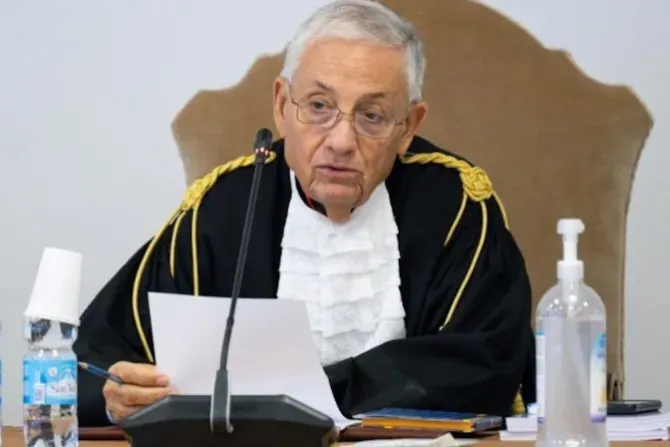
The president of the Vatican Court, Giuseppe Pignatone, is under investigation by the Italian judiciary for allegedly collaborating with the Mafia in the early 1990s.
Pignatone, 75, is known for his extensive career in the justice system. He was also deputy prosecutor for Palermo (Sicily) and Rome’s prosecutor. Since October 2019 he has been president of the Vatican Court.
On July 31, Pignatone was summoned to testify in court in Caltanissetta, Sicily, for alleged complicity and cover-up of the Italian Mafia organization La Cosa Nostra (“Our Thing”).
The events date back to 1992, when the Sicilian Mafia killed judges Paolo Borsellino and Giovanni Falcone.
On May 23 of that year, both anti-Mafia judges, along with their wives and several members of their escort, were killed when a bomb placed in their cars by the criminal organization’s hitmen exploded.
These judges were leading the fight against La Cosa Nostra, responsible for attacks, extortion, drug trafficking, and money laundering during the 1990s in Italy.
At the time, Pignatone was deputy prosecutor in Palermo and allegedly intervened to force the end of an investigation against the organization.
According to the Italian press, in his July 31 statement he claimed to be innocent of all charges and promised to cooperate with the justice system.
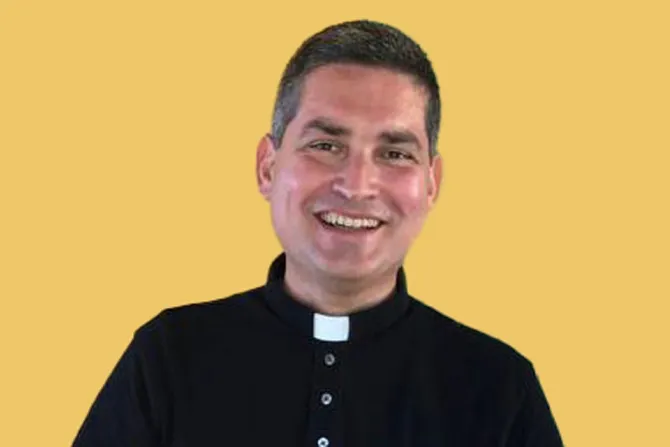
Blessed Giuseppe ‘Don Pino’ Puglisi
On Sept. 15, 1993, the Sicilian mob also took the life of Blessed Giuseppe “Don Pino” Puglisi, a Sicilian priest who, despite threats, had carried out a quiet fight against organized crime by educating young people in the impoverished area of Palermo, where he carried out his pastoral work.
Puglisi also preached against the Mafia, prohibited them from leading religious processions, and even gave hidden clues to the authorities about their latest activities in his homilies. After his death it was revealed that his life had been threatened on numerous occasions.
On Sept. 15, 1993, he was stopped on the street and shot in the neck at point-blank range by hitmen sent by local Mafia bosses Filippo and Giuseppe Graviano. He died from his wounds. Puglisi was declared a martyr by Pope Benedict XVI in 2012 and beatified in 2013.
This story was first published by ACI Prensa, CNA’s Spanish-language news partner. It has been translated and adapted by CNA.