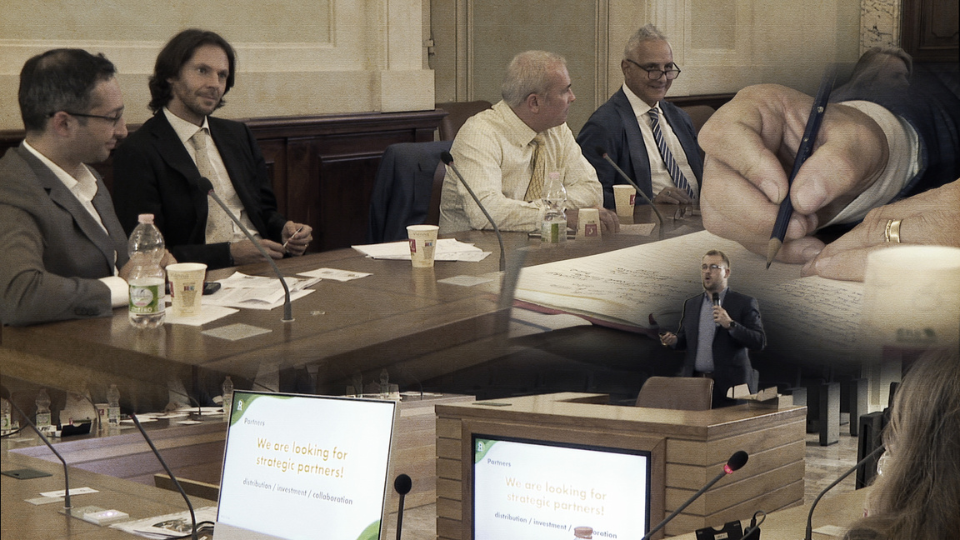
The July 14–16 summit is being held at the Borgo Laudato Si’ gardens at Castel Gandolfo.
The Vatican this week is hosting over 200 top academics, innovators, and Nobel laureates for a global summit on AI security risks, inspired by Pope Leo XIV’s encyclical Magnifica Humanitas.
The event, the Global Nobel Laureates Assembly on Artificial Intelligence and Nuclear War, is taking place July 14–16 at Borgo Laudato Si’, part of the Pontifical Gardens at Castel Gandolfo, where the pope is staying until July 27.
The summit is inspired by the pontiff’s recent encyclical on AI, “dedicated to the protection of the human person in the age of artificial intelligence,” according to a July 6 press release.
The event also includes discussions on nuclear disarmament and AI governance, and will culminate in the drafting of a declaration for “an unarmed and disarming peace in the age of artificial intelligence, nuclear and autonomous weapons, new digital protocols, and emerging models of digital development” at the Palazzo Senatorio, Rome’s city hall.
Some of the world’s leading universities, including Catholic universities such as the University of Notre Dame and The Catholic University of America, have also sponsored the three-day gathering.
AI governance and the threat of nuclear war
In his recent encyclical and several public addresses, Pope Leo XIV has warned about the threats posed by nuclear weapons and the misuse of artificial intelligence.
Alessio Pecorario, an organizer of the summit and founder of the Domus Communis Foundation, described the event as a response to the pope’s call for disarmament.
“Disarmament in the Church’s social doctrine is not only the disarmament of weapons, obviously, but also the disarmament of spirits; it is the disarmament of the economy,” Pecorario told EWTN News.
The conference “is about the governance of artificial intelligence,” he said. “This governance should be understood not as bureaucracy but as a collective of business, religious, and academic leaders, to help ensure that human beings remain in positive control of the challenges of our time.”
Javier Romero, Vatican correspondent for “EWTN Noticias,” contributed to this story. This article was originally published by EWTN News English.