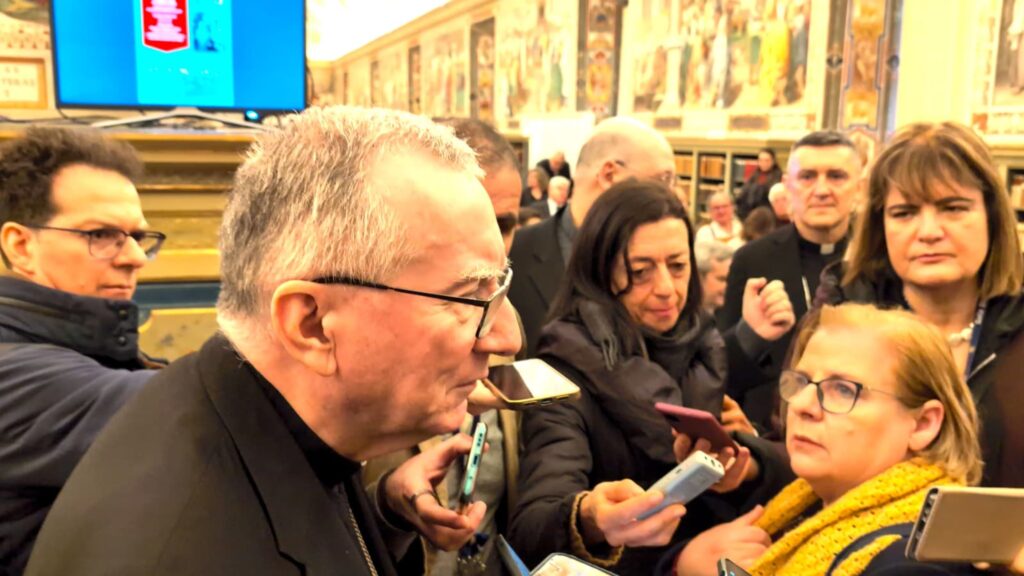
Cardinal Pietro Parolin also addressed tensions over the Traditional Latin Mass.
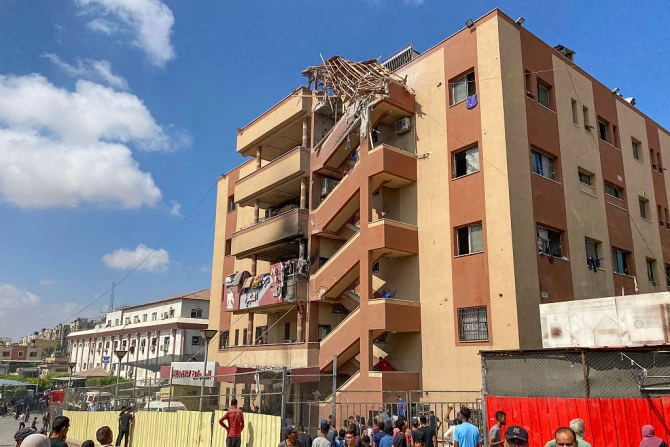
Cardinal Pietro Parolin, the Vatican secretary of state, said on Thursday that the U.S.-Israeli war on Iran does not meet the Catholic Church’s criteria for a just war.
“No, it does not seem to meet the conditions,” he told reporters on the sidelines of an academic conference at the Vatican Apostolic Library.
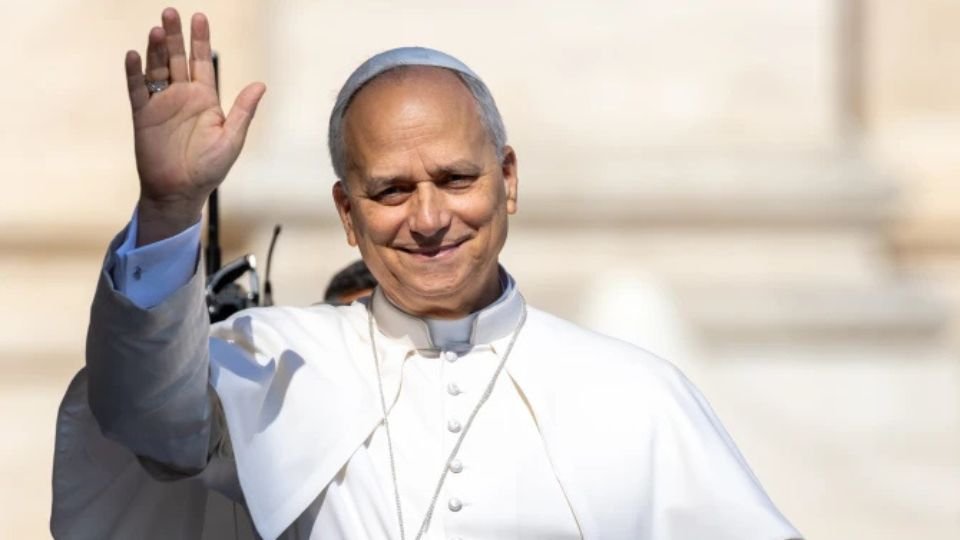
When asked by EWTN News about the decision of the United States to attack Iran, Parolin referred to recent remarks by Cardinal Robert McElroy, archbishop of Washington, D.C.
In an interview with his archdiocesan newspaper, The Catholic Standard, McElroy said the intervention in Iran failed to meet several conditions required by the Church’s teaching on just war, including that the benefits of this war will not “outweigh the harm which will be done.”
“He explained this point very well,” Parolin said, referring to McElroy’s statement.
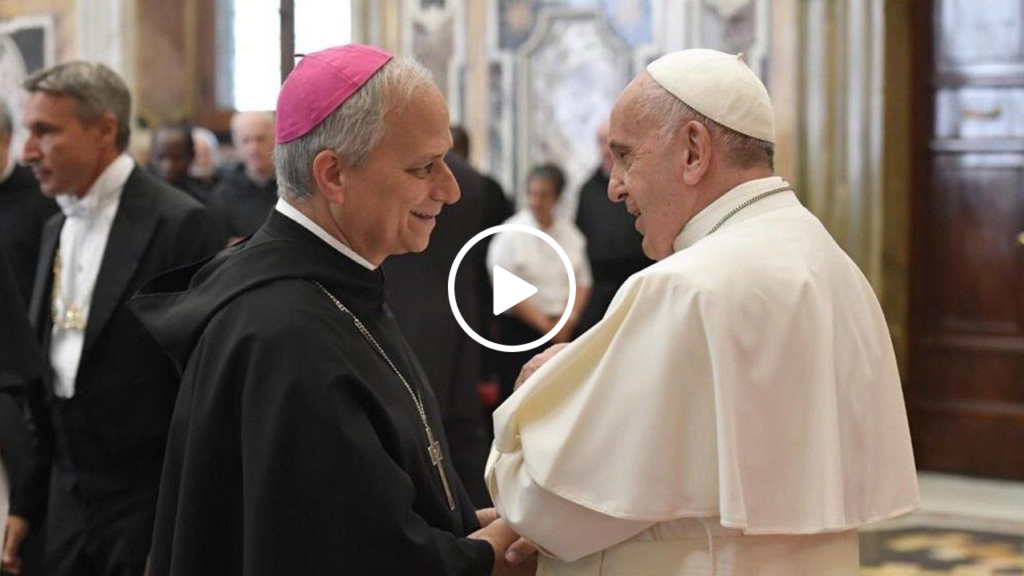
Parolin’s comments follow those of Pope Leo XIV in a statement given to journalists on Tuesday at Castel Gandolfo, the papal villa south of Rome, when he renewed his call for an unconditional ceasefire, saying that “death and pain caused by these wars is a scandal for the entire human family.”
Parolin was also asked about a letter he sent on behalf of the pope on Wednesday to the bishops of France, in which Leo encouraged them to be more inclusive of communities attached to the Traditional Latin Mass, which the pope said had become a divisive issue in the Church.
The debate over the Traditional Latin Mass has taken on fresh urgency in France in part because of the Society of St. Pius X, founded by French Archbishop Marcel Lefebvre and known for celebrating only the traditional liturgy. The SSPX said in February that it plans to consecrate bishops on July 1 without a pontifical mandate, a step canon law says carries automatic excommunication for both the consecrating bishop and the one ordained.
“The liturgy must not become a source of conflict and division among us,” Parolin said, without pointing to any specific solutions. “It will be necessary to find the formula that can meet legitimate needs. But I believe that, well, this can happen without turning the liturgy into a battlefield.”
This article was originally published on EWTN News English.