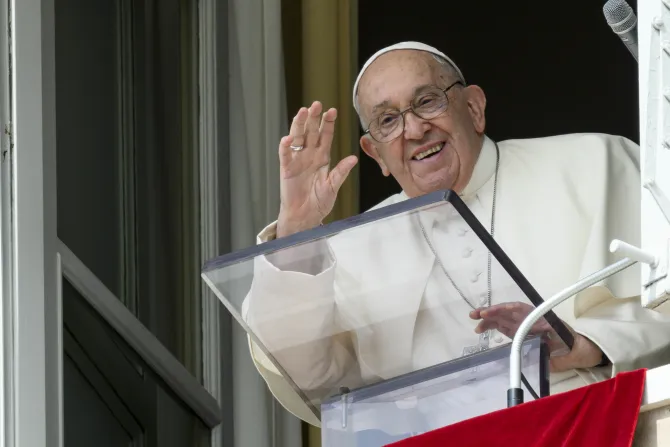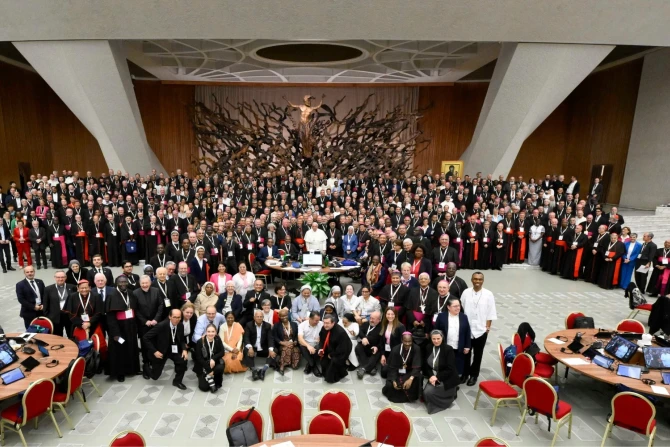
In a significant departure from previous synods, Pope Francis adopted the final document of the Synod on Synodality on Saturday, forgoing the traditional apostolic exhortation in favor of direct implementation of the assembly’s conclusions.
The 52-page document, approved by 355 synod members in attendance, outlines substantial proposals for Church renewal.
The proposals include expanded women’s leadership roles, greater lay participation in decision-making, and significant structural reforms.
Key developments
The document emerges from a two-year consultative process that began in 2021, incorporating 1,135 amendments from both collective and individual submissions.
Compared with its 2023 predecessor, the text presents more concrete recommendations and clearer structural guidelines.
The final document is organized into five main sections and calls for five forms of conversion: spiritual, relational, procedural, institutional, and missionary.
Structural reforms
Among the most significant proposals is a call for strengthening pastoral councils at parish and diocesan levels.
The document advocates for regular ecclesiastical assemblies across all Church levels — including continental — and heightened ecumenical dialogue.
The text introduces the concept of synodal authority while acknowledging that in “a synodal Church, the authority of the bishop, of the episcopal college, and of the bishop of Rome in regard to decision-taking is inviolable.”
“Such an exercise of authority, however, is not without limits,” the document adds.
On this view, the text calls for a revision in canon law, “clarifying the distinction and relation between consultation and deliberation and shedding light on the responsibilities of those who play different roles in the decision-making process.”
Women’s leadership
In a notable development, the document explicitly states there is “no reason or impediment” to prevent women from assuming leadership roles in the Church.
Furthermore, “the question of women’s access to diaconal ministry remains open,” and that discernment should continue.
The text advocates for increased female participation in clergy formation and broader involvement in Church decision-making processes.
Lay participation
The document significantly expands the role of lay faithful in Church governance. It calls for their increased presence in synodal assemblies and all phases of ecclesiastical decision-making.
New procedures for selecting and evaluating bishops and expanded lay participation in diocesan leadership and canonical processes are proposed.
Implementation phase
While Pope Francis has declared the synodal path “completed,” the document emphasizes that a crucial implementation phase lies ahead. This next stage will focus on integrating synodality as a “constitutive dimension of the Church.”
The text also addresses accountability measures, calling for enhanced financial transparency and protocols for abuse prevention, declaring: “The need within the Church for healing, reconciliation, and the rebuilding of trust has resounded at every stage of the synodal process.”
Background
The document represents the culmination of one of the most extensive consultative processes in Church history, building on both the 2023 assembly’s work and the broader synodal journey initiated by Pope Francis in 2021.
The exercise aimed to balance traditional Church teaching with contemporary pastoral needs while promoting greater inclusivity and transparency in Church governance.
This article was first published by ACI Prensa, CNA’s Spanish-language news partner, and has been translated and adapted by CNA.