Skip to content

Argentine Nuns to Inhabit Benedict XVI’s Final Abode at Pope Francis’ Request

The Vatican's Mater Ecclesiae Monastery, the last residence of Benedict XVI, will soon welcome a group of Benedictine nuns from Argentina

The Vatican’s Mater Ecclesiae Monastery, the last residence of Benedict XVI, will soon welcome a group of Benedictine nuns from Argentina, following an invitation from Pope Francis. Starting next January, six nuns from the Benedictine Order, currently residing at the Abbey of Santa Escolástica in Victoria, located in the Province of Buenos Aires within the Diocese of San Isidro, will move into the monastery.

The monastery was originally established by Saint John Paul II in 1994 as a contemplative female monastery within Vatican City, bearing the title Mater Ecclesiae. From its inception until 2012, it was home to four communities from the Order of Saint Clare, the Discalced Carmelites, Saint Benedict, and the Visitation of Saint Mary.

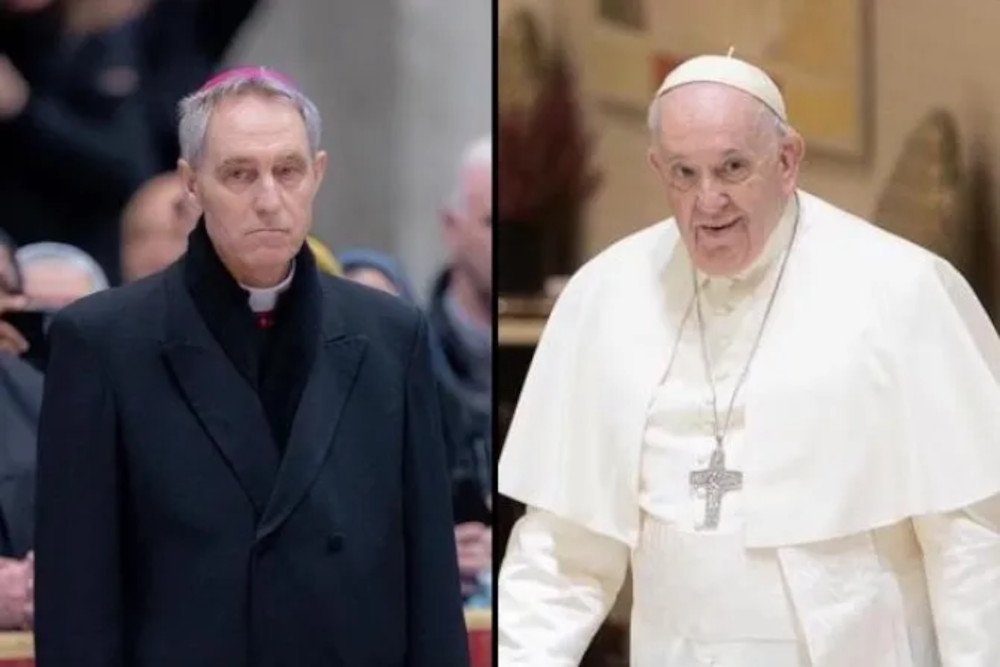
After Pope Benedict XVI’s resignation in 2013, Mater Ecclesiae became his residence, where he lived until his passing on December 31, 2022, along with Archbishop Monsignor Georg Gänswein and four consecrated women.

Pope Francis, through a handwritten letter dated October 1, has decided that the monastery should “return to its original purpose.” This means that contemplative orders will support the Holy Father in his daily care for the entire Church through prayer, adoration, praise, and reparation, thus becoming a silent, prayerful presence. Furthermore, the Vatican Governorate will be responsible for all matters related to the Mater Ecclesiae Monastery.

The Abbey of Santa Escolástica in Victoria was founded in 1941, with the construction of its temple beginning on the Solemnity of the Immaculate Conception, December 8, 1938, initiated by Father Andrés Azcárate, the prior of the Abbey of San Benito in Buenos Aires.

The future Argentine nuns were trained at the Abbey of Santa Maria in San Paulo, Brazil. In September 1941, the founding community, consisting of “four Brazilians with solemn vows, six Argentinians with temporary vows, and one converse sister,” arrived in Argentina. In 1946, the monastery was elevated to an Abbey, with Mother Plácida de Oliveira as its first abbess, succeeded by Mother Mectildis Cecilia Santangelo after her death in 1948. In 1977, Mother María Leticia Riquelme was appointed abbess and subsequently established three more foundations in Argentina.

This article was originally published on ACI Prensa. 

Receive the most important news from EWTN Vatican via WhatsApp. It has become increasingly difficult to see Catholic news on social media. Subscribe to our free channel today

Share

Would you like to receive the latest updates on the Pope and the Vatican

Receive articles and updates from our EWTN Newsletter.

More news related to this article

A new(ish) statute for the Vatican bank: Here’s what it means

Pope Francis on Tuesday issued a new statute for the so-called Vatican bank (officially the Institute for Religious

Pope Francis adds Coptic Orthodox martyrs to liturgical book of saints

Pope Francis receives relics of the Coptic martyrs from Pope Tawadros II, the head of the Coptic Orthodox Church of Alexandria, May 11, 2023. Pope Francis also announced that the 21 men will be added to the Church’s official list of saints.

Catholic Humanitarian Initiatives at the Frontlines in Ukraine

Discover how the Catholic Church, led by figures like Pope Francis and community organizations, brings solace and aid to the victims of Ukraine's ongoing conflict, aiming for a future of peace and reconciliation.

Pilgrims of Hope Amidst Crisis: Archbishop Fisichella on the 2025 Jubilee

With 32 million expected for the Jubilee Year, the Archbishop discusses preparations, his hopes for conversion, and why ‘we are all pilgrims of hope.'

Pope thanks Cardinal Burke, who clashed with Francis, for 50 years of priestly ministry

Pope Leo XIV has written a warm and detailed letter to Cardinal Raymond Burke, thanking the American cardinal for 50 years of priestly ministry, in a gesture that marks a shift in tone following years of tension between Burke and Pope Francis.
The news app for Vatican City State, developed with support from the family of St. Carlo Acutis. | Credit: Vatican City State/Screenshot

St. Carlo Acutis’ parents helped develop new Vatican City State app

The parents of St. Carlo Acutis contributed to the development of a new official news application connected to

LIVE
FROM THE VATICAN

Be present live on EWTNVatican.com