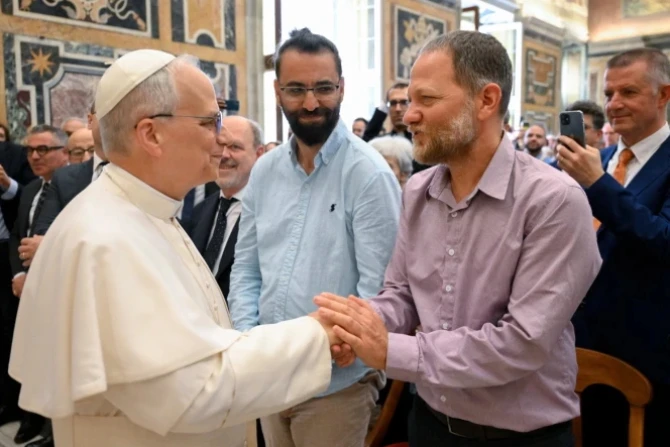
Father Miguel Silvestre explains his role in facilitating the bishops’ ad limina visits to the Holy See and what they entail, with a focus on the recent visit by the bishops of Puerto Rico.
Last week, the “ad limina apostolorum” visits began at the Vatican. These official pilgrimages to Rome are undertaken by all the bishops of the world, usually organized by episcopal conferences, to renew their communion with the See of Peter.
The expression “ad limina apostolorum” comes from Latin and means “to the thresholds of the apostles.” During this time, the bishops visit the tombs of the apostles Peter and Paul, as well as the various dicasteries of the Vatican, ending their pilgrimage with a meeting with the pope.
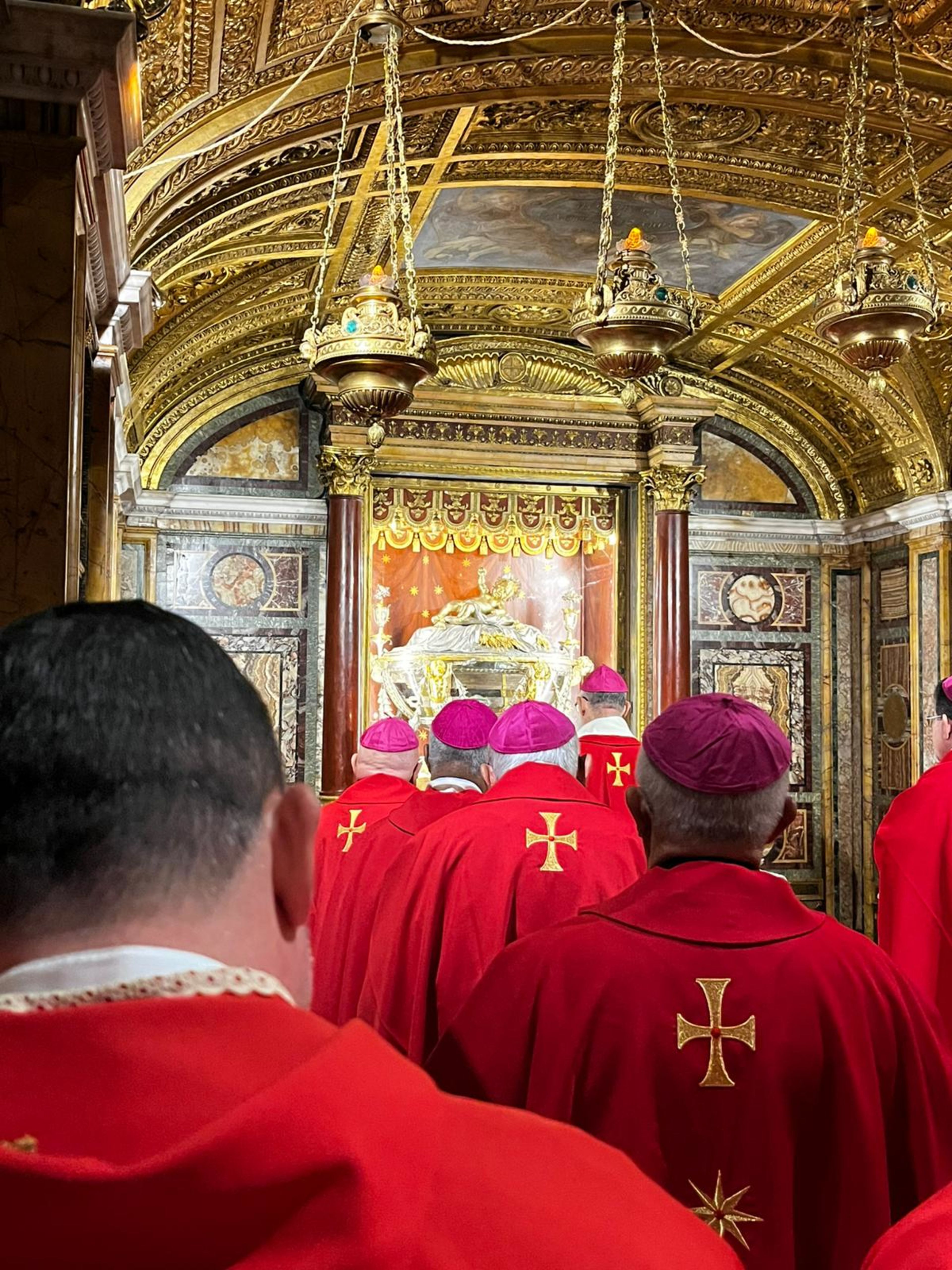
Bishops pray before the tomb of St. Peter during their ad limina visit. | Credit: Father Miguel Silvestre
When do they take place?
From a canonical perspective, these visits should take place every five years; however, in practice, they are usually spaced out every seven or eight years or even longer, due to the large number of bishops and various circumstances. Among these, the COVID-19 pandemic caused a significant disruption to the regularity of the visits, which are also suspended during jubilee years.
Father Miguel Silvestre of the Work of the Church, an institution of pontifical right, is entrusted with the mission of welcoming the prelates and facilitating their stay in the Eternal City as much as possible.
“We organize their travel schedules and accompany the bishops to the various basilicas and to their meetings at the different dicasteries,” the young Spanish priest explained to ACI Prensa, the Spanish-language sister service of EWTN News.
Silvestre said the fact that the bishops can travel from one place to another with no worries is a great relief for them and makes their visit more efficient and comfortable because “they often don’t know their way around Rome very well or find it difficult.”
“Those of us who live in Rome,” he added, “know the chaos this city entails, and coming from afar, having someone to guide and accompany you provides great peace of mind.”
The priest emphasized the importance of the ad limina meetings, where “the ecclesial and hierarchical communion of the entire episcopate of a country is manifested in a concrete way, as particular [local] Churches, among themselves and with the universal Church, through their union with the Holy Father.”

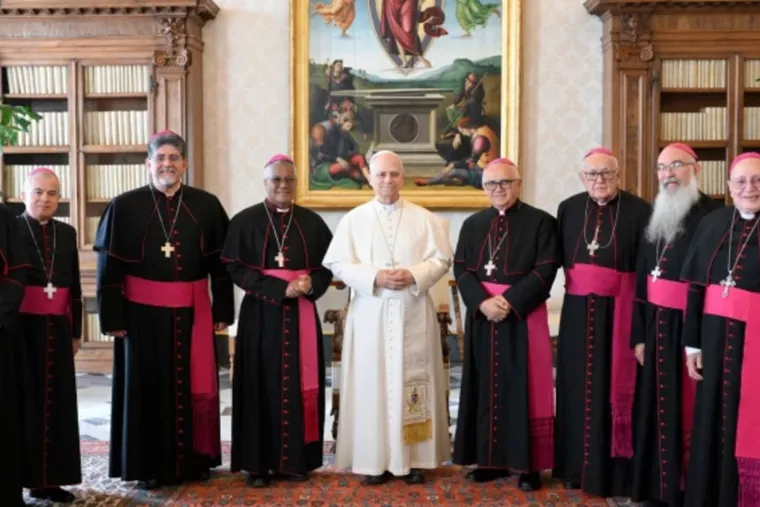
Pope Leo XIV meets with the bishops of Puerto Rico on Jan. 23, 2026, at the Vatican. | Credit: Vatican Media
The origin of the ad limina visits
Although there is no specific date for the institution of the ad limina visit, Silvestre noted that many accounts trace its origin back to the fourth century.
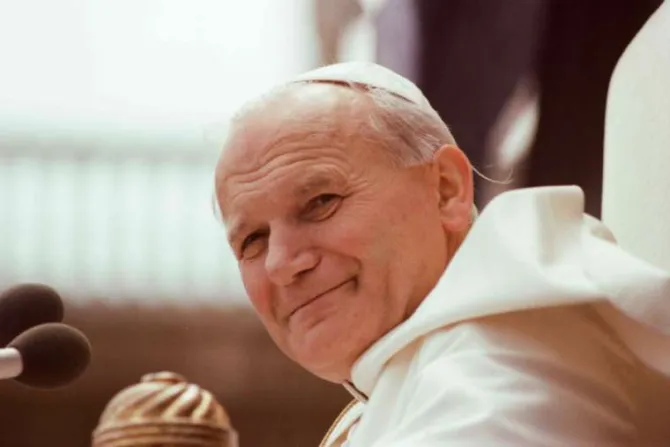
In the sixth century, the obligation of the ad limina visit properly began and was later extended universally, with various regulations, until it was formally established by canon law as it exists today. “It was St. John Paul II who gave a new and renewed impetus to this type of visit by bishops with the Holy Father,” Silvestre explained.
Who organizes them?
The meetings are organized by the Dicastery for Bishops and the Dicastery for Evangelization in the section for the Evangelization of Peoples and in collaboration with all the dicasteries. “The structure has varied throughout the centuries,” the Spanish priest added.
In addition, the bishops work on different documents for years, which they then send to the dicasteries, before discussing the topics presented. “It’s a way of evaluating the situation of each particular Church and then receiving advice or assistance from the dicasteries to continue carrying out the mission that the Lord has entrusted to the bishops,” explained Silvestre, who emphasized that the prelates “leave these meetings feeling very grateful.”
An example of this is the testimony of Bishop Alberto Figueroa, who has served as bishop of the Diocese of Arecibo in Puerto Rico since 2022. On Jan. 23, he concluded his first ad limina visit along with eight other bishops from the island.
In a conversation with ACI Prensa after the meeting with Pope Leo XIV, he described his experience as “surprisingly good and beautiful,” acknowledging that bishops are naturally a little nervous when visiting the Holy See.
He also emphasized that the reception at the dicasteries was “absolutely wonderful,” where they found staff “ready to listen.” For the Puerto Rican prelate, the meeting with the pope was “the icing on the cake.”
What topics are discussed?
The topics discussed vary depending on the country’s situation and the bishops’ conference, such as evangelization, the situation of the clergy, vocations, social and political issues, and the various problems or challenges the bishops are facing.
Figueroa explained that he and the other bishops of Puerto Rico had the opportunity to convey the challenges facing the Church in their country: “We have a very sharp decline in the birth rate, emigration to the United States, and also the issue of gender ideology and other aspects that are having their impact everywhere,” he explained.
However, he emphasized that “the Catholics there continue to live their faith, and it is growing stronger. People feel committed to their Church, they love their Church, and they are interested in understanding the processes leading us to be a synodal and missionary Church.”

The Puerto Rican bishops meet with Pope Leo XIV for their ad limina visit on Jan. 23, 2026. | Credit: Vatican Media
The meeting with the pope
Regarding the Puerto Rican bishops’ meeting with Pope Leo XIV on Jan. 23, Figueroa said the Holy Father “strongly emphasized the importance of continuing to work very, very closely on family issues. It’s clear that this is a very strong concern for him. He told us to continue this work, always taking into account the family, its involvement, its needs, and the guidance that families require.”
“He was very approachable, listened attentively, and was evidently very discreet in his comments. He understood what we were telling him. I believe that the Church truly continues to be blessed by the Lord through [this] pontificate,” he emphasized.
Of the bishops’ meeting with the Holy Father, Silvestre said they left “very happy, renewed, full of hope, and strengthened.”
The prelate expressed his gratitude for the welcome they received from the Work of the Church during their stay in Rome and said they felt “very edified: They have gone above and beyond for all of us in a fantastic way.”
What difficulties do bishops encounter when they arrive in Rome?
Silvestre emphasized that Rome is not an easy city: “The difficulties, especially for bishops who come from abroad and haven’t studied in Rome, can be the language and sometimes the cold, as is the case these days for the bishops from Puerto Rico.”
“But it’s also true that most adapt very well, even though the visit’s schedule is very demanding, with many formal and informal meetings, and they end up being tired,” he commented.
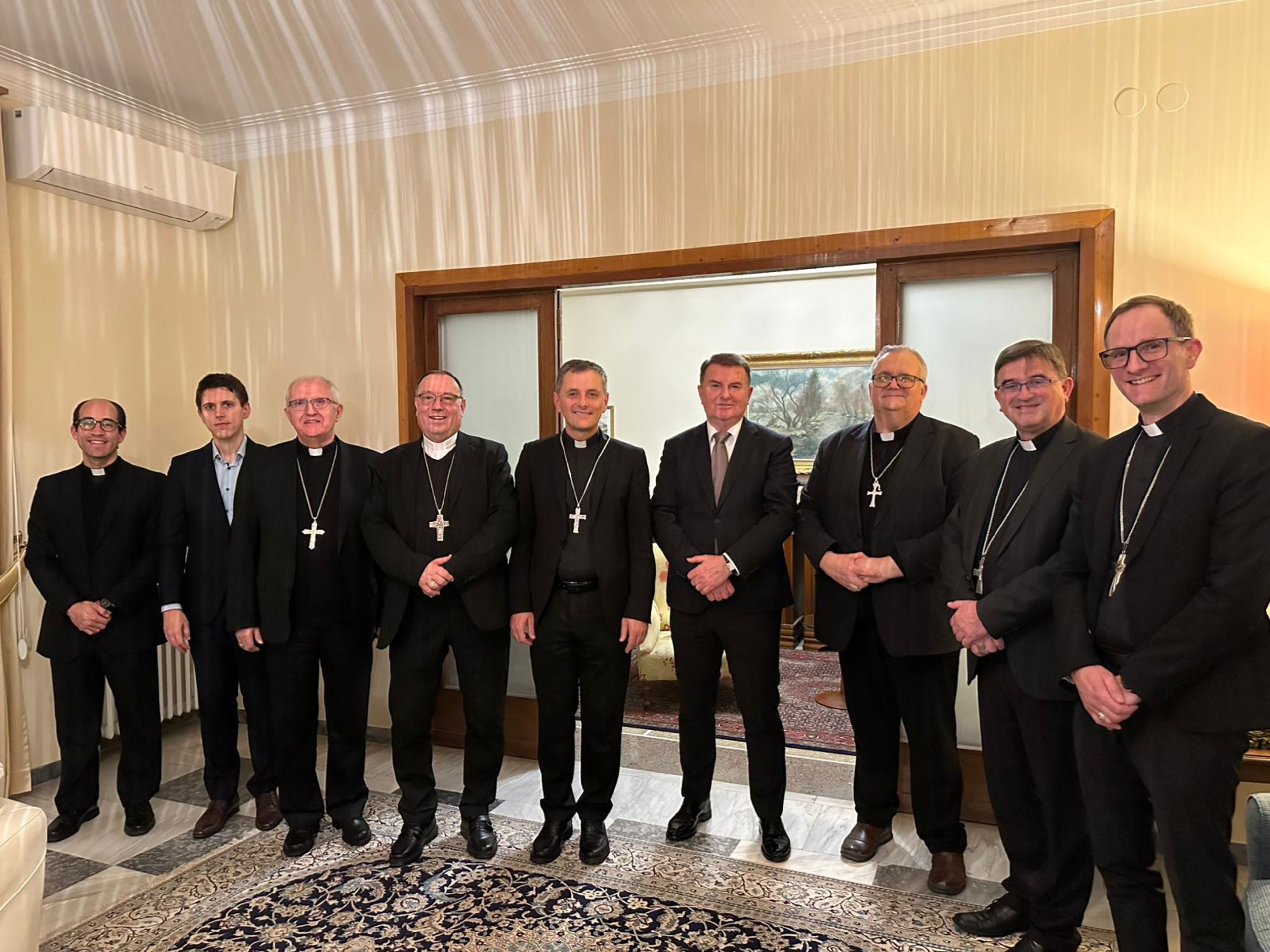
Father Miguel Silvestre (left) with the bishops of Slovenia. | Credit: Photo courtesy of Tilen Vesenjak
Meeting more than a thousand bishops
During his years of service, Silvestre has met more than a thousand bishops. “Having spent so many hours with them, there are many anecdotes,” he commented.
He shared with ACI Prensa some of the stories that have “touched his heart” the most: those of the bishops from mission territories, in the Amazon, Papua New Guinea, or in some parts of Africa.
“The stories they tell are truly impressive. There are bishops who have to travel for several days by boat to reach the most remote communities in their dioceses. Others have to travel on foot for hours and hours to visit communities in the middle of the jungle, where there are no other means of access due to the type of terrain.”
He also recalled the harsh experiences of those who live in areas where Christians are persecuted. “Bishops who have suffered greatly in their dioceses, witnessing the kidnapping of some of their priests, seeing people murdered, or suffering from war, hunger, and the misery of their people. I even know a bishop who was kidnapped by drug traffickers, and another who was imprisoned,” he revealed.
Silvestre said he feels “obligated to pray for them and for their dioceses, and to continue offering my life for the Church, especially for the pope and the bishops.”
“I believe this is something that needs to become part of the consciousness of all Christians: to pray for our bishops, for all of them, because they are the successors of the apostles, the pillars of the Church, and they also need our support, both human and spiritual,” he emphasized.
This story was first published by ACI Prensa, the Spanish-language sister service of EWTN News. It has been translated and adapted by EWTN News English.