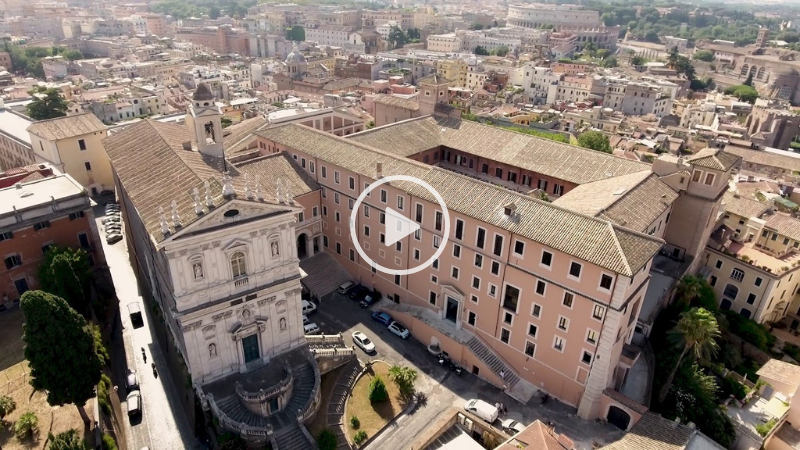
The Pontifical University of Saint Thomas Aquinas, ‘also known as’ Angelicum , located in Rome, hosted a one-day conference on Wednesday, March 1st, focused on exploring the relationship between members of the Catholic and Jewish faiths. The event, which drew experts from around the world, sought to examine the challenges that have arisen since the end of the Second Vatican Council in the 1960s.
The conference was organized by the university’s Center for Catholic-Jewish Studies, which is committed to promoting interfaith dialogue and understanding. Among the topics discussed were the theological and historical roots of the relationship between Catholics and Jews, the challenges and opportunities presented by the post-Vatican II era, and the future prospects for collaboration and cooperation.
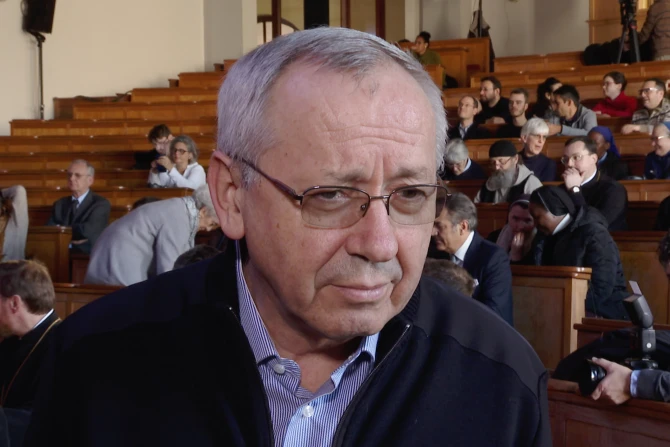
Dr. Matthew Tapie, Associate Professor of Theology and Director of the Center for Catholic-Jewish Studies at Saint Leo University in Florida, was one of the speakers at the conference. In this interview, he shared his thoughts on some of the highlights of the event and the importance of interfaith dialogue.
According to Dr. Tapie, the most important and symbolic moment for dialogue between Catholics and Jews since Vatican II was the 1986 meeting between Pope John Paul II and Chief Rabbi Elio Toaff of Rome. This historic encounter, which took place in Rome’s Great Synagogue, marked a significant milestone in Catholic-Jewish relations and set the stage for further dialogue and collaboration.
Dr. Tapie emphasized that Vatican II was a crucial starting point for Catholic-Jewish relations, as it marked a significant shift in the Church’s approach to interfaith dialogue. Prior to the Council, Catholic teaching had often been seen as hostile to Judaism, but Vatican II sought to emphasize the commonalities between the two faiths and promote a spirit of mutual respect and understanding.
Looking to the future, Dr. Tapie expressed his hope that Catholic-Jewish relations will continue to strengthen and deepen. He emphasized the importance of ongoing dialogue and collaboration, as well as a commitment to addressing the challenges and obstacles that still exist.
In conclusion, the conference hosted by the Pontifical University of Saint Thomas Aquinas, ‘also known as’ Angelicum, was an important opportunity for experts from around the world to explore the relationship between Catholics and Jews in the post-Vatican II era. Through thoughtful dialogue and engagement, participants were able to deepen their understanding of the challenges and opportunities presented by interfaith relations and chart a path forward for continued collaboration and cooperation.