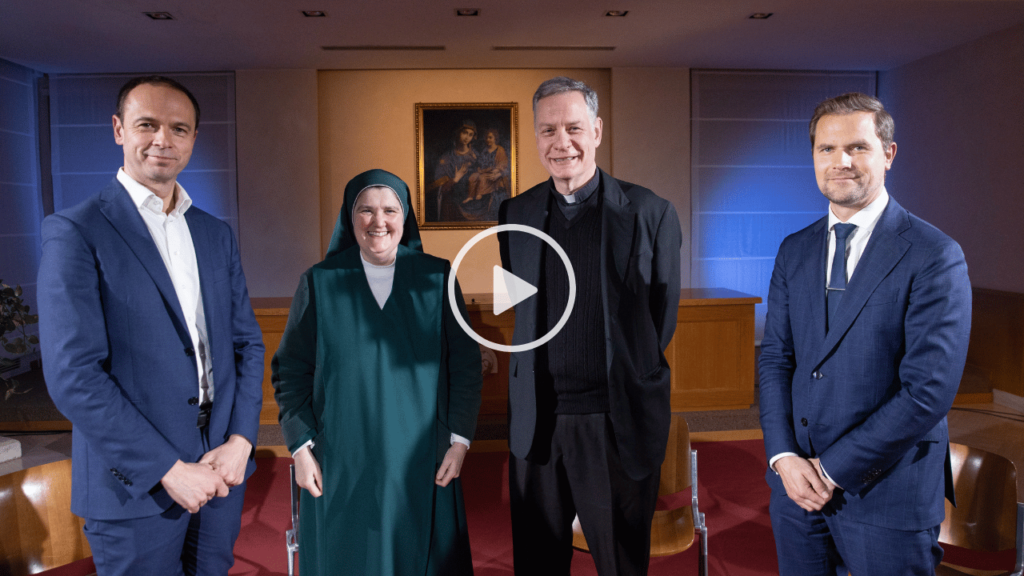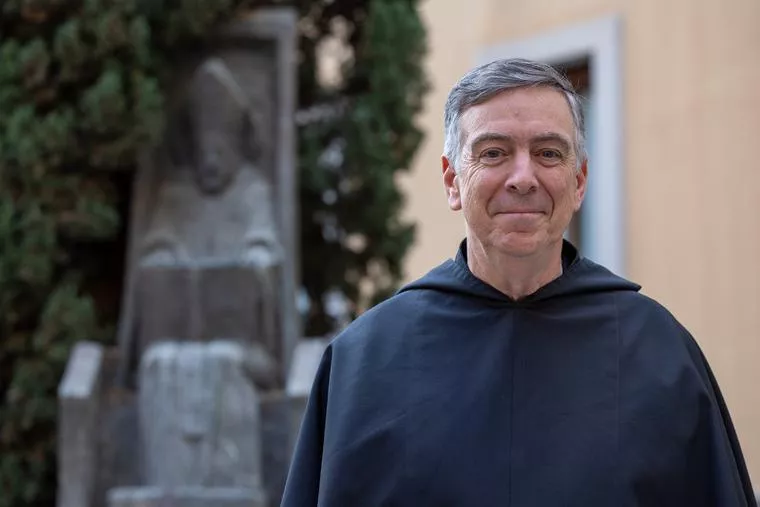
Father Joseph Farrell describes the Holy Father as a man of prayer, as systematic, and as having a great sense of humor.
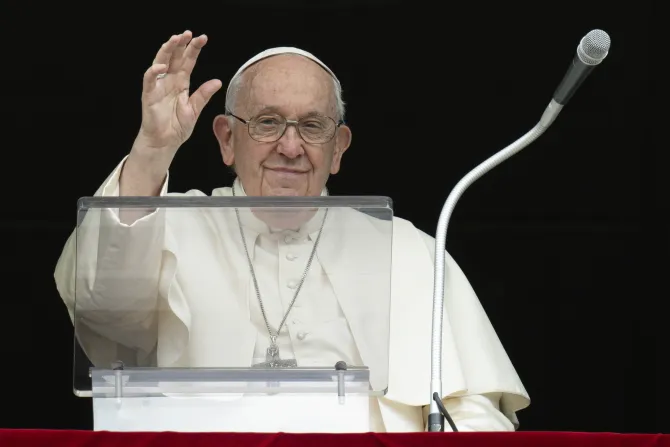
ROME — At the Easter vigil, Pope Leo XIV referenced the writing of his patron, St. Augustine, about the Risen Christ and the faithful’s call as Christians.
“Let us repeat what St. Augustine said to the Christians of his time: ‘Proclaim Christ, sow…, spread everywhere what you have conceived in your heart’ (Sermon 116, 23-24),” Leo said in his homily during his first papal observance of Easter.
Almost one year into the pontificate of Pope Leo, the leader of the Augustinian Order said the religious group is experiencing a “Leo effect,” including an uptick in requests to join, and offered insights into the first Vicar of Christ who is an Augustinian and who has often quoted the founder of his order in the course of the last year.
“Now there’s a spotlight that we’re still getting used to. It’s unchartered territory for us,” Augustinian Father Joseph Farrell told EWTN News during an interview at the order’s headquarters just outside St. Peter’s Square in Rome.
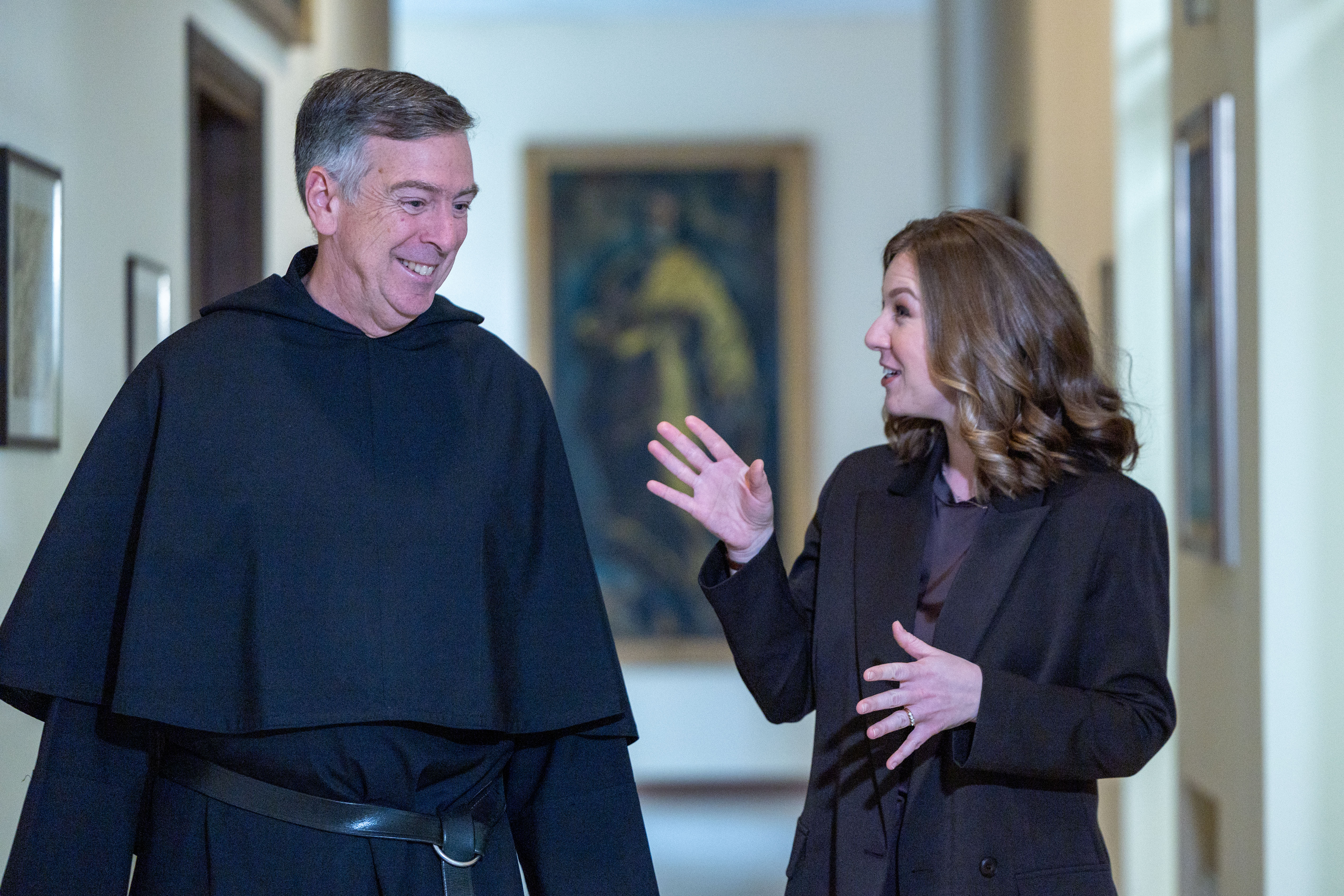
“We’re seeing a growth in interest. People are learning more about not only the Augustinians, but … researching who St. Augustine is,” he added. “We hope it continues for a long time.”
Father Farrell told the Register that data was not available for the order as a whole. However, there were more than 30,000 hits on the vocation website of the Augustinians of North America in May 2025 during the first week after Leo’s election, plus more than 300 individual inquiries (compared with the usual 50 to 60 a year), according to Father Tom McCarthy, vocations director for the Midwest Augustinians, the province of which Pope Leo was a member.
Father Farrell recalled the moment Cardinal Robert Prevost was presented to the world as Pope Leo XIV on May 8, 2025. Stepping out onto the loggia of St. Peter’s Basilica, the new Pope described himself as “a son of St. Augustine.”
“Certainly, our chests pushed out a little bit. We were very proud of that and still are,” he said.
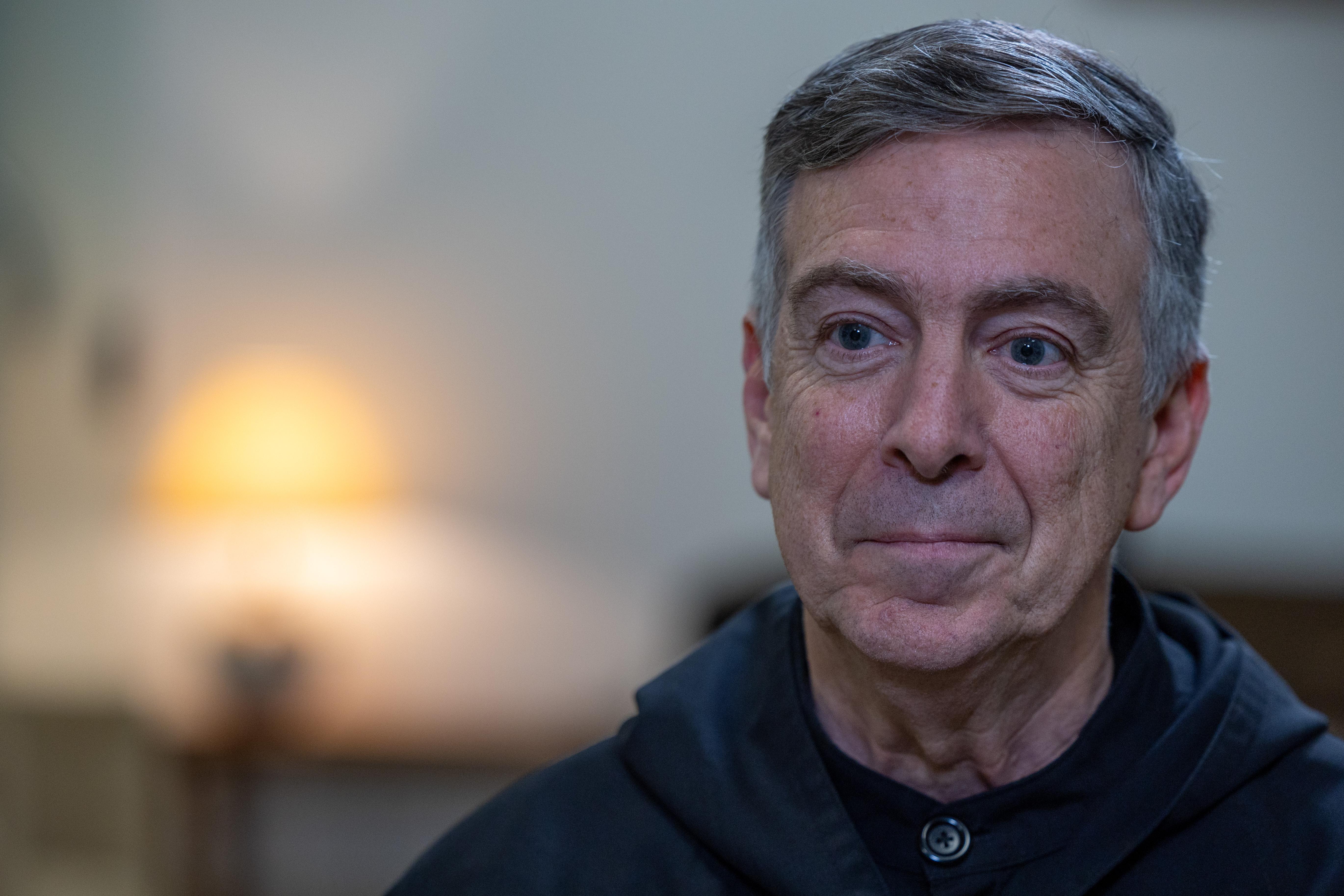
The Pennsylvania-born priest was elected prior general of the Augustinians in September 2025; it is a position Pope Leo also filled from 2001 to 2013.
The Order of St. Augustine first formed nearly 800 years ago, composed of a union of religious communities following the Rule of St. Augustine. Today some 2,800 men and women are members, spread across 47 countries.
Traveling the World as Prior General
Father Farrell told EWTN News the main responsibility of the Augustinian prior general “is assisting our brothers and our sisters throughout the world in coming to an understanding of what it means to be one.”
“I get that kind of 30,000-foot view … of looking at where we are in the 50 different countries throughout the world,” Father Farrell said. The job includes visiting the order’s communities, “encouraging each of us to continue to live out the vocation that we profess to live.”
The prior general pointed out that in one continent in particular, the order is growing: Africa, where they have communities in Nigeria, Kenya, Tanzania, South Africa, Togo, South Sudan and Algeria.
“A very important presence that we have is in the Diocese of Annaba, which was ancient Hippo,” where St. Augustine was bishop, Father Farrell said. The Basilica of Peace, which Pope Leo will visit on April 14, overlooks the ancient ruins of the basilica where St. Augustine preached.
Sons of St. Augustine
Father Farrell — who has known Leo since the mid-1980s, when he was in formation and “Father Bob” was a new priest — said he thinks the Pope cannot help but bring his formation as an Augustinian into his papacy.
“We are founded as Augustinians to be a community based on mutual sharing of everything and taking those opportunities to help each other along the way to God,” Father Farrell explained. “Sometimes that means fraternal correction; sometimes it means just being present to listen … but also to share what’s going on in the inner stirrings of my soul, my life.”
Over nearly four decades in the order, Father Farrell said his “eyes were opened to realize that the Augustinians” are dedicated to many different ministries: “Along with teaching, we’re in pastoral ministry, we’re in counseling, advocacy work, missionary work,” he explained.
“When we were established as the Order of St. Augustine in the year 1244, we were established to respond to the needs of the world and the Church at any particular moment in history,” he said. “So that’s what we do: We respond.”
A Man of Prayer
Father Farrell has many different memories of the new Pope. When then-Father Prevost was provincial prior of the Province of Our Mother of God in Chicago from 1999 to 2001, the two would sometimes meet at regional youth gatherings.
Father Prevost “was really interested in helping [young adults] to form themselves as Christians and coming to an understanding of who they are as a young person, as a member of the Church,” Father Farrell said.
Father Farrell also described the Pope as a man of prayer, as systematic, and as having a great sense of humor.
“Someone once asked me if he’s timid. I said, ‘No, I don’t see him as timid.’ Perhaps [he is] a person who needs time to recharge his batteries when he’s with big groups,” Father Farrell said, adding that Leo recognizes when he needs personal time to listen to the Lord before addressing others.
Their lives crossed again when Leo became prefect of the Dicastery for Bishops at the start of 2023. Father Farrell was then vicar general, the No. 2 position, in the Augustinian Order.
Bishop (and later Cardinal) Prevost, did not live at the general curia of the Augustinians, but he twice daily walked two minutes down the street from his residence in the building of the Dicastery for the Doctrine of the Faith to pray morning prayer and have breakfast with his brothers. Later he would return for lunch from his office just outside St. Peter’s Square.
“I saw it was a real priority for him to continue to maintain that sense of connection with community,” Father Farrell said.
The prior general said his favorite memories from that time include walking into the chapel in the morning and seeing Bishop, and later Cardinal, Prevost in prayer: “He was always in the chapel before any of us.”
This article was originally published by EWTN News English.