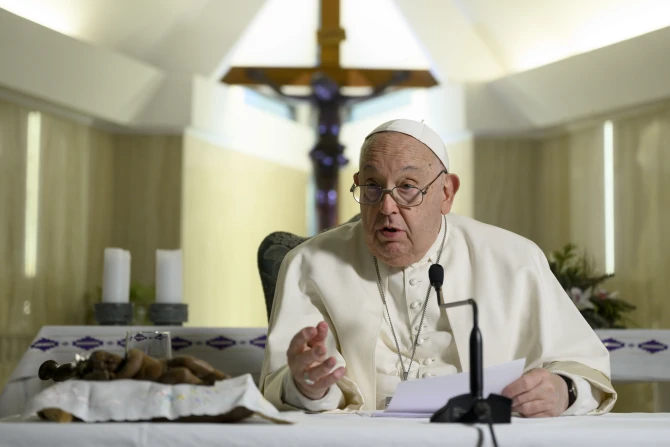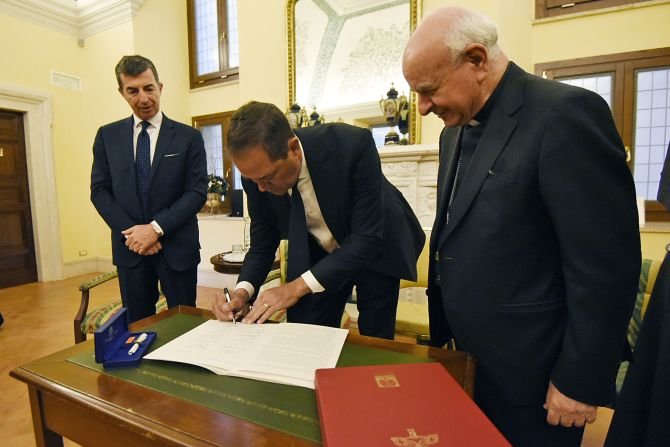
The CEO of Cisco Systems signed the Vatican’s artificial intelligence ethics pledge on Wednesday, becoming the latest technology giant to join the Church’s call for ethical and responsible use of AI.
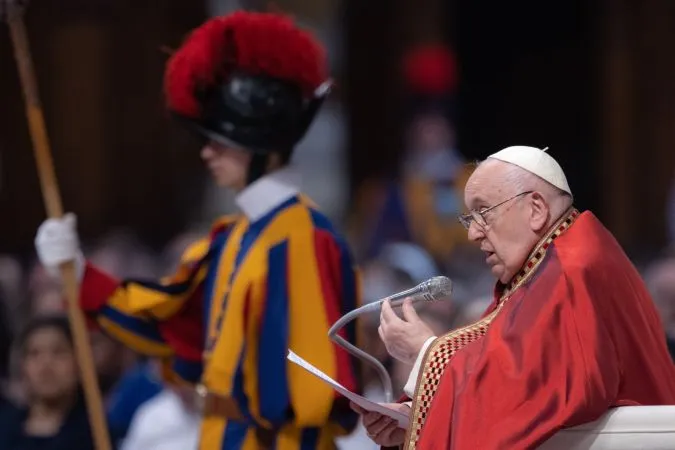
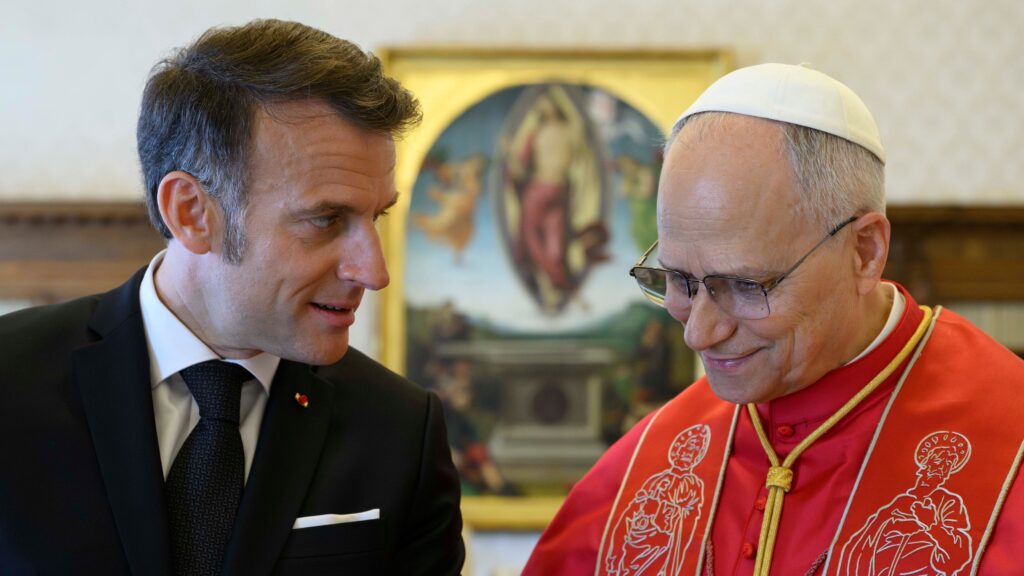
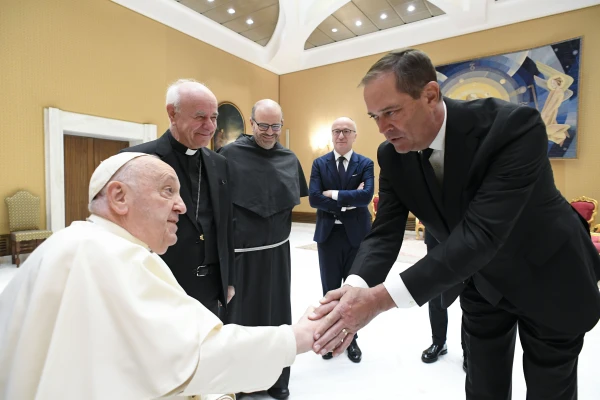
Chuck Robbins, the chief executive of the multinational digital communications conglomerate, met privately with Pope Francis on April 24 before signing the Rome Call for AI Ethics, a document by the Pontifical Academy for Life.
The document, first published by the pontifical academy in February 2020, has previously been signed by Microsoft President Brad Smith and IBM Executive John Kelly III.
The Rome Call underlines the need for “algor-ethics,” which, according to the text, is the ethical use of artificial intelligence according to the principles of transparency, inclusion, accountability, impartiality, reliability, security, and privacy.
The text quotes the Universal Declaration of Human Rights in pointing to the equal dignity and rights of all humans, which AI must protect and guarantee, it says, while calling equally for the “benefit of humanity and the environment.”
It states there are three requirements for “technological advancement to align with true progress for the human race and respect for the planet” — it must be inclusive, have the good of humankind at its core, and care for the planet with a highly sustainable approach.
Robbins said that “the Rome Call principles align with Cisco’s core belief that technology must be built on a foundation of trust at the highest levels in order to power an inclusive future for all.”
Years before the widely popular release of the GPT-4 chatbot system, developed by the San Francisco start-up OpenAI, the Vatican was already heavily involved in the conversation of artificial intelligence ethics, hosting high-level discussions with scientists and tech executives on the ethics of artificial intelligence in 2016 and 2020.
The pope established the RenAIssance Foundation in April 2021 as a Vatican nonprofit foundation to support anthropological and ethical reflection of new technologies on human life.
Pope Francis also chose artificial intelligence as the theme of his 2024 peace message, which recommended that global leaders adopt an international treaty to regulate the development and use of AI.