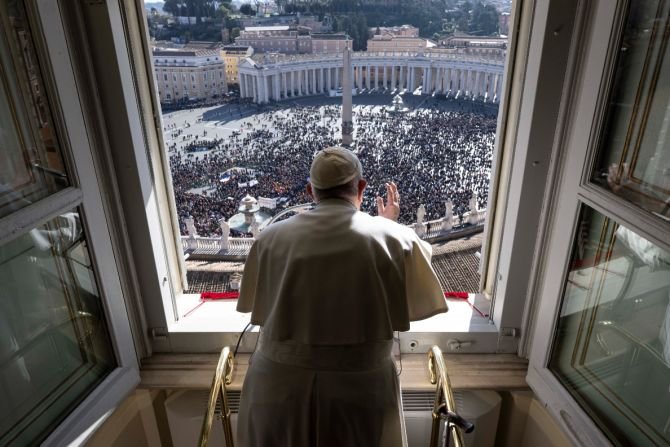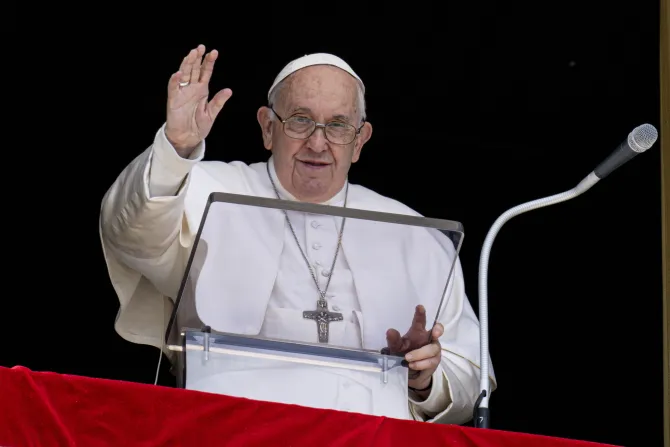
By deciding to leave the hospital as soon as possible last month and immediately showing himself standing and not in a wheelchair, Pope Francis wanted to send out two signals. The first is that, despite the infirmities of his age, he still manages and intends to govern, and therefore one should not even think of a shadow papacy. The second is that no one can decide how the liturgies will be managed.
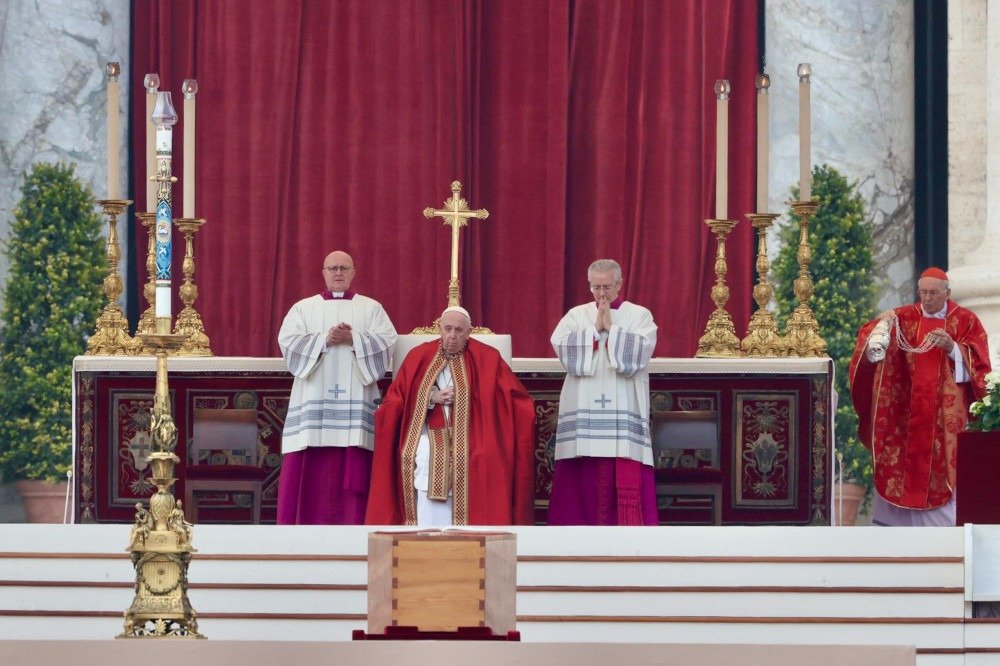
Indeed, during Pope Francis’ hospitalization, Cardinal Giovanni Battista Re, dean of the College of Cardinals, had made it known that the cardinals had already defined who would celebrate the Masses of the Easter holidays and that the pope would eventually “attend” these celebrations. Instead, Pope Francis presided over the festivities himself while maintaining the custom of letting another celebrant at the altar perform the rites that his mobility no longer allows him to perform.
These two actions underscore that Pope Francis will continue to decide on the life of the Church, carrying forward his reform project, which still seems unfinished, but also outlining the profile of the College of Cardinals, which will have to elect his successor.
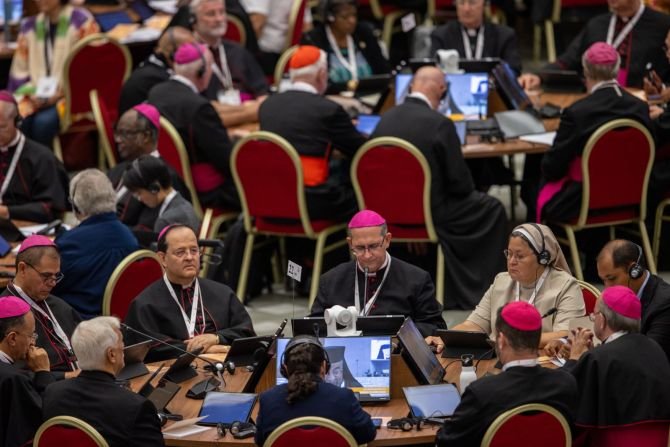
After the August 2022 consistory, there were 132 cardinal electors, and 62% of them had been created by Pope Francis. Currently, there are 123 cardinal electors; of these, 81 were created by Pope Francis, which is 65%.
However, by the end of 2023, nine of these cardinals will turn 80 and, therefore, will no longer be able to enter any conclave. Thus, there will be 114 cardinal electors, 68% of whom were created by Francis.
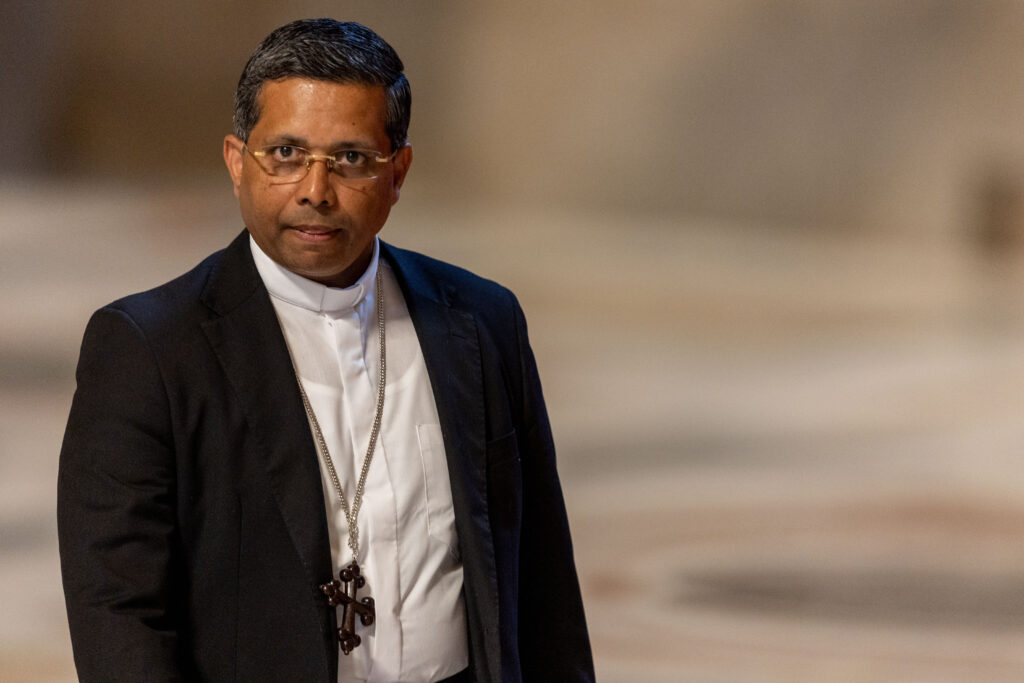
Yet the rumors speak increasingly insistently of a new consistory by the end of the year, if only at least for those cardinals with a position that Francis deems important. Indeed, Pope Francis has made his direct collaborators cardinals, and there will be at least two dicastery prefects who are not yet cardinals: Archbishop Claudio Gugerotti, prefect of the Dicastery for the Eastern Churches, and Bishop Robert Prevost, prefect of the Dicastery of the Bishops.
The pope would thus have a Roman Curia with all the heads of departments appointed as cardinals. Furthermore, Pope Francis will also have to appoint a new prefect for the Dicastery of the Doctrine of the Faith, a crucial appointment if one considers that the new prefect will have to deal with complex dossiers such as the synod of the Church of Germany. By the end of January, the name of the German bishop Heiner Wilmer of Hildesheim had been circulated as the new prefect. The appointment, however, has not yet materialized, and it is not sure that it will happen soon, nor that that will be the name chosen by Pope Francis.
Whatever happens, it is clear that by the end of the year, Pope Francis could have a college of cardinals modeled on his preferences and a Curia entirely in his image and likeness. At that point, he would need to carry out at least the reform of the Universi Dominici Gregis, the apostolic constitution that regulates the vacant see and the election of the new pontiff. Promulgated by St. John Paul II in 1996, this document needs to be harmonized with the apostolic constitution Praedicate Evangelium, particularly regarding some details, such as the certification of the pope’s death. Currently, the certification belongs to the Camerlengo and the secretary of the Apostolic Camera, but the new constitution abolished the Apostolic Camera. Another consideration is talk of an amendment to the constitution, which could give more weight to the cardinal electors during the sede vacante.
Why is this important? Because it is by means such as these that a pope can project his vision of the Church beyond his pontificate. When one considers the possibility of a new consistory, a redefinition of the top ranks of the Roman Curia, and the possible reform of the regulation of the vacant see, it is only natural to ask: Could Pope Francis also have an impact on the choice of his successor?