ANALYSIS: Despite a Christian legacy that goes back 1,000 years, Lebanon, awaiting Pope Leo XIV’s visit, is a country on edge.
In 1099, as the Christian army led by a papal legate passed along the rugged coastal road toward Jerusalem, they encountered a strong and friendly people, the Maronite nation, who, as William of Tyre wrote, rendered great service “concerning our many and significant interests with our enemies.”
This moment, during the First Crusade, marks perhaps the most famous early contact between a papal enterprise and what are now the Christians of Lebanon.
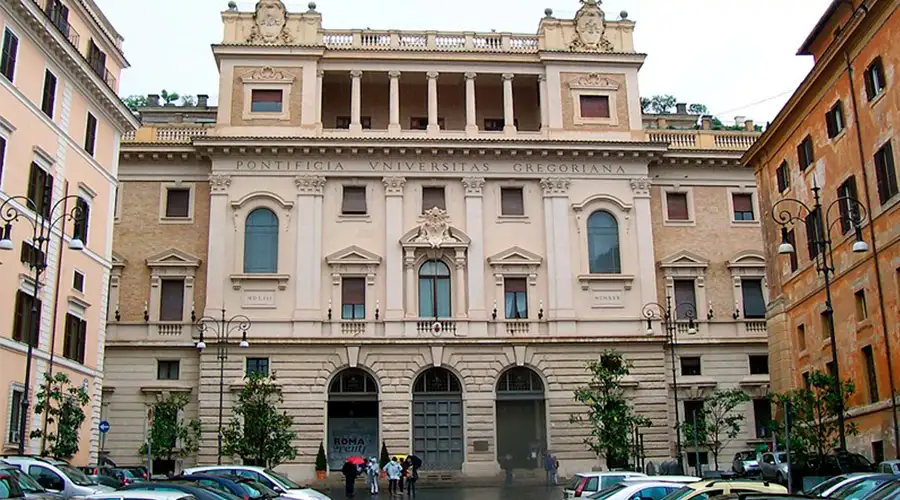
These ties would slowly be strengthened through the centuries. The first Franciscans arrived in Beirut in 1200. In 1215, the Maronite Patriarch Jeremiah II al-Amshiti attended the important Fourth Lateran Council in Rome and the following year received the pallium from Pope Innocent III. By 1584, the Maronites had their own pontifical college in Rome.
Despite that history of building ties, a week out from Pope Leo XIV’s visit to Lebanon, the country is on edge.
On Nov. 23, an Israeli airstrike in downtown Beirut aimed at eliminating a senior military commander of the terrorist group Hezbollah. There is a ceasefire in place, more or less, but the conditions of that agreement have not been fulfilled, and open conflict could return at any moment.
Lebanon, it can be said, is triply divided. It is precariously balanced between war and peace. Since the late ’60s, the country has repeatedly been drawn into the larger Arab-Israeli conflict. While most Lebanese — certainly most Lebanese Christians — want no part in further wars, the political leadership seems to be paralyzed in taking the needed steps towards peace or even neutrality.
Lebanon is also divided between Muslim and Christian. Although the Christian population is declining, the country still has the largest percentage of Christians of any nation in the region. The 1989 Taif Agreement, which ended the Lebanese Civil War, awarded Christians half of the parliamentary seats. Maronites still maintain the important offices of president of the republic and commander of the Lebanese Armed Forces.
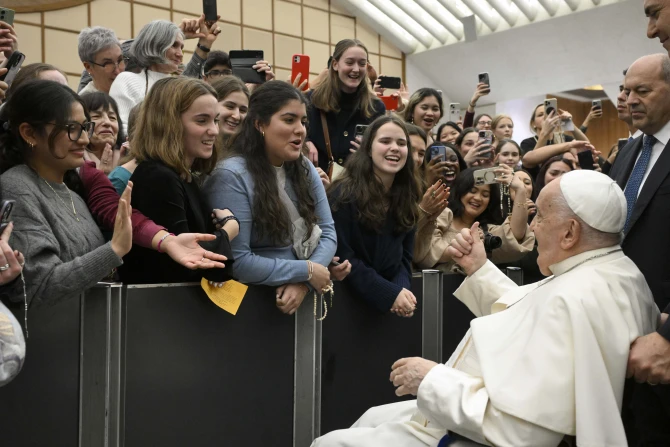
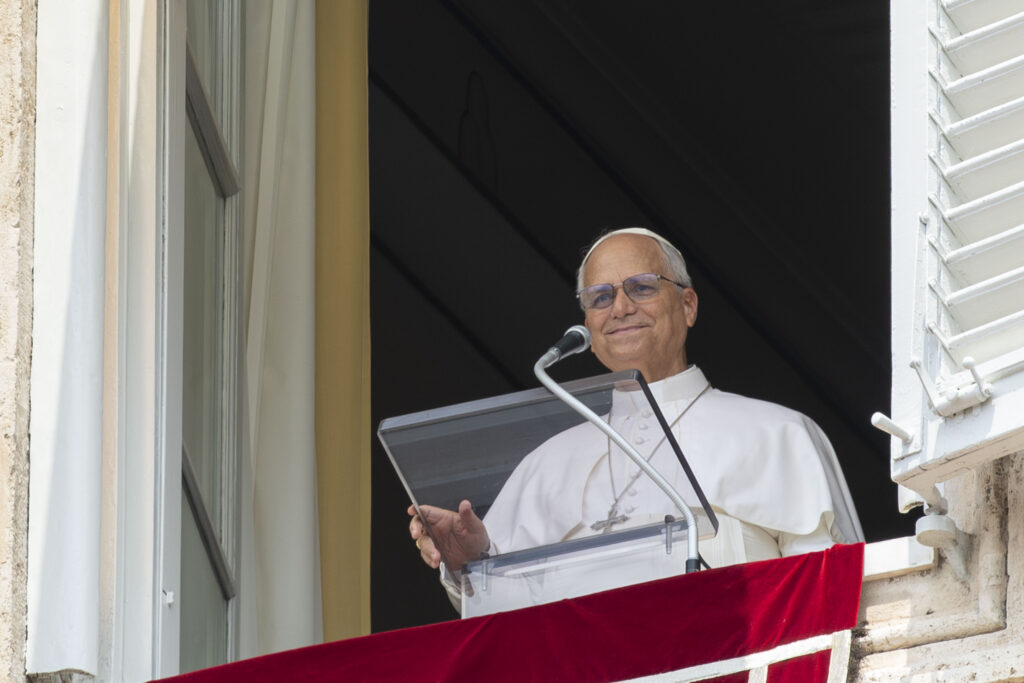
Pope Leo will certainly talk about peace — the visit’s logo is “Blessed are the Peacemakers” — and will certainly focus on interfaith dialogue between Muslims and Christians. There is, on Dec. 1, an “ecumenical and interreligious meeting in Martyr’s Square in Beirut.”
But Lebanon’s third division — that among or between its Christians — is not formally on the agenda, although it will certainly come up behind the scenes in various forums. This is not about the religious division between sects, say between Catholics and Orthodox, but rather contending political visions among Lebanese Christians, especially among the numerous Maronites, over what kind of country Lebanon should be.
This is not a new debate but rather one present at the creation of Lebanon in 1920 under the French Mandate from the League of Nations. The question was: Is a smaller, “more Christian” Lebanon better or worse for its Christians? Is the country primarily a refuge for often-persecuted Christians or a multi-confessional state subject to changing demographics? Is it an Arab state, in lockstep with the agenda of the Arab League, or does it seek to carve out a separate identity? More Lebanese and less Arab, more Mediterranean and less Middle Eastern? More like neighboring Cyprus or like neighboring Syria?
Lebanese Christians had just suffered disproportionately in an Ottoman Turkish-generated famine during World War I. When the French redrew the lines of the old Ottoman Mutasarrifate of Mount Lebanon, they incorporated rich farmland in Akkar and the Beqaa Valley and other areas, making the country more economically viable at the time but radically decreasing the Christian percentage of the population.
Le Petit Liban became le Grand Liban, which would gain full independence in 1943. In expanding the borders (and preventing the new state’s absorption into Greater Syria), France gave most Lebanese Christians what they had wanted at the time.
During the Civil War (1975-1990), the Christian parties and their militias carved out a small mini-state, about 20% of the country, distinct from the Syrian- and Palestinian-dominated rest of the country. That enclave would be forcibly retaken by the Syrians.
The Taif Accords blessed the Syrian occupation, affirmed Lebanon’s “Arab” orientation and disarmed the Christian and other militias — except for Hezbollah. Syria’s hegemony in Lebanon would eventually end and be replaced by pro-Iranian Hezbollah dominance, which continues, more or less, to this day.
There is increasing talk of holding, again under Saudi auspices, a second Taif Accord process to try to settle the Hezbollah question, to find some sort of balance between Saudi interests and Iranian interests. Rather than coming up with a new agreement, the idea is to fully implement the old one — especially those elements that were ignored in the first place but which could now be revitalized. One such element is moving Lebanon away from the old sectarian model to a new civil state. Such a process could see Lebanon’s precarious Christian political voice diluted even further.
While much of the current establishment Christian (especially Maronite) political leadership leans strongly against Hezbollah and its perpetual-war regime, many young Christian activists want more. Inspired by Catholic doctrines of subsidiarity, they want to see a more “federal” Lebanon, where real powers, including funding, are devolved to local administration (Taif actually mentions “strengthening local administration,” but little was done in this regard) so that Lebanon’s Christians and other non-Muslims are no longer at the whim of the broader Sunni-Shiite conflict and the Muslim “lust for domination.”
If Lebanon does indeed enter into a period of reactivating Taif, Christians are going to have to speak with one voice and do some hard thinking and planning about exactly what is best for the survival and flourishing of their community in their ancient land.
It is to be hoped that Pope Leo will encourage Christian political unity and a proactive policy of being “wise as serpents and innocent as doves.”
This article was originally published by NCRegister.