Skip to content

Letter from Benedict XVI reveals the ‘central motive’ for his resignation, biographer says

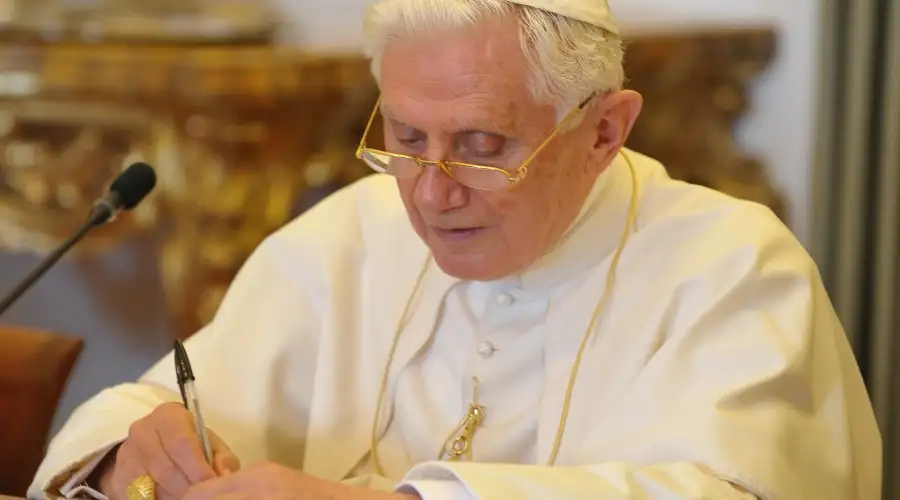
Reference image of Pope Benedict XVI. Credit: Vatican Media

Benedict XVI said he had suffered from chronic insomnia since the early days of his pontificate, according to a letter he wrote to his biographer.

According to papal biographer Peter Seewald, chronic insomnia ultimately led to Pope Benedict XVI’s decision to resign in 2013. 

In his last letter to the biographer — dated Oct. 28, 2022 — Benedict wrote the “central motive” for his resignation from office was “insomnia,” Seewald said according to a Jan. 27 report by CNA Deutsch, CNA’s German-language news partner. 

The pontiff, who died Dec. 31, 2022, also wrote that insomnia had accompanied him “continuously since World Youth Day in Cologne.”

The 2005 World Youth Day in Cologne took place a few months after Benedict’s election and was his first papal journey. 

The Bavarian-born pontiff served for nearly eight more years before announcing he was stepping down — citing waning strength — on Feb. 11, 2013.

Confirming a German media report, Seewald told agency KNA that Benedict XVI had not wanted to “make a fuss about the closer circumstances of his resignation, which was justified by his exhaustion,” while still alive.

Since the rumors and speculations about Benedict’s resignation have not died down, Seewald said he was obliged “to publish the decisive detail entrusted to me about the medical history of the German pope.”

The biographer said that Benedict XVI had used strong sleeping pills.

On his trip to Mexico and Cuba in March 2012, Benedict told Seewald, he realized he must have “bumped into something in the bathroom and fallen” after waking up only to discover his handkerchief was “blood-soaked.”

After seeking medical attention, Benedict was able to continue his program. However, following the incident, the pope’s personal physician ordered Benedict to reduce his intake of sleeping pills and stressed that he should only attend public appointments in the morning when traveling abroad.

On this account, Benedict reasoned he should make way for a new pope who would be able to attend World Youth Day in Rio de Janeiro in 2013. 

This article was originally published by EWTN News English.
Receive the most important news from EWTN Vatican via WhatsApp. It has become increasingly difficult to see Catholic news on social media. Subscribe to our free channel today

Share

Would you like to receive the latest updates on the Pope and the Vatican

Receive articles and updates from our EWTN Newsletter.

I agree that EWTN will keep me informed about news, faith stories and how to best support their work. You will never receive e-mails from us that you do not want to receive. You can unsubscribe any time. For more information on how to unsubscribe, our privacy practices, and how we are committed to protecting and respecting your privacy, please review our Privacy Policy.

More news related to this article

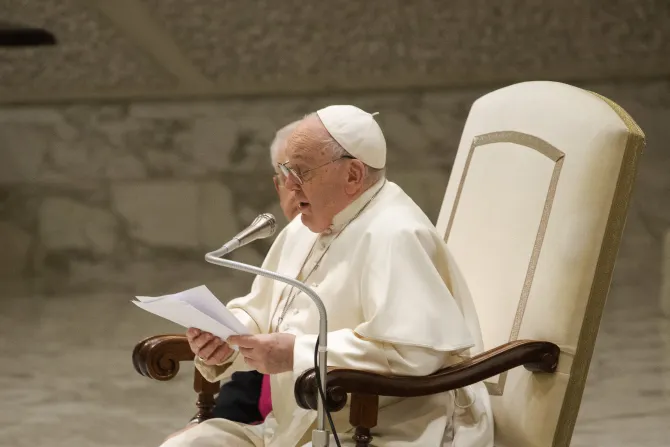
Pope Francis: One Must Never Dialogue With the Devil

During Wednesday's general audience, Pope Francis launched a catechetical series on vices and virtues, starting with Adam and Eve's story to highlight the dangers of succumbing to evil and the risks of engaging with the devil.

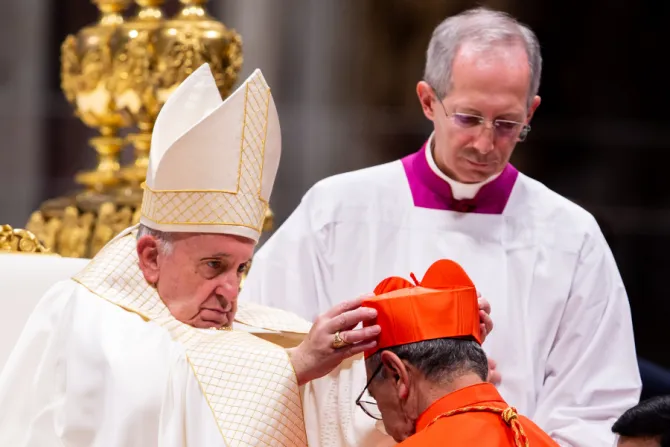
Pope Francis names 21 new cardinals, including archbishops of Tehran and Toronto

Pope Francis announced on Sunday that he will create 21 new cardinals, including the archbishops of Tehran, Tokyo, and Toronto, at a consistory on Dec. 8.

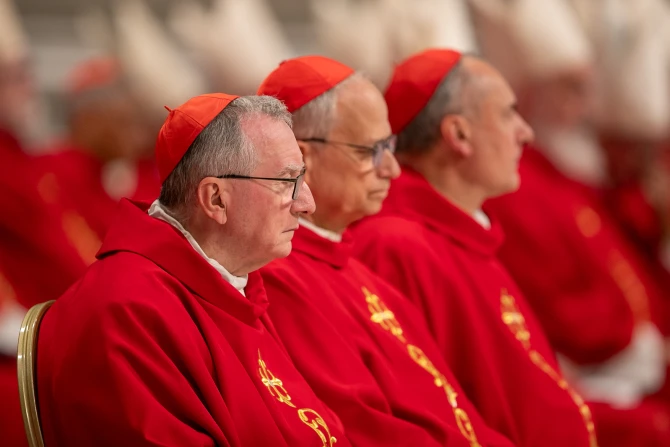
Cardinals hold sixth general congregation, confirm 2 electors will not be at conclave

The College of Cardinals held their sixth general congregation on Tuesday morning, confirming two cardinal electors will not participate in the upcoming May 7 conclave due to health reasons.

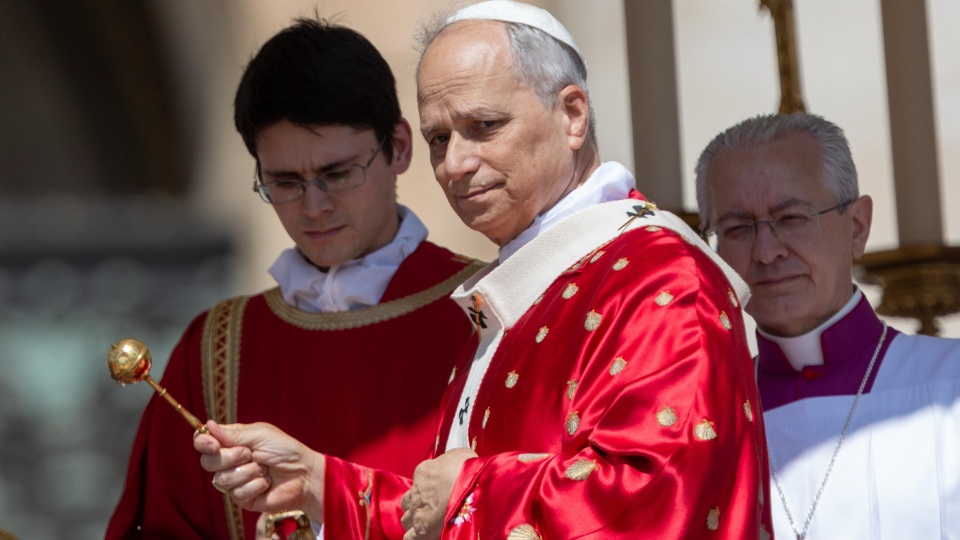
Jubilee of Ecclesial Movements Unites 70,000 Faithful in Rome

On the 7th and 8th of June, countless groups of faithful operating within the Church shared their experience of service to religious, spiritual, and social life.

Commemorating the Passion, Death, and Resurrection of the Lord

The Paschal Triduum, also known as the Easter Triduum, is a three-day celebration of the Passion, Death, and

Pope Francis writing a second environmental document after Laudato Si’

Pope Francis announced during an audience with lawyers Monday that he is writing a second part to his

LIVE
FROM THE VATICAN

Be present live on EWTNVatican.com