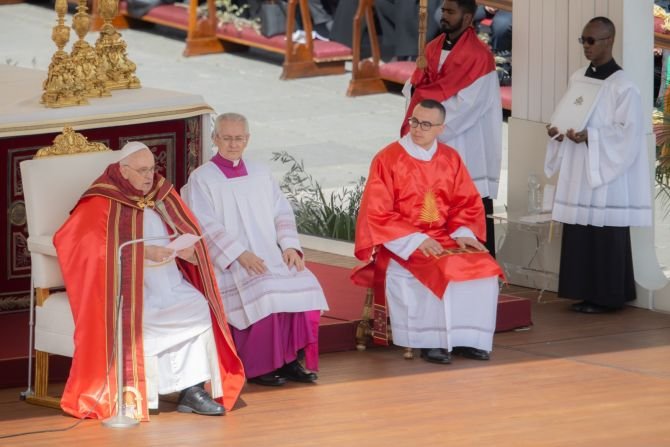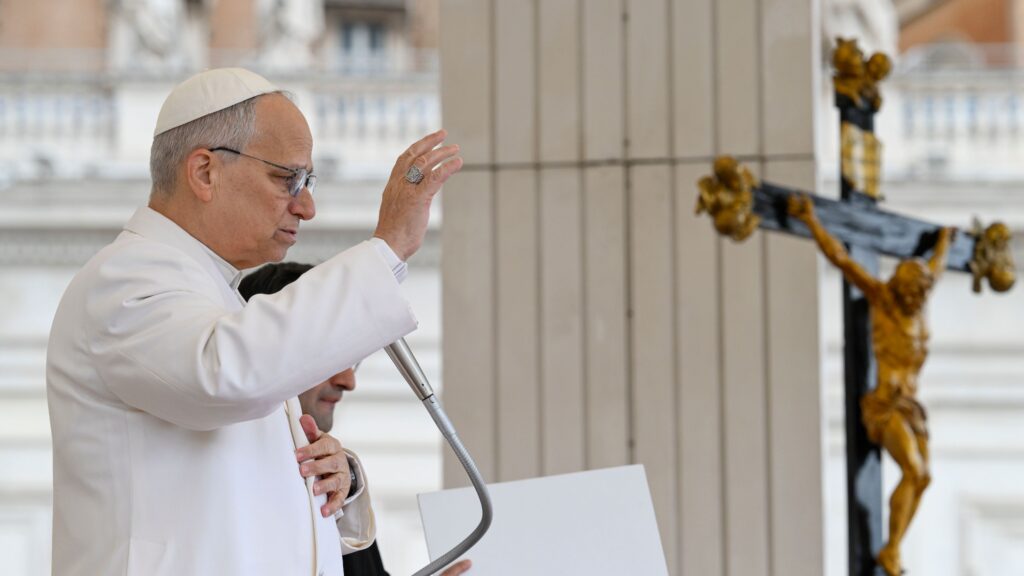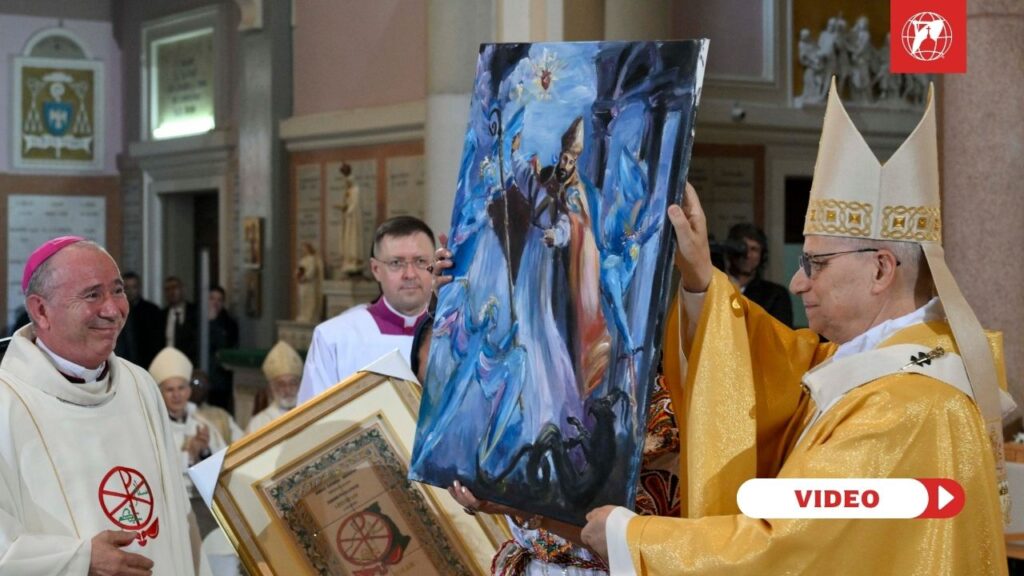
VATICAN CITY — Pope Leo XIV has completed his longest apostolic journey to date, traveling to Algeria and Cameroon as a self-described “pilgrim of peace.” The historic visit marked a significant moment for the global Church, highlighting the Pope’s commitment to peace, reconciliation, and interreligious dialogue across the African continent.
Following earlier trips to Turkey, Lebanon, and Monaco, this journey represents the Holy Father’s first visit to Africa, fulfilling a desire he expressed shortly after his election.
Why Africa? A Journey Rooted in Faith and History
Speaking to journalists aboard the papal flight, Pope Leo XIV revealed that Africa had long been on his heart. Algeria, in particular, stood out due to its deep Christian roots as the home of St. Augustine, who served as Bishop of Hippo in present-day Annaba.
Reflecting on the journey, the Pope said:
“It is truly a blessing for me personally, but also, I believe, for the Church and for the world, because we must always seek bridges to build peace and reconciliation. This journey therefore represents a truly precious opportunity to continue with the same voice and the same message: that we want to promote peace, reconciliation, and respect and consideration for all peoples.”
A Historic First: Pope Leo XIV in Algeria
Upon arriving in Algeria—the first papal visit in history—Pope Leo XIV made a powerful symbolic gesture by visiting the Martyrs’ Memorial (Maqam Echahid) in Algiers. The site commemorates those who died during the Algerian War of Independence.
There, the Pope laid a wreath and offered a prayer for peace:
“In this place, let us remember that God desires peace for every nation. A peace that is not merely the absence of conflict, but one that is an expression of justice and dignity.”
Throughout his time in Algeria, Pope Leo repeatedly described himself as a “pilgrim of peace,” praising the nation’s culture of encounter despite its religious diversity.
Interreligious Dialogue in a Muslim-Majority Nation
In a country where nearly 98% of the population is Muslim, the Pope made a significant visit to the Great Mosque of Algiers, one of the largest mosques in the world. The visit reinforced his message of mutual respect, coexistence, and peacebuilding between Christians and Muslims.
This gesture highlighted the Vatican’s ongoing commitment to interfaith dialogue in regions where Christians are a minority.
Walking in the Footsteps of St. Augustine
One of the most moving moments of the trip came in Annaba, where Pope Leo XIV visited the archaeological site of Hippo, once home to St. Augustine.
Despite harsh weather conditions, including wind and rain, the Pope walked through the ancient ruins, laid flowers, and paused in silent prayer. The moment underscored the enduring legacy of one of Christianity’s greatest theologians.
A Message of Hope at the Margins
The Pope also visited residents at the Ma Maison Care Home for the Elderly, run by the Little Sisters of the Poor. There, he emphasized the importance of love and service:
“I think that the Lord, looking down from heaven upon a house like this, where people strive to live together in fraternity, would say, ‘there is hope’. Yes, because God’s hearts torn apart by wars, violence, injustice and lies, but our Father’s heart is not with the wicked, the arrogant or the proud. God’s heart is with the little ones, the humble, and with them he builds up his kingdom of love and peace, day by day.”
The visit highlighted the Church’s mission to serve the most vulnerable, regardless of religious background.
From Algeria to Cameroon: A Call for Justice and Peace
The second leg of the journey brought Pope Leo XIV to Cameroon, a nation facing violent conflict, poverty, and a growing humanitarian crisis.
After meeting with civil authorities and diplomats, the Pope addressed local communities in Bamenda, speaking candidly about the challenges facing the region.
He warned against exploitation and injustice, including:
- “those who rob [the] land of its resources”
- those who “invest much of the profit in weapons”
- and those who manipulate religion “for their own military, economic, and political ends.”
“You Are the Light of the World”
In one of the most powerful moments of the trip, Pope Leo XIV offered encouragement to those suffering:
“Yes, dear brothers and sisters, you who hunger and thirst for justice, who are poor, merciful, meek, and pure of heart, who have wept — you are the light of the world!”
His words resonated deeply in a region marked by hardship, reaffirming the dignity and strength of the faithful.
Massive Crowds and a Living Church
The Pope celebrated Mass before more than 20,000 faithful in Bamenda, followed by an even larger gathering of 120,000 people in Douala’s Japoma Stadium.
Despite economic and social challenges, Pope Leo emphasized the spiritual richness of the people:
“Do not forget that your people are even richer than this land, for your treasure lies in your values: faith, family, hospitality and work.”
At the closing Mass, he offered a message of hope and encouragement for the Church in Cameroon:
“The Church in Cameroon is alive, young, blessed with gifts and enthusiasm, energetic in its variety and magnificent in its harmony. With the help of the Virgin Mary, our Mother, may your joyful presence continue to blossom.”
One Message Across Two Nations: Peace That Endures
From the Muslim-majority context of Algeria to the conflict-scarred regions of Cameroon, Pope Leo XIV’s journey revealed vastly different realities.
Yet across both nations, a single message prevailed: peace must be built through faith, justice, and human dignity.
As a “pilgrim of peace,” Pope Leo XIV has once again positioned the Church as a bridge-builder in a divided world, calling all people to reconciliation and hope.
Adapted by Jacob Stein