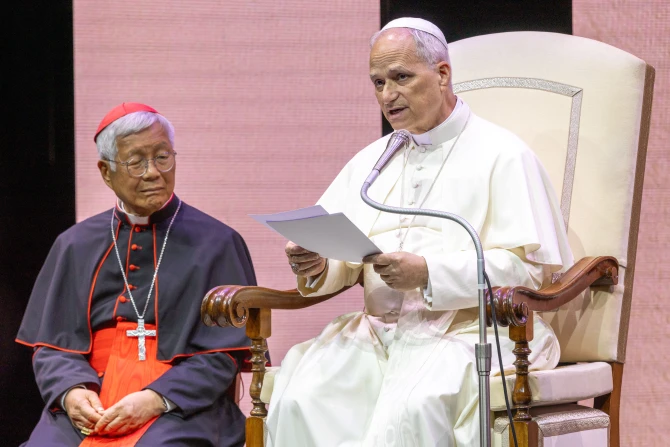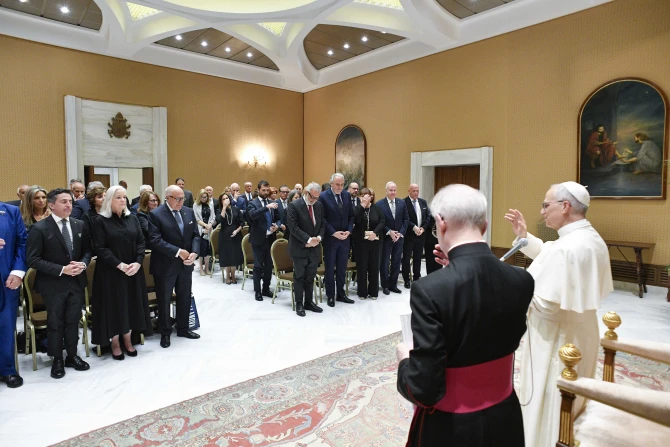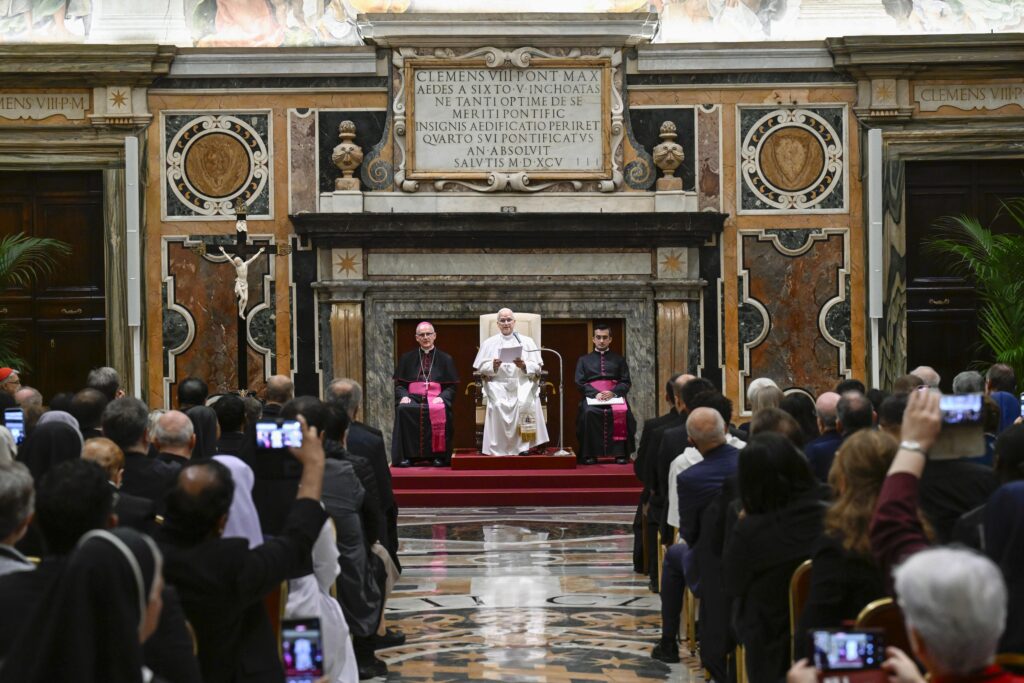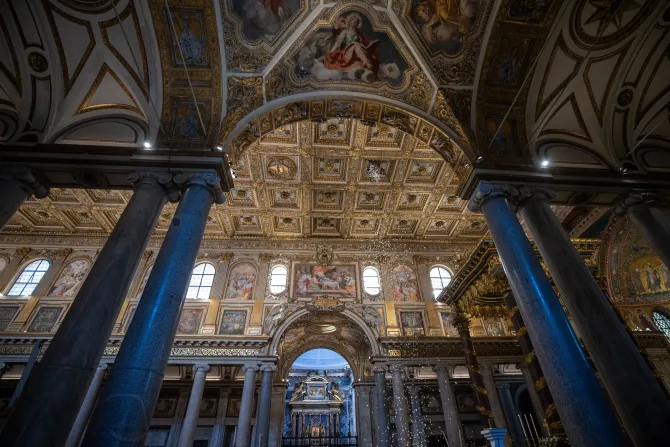
Pope Francis joined Rome’s annual celebration of the “Miracle of the Snow,” the fourth-century Marian miracle that inspired the construction of the Basilica of St. Mary Major, the papal basilica in Rome dedicated to the Mother of God.
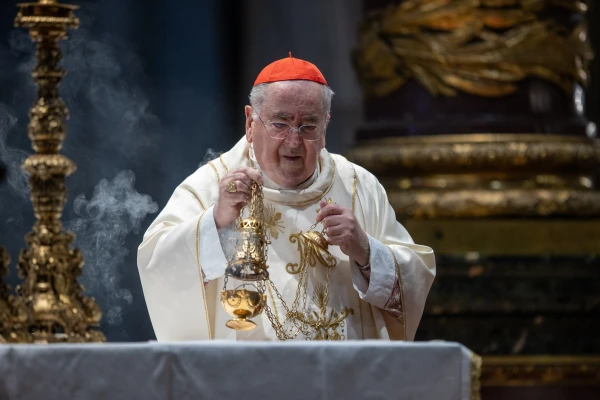
On the occasion of today’s feast day, also known as the “Dedication of the Basilica of St. Mary Major” in the universal Church, Cardinal Archpriest Stanisław Ryłko presided over the morning Mass at the basilica, which was followed by the shower of white rose petals from the ceiling symbolizing the miracle promised by Our Lady.
Pope Francis also took part in today’s solemnity by attending vespers held prior to the evening Eucharistic celebration presided over by Archbishop Emilio Nappa, president of the Pontifical Mission Societies.
Tradition holds that Mary appeared to John, a Roman nobleman, as well as Pope Liberius in a dream on the same night, expressing her wish that a church be built at the site where they will find snow. The following day, on Aug. 5, snow was found on the summit of the Esquiline Hill, which immediately led Pope Liberius to order the construction of the first church dedicated to Our Lady in the Western world.
For nearly two millennia, visitors from around the world have come to the basilica dedicated to the Mother of God as pilgrims or as tourists.
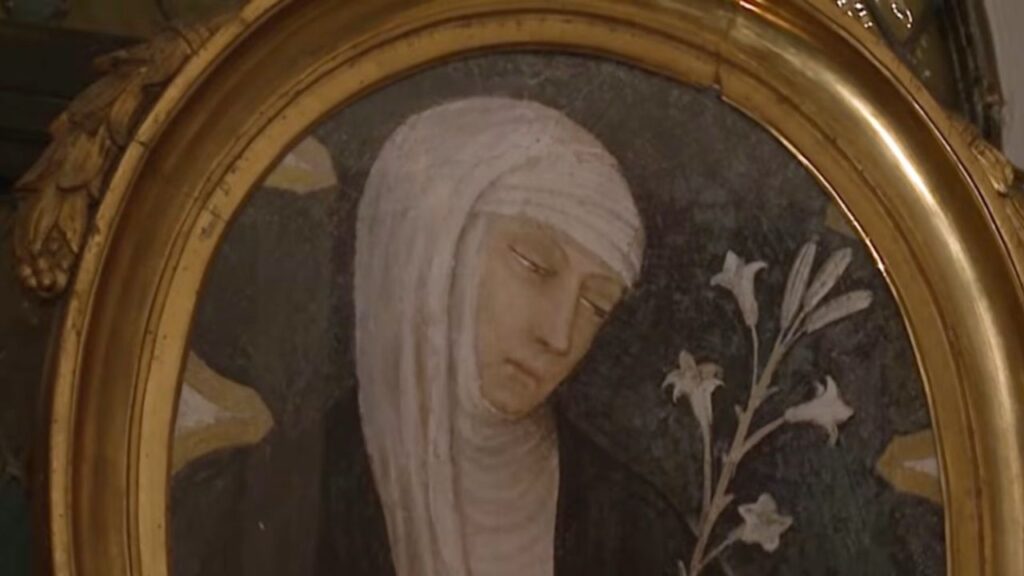
Our Lady of the Snows is the first of many ancient Marian traditions connected to St. Mary Major, which is one of the oldest churches in Rome.
Besides the basilica’s foundational Aug. 5 feast day, veneration of the Salus Populi Romani (Our Lady Savior of the Roman People) icon, which is believed to have been painted by St. Luke the Evangelist, is also widely popular for Catholic visitors to Rome.
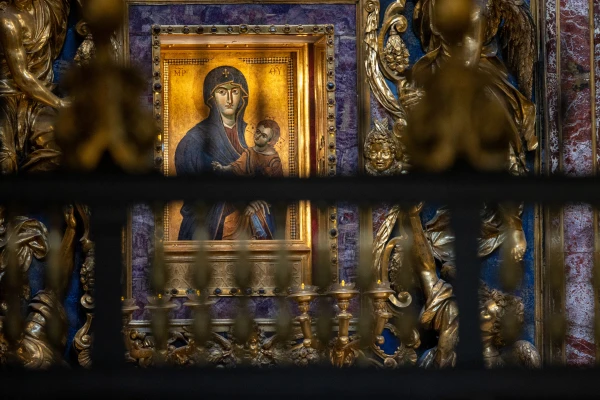
Today, three religious communities coordinate the pastoral and liturgical functions of St. Mary Major: the Franciscan Friars of the Immaculate, the Apostolic College of Penitentiaries of St. Mary Major, and the Institute of the Apostolic of Ever-Virgin Mary.
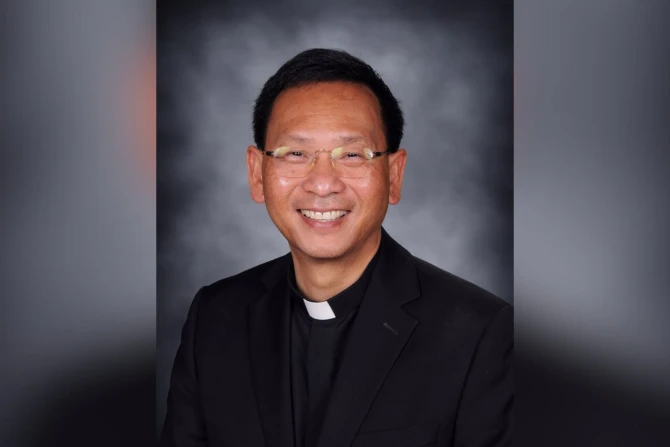
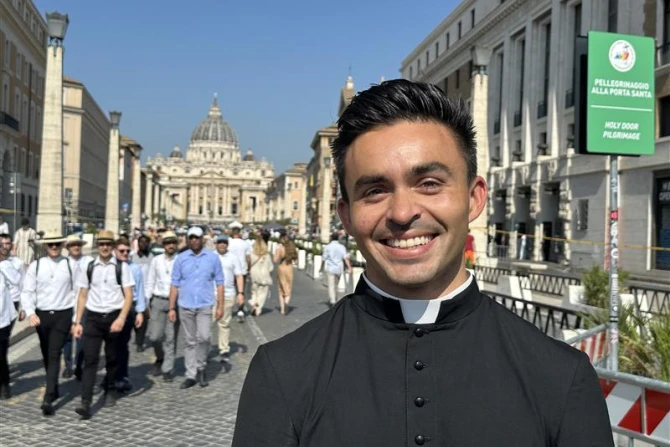
Father Immacolato M. Acquali, minister general of the Franciscan Friars of the Immaculate, said today’s feast dedicated to Our Lady of the Snows is widely popular for the people of Rome but is also significant for the entire Church.
“It was the first major Marian basilica of the Western Church. It was of course publically known all over Europe and then the world,” Acquali said in an interview with EWTN News.
“What was true 1,700 years ago is still true today — the importance of the Blessed Virgin Mary in the history of the Church and in salvation — because when there are hardships, when there are difficulties, when there are trials, crosses, big problems, going to Mary and asking her help is still what believers do today,” he explained.
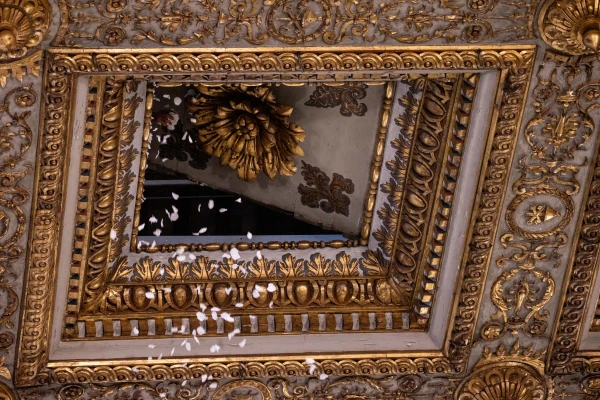
Acquali also shared that the attraction of the Marian basilica for Christians (including for Pope Francis who frequently visits the basilica and wishes to be buried there) as well as non-Christians is remarkable.
“The basilicas is a paradigmatic example of evangelization through beauty. Even if you are not a Christian, you can contemplate and evaluate the beauty of the basilica. That strikes people, Christian and non-Christian alike,” he explained.
“In Rome and everywhere in the world, churches have been built around the real presence of Jesus and that’s why artists gave their talents just to make a home for the real presence of Jesus in the Blessed Sacrament.”
St. Mary Major, which is considered to be a Marian relic and a place of pilgrimage chosen by the Mother of God herself, will be one of the four papal basilicas where a Holy Door will be opened by Pope Francis on Jan. 1 in the upcoming 2025 Jubilee Year.
This article was originally published on Catholic News Agency.