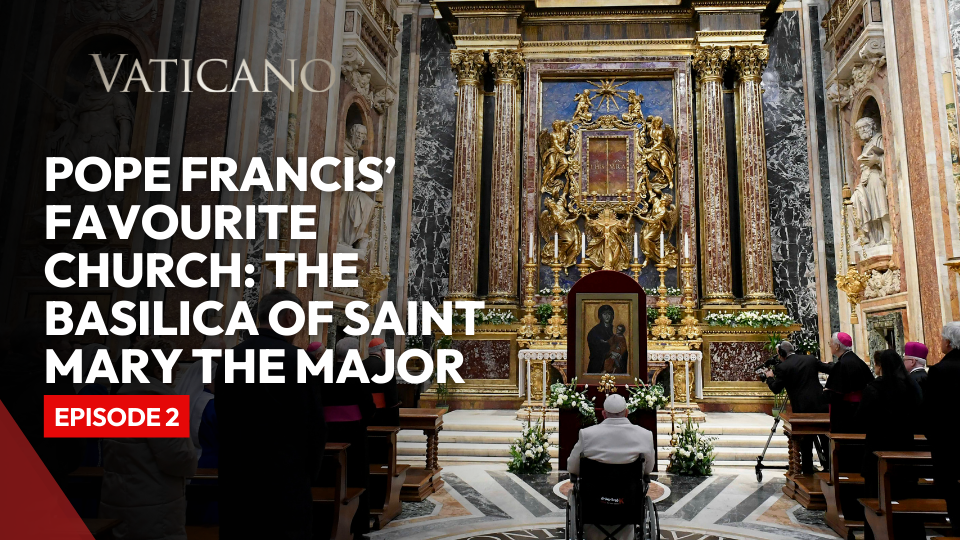
The Papal Basilica of Saint Mary Major, revered as one of Rome’s four major basilicas, stands as a testament to centuries of Christian faith and artistry. This basilica, deeply cherished by Pope Francis, who has visited it over 100 times, is not just a monument but a living chronicle of the Church’s history.
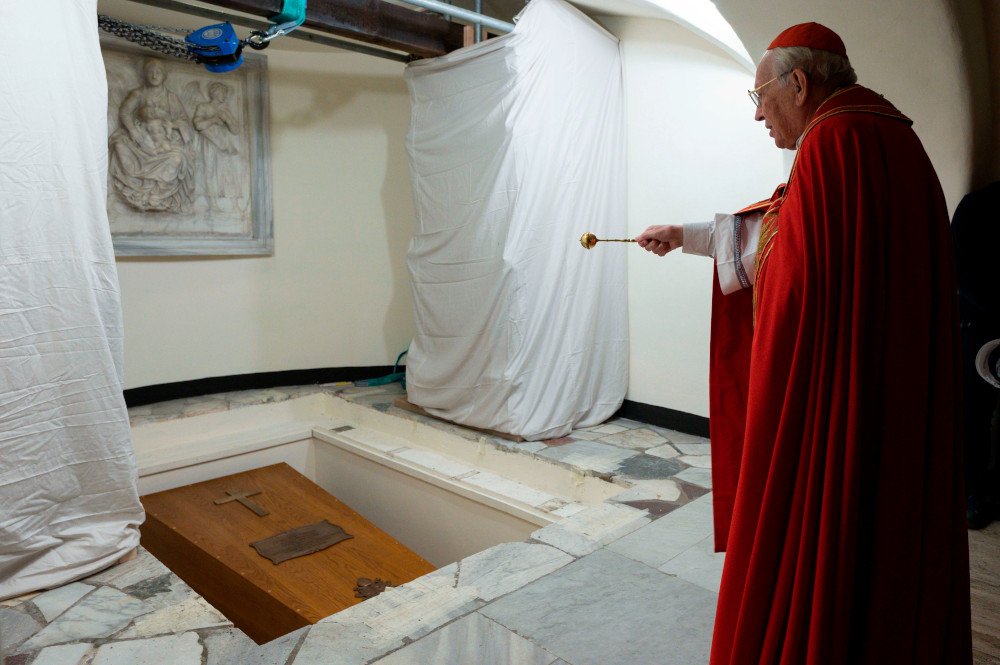
From its striking external grandeur to the rich history it holds within, Saint Mary Major has been a pivotal site for the Roman Pontiffs, with six popes buried here. But what exactly endears this basilica to Pope Francis and his predecessors?
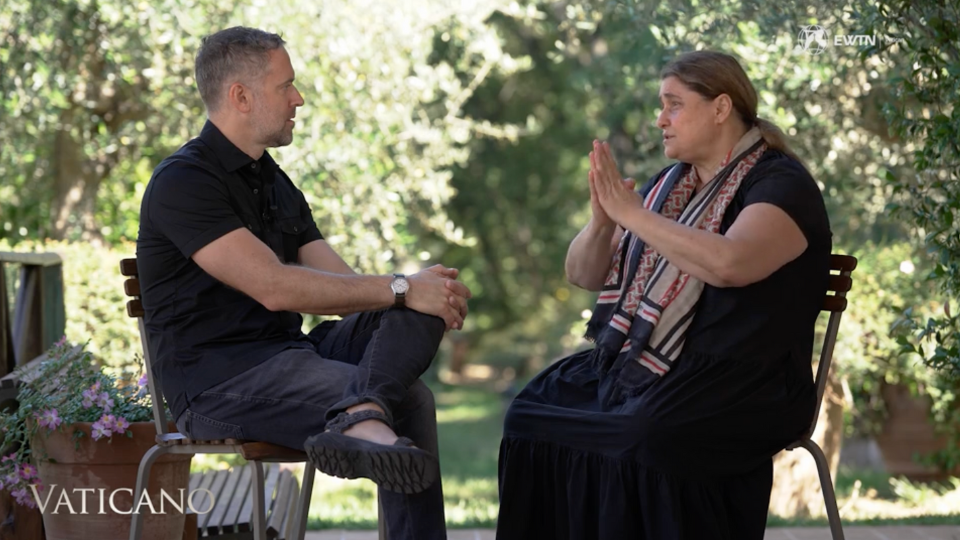
Guido Sante, a conservator-restorer, offers an insightful journey into the basilica’s past. According to tradition, the basilica was founded by Pope Liberius, but it owes its grandeur to Pope Sixtus I, who commissioned its construction following the Council of Ephesus. This council was crucial in defining the Virgin Mary’s role as the Theotokos, or the “God-bearer,” a pivotal moment in Church history. This decision elevated the Basilica of Santa Maria Maggiore, making it the foremost Marian temple in the Western world.
Upon entering the basilica, visitors are immediately captivated by the stunning apse mosaic, showcasing the Coronation of Mary by Jesus Christ. This artwork, a masterpiece from the 13th century by Jacopo Torriti, represents the peak of medieval art in Rome and embodies the Franciscan devotion to Mary. This devotion is vividly portrayed with Christ and Mary seated on a throne, the sun and moon at their feet, symbolizing their divine presence.
This mosaic, along with the rest of the basilica’s decorations, stands as a monument to Franciscan beliefs. Pope Nicholas IV, the first Franciscan Pope, had a significant role in these embellishments, choosing to reside in this basilica instead of the Papal Palace. His influence is evident in the gold-leaf covered surfaces and the presence of key Franciscan saints like Francis and Anthony within the artwork.
Guido Sante also highlights the basilica’s role as a “book” preserving Christian beliefs. The triumphal arch before the grand apse, dating back to the 5th century, depicts Old Testament episodes, while the nave mosaics narrate both New and Old Testament stories. These are among the oldest Christian mosaics in Rome, preserving the memory of the faith through centuries.
Pope Nicholas II added a significant chapter to the basilica’s history by introducing the first-ever nativity scene, inspired by St. Francis’s live nativity in Greccio. This innovation was in homage to the relic of the cradle of baby Jesus housed in the basilica, further cementing its role as a central site for Christian devotion and artistry.
The Basilica of Santa Maria Maggiore, with its profound historical, artistic, and religious significance, continues to inspire both the faithful and visitors alike. It stands as a beacon of the enduring legacy of the Catholic Church and its unbroken connection to its past. For Pope Francis and many before him, it remains a place of solace, inspiration, and profound spiritual significance.