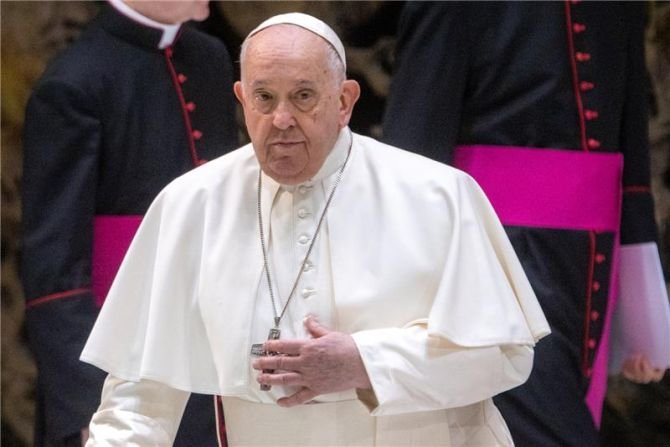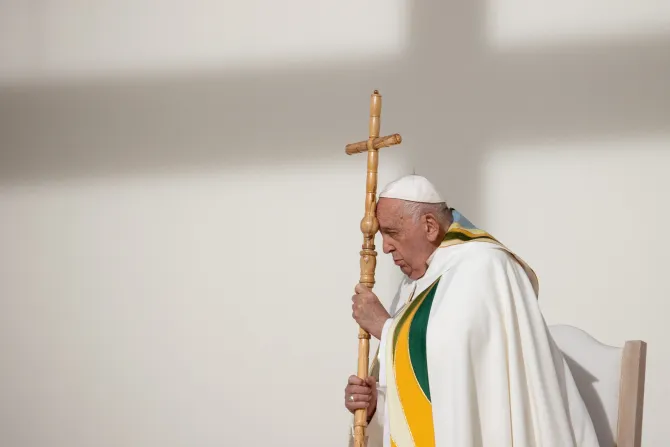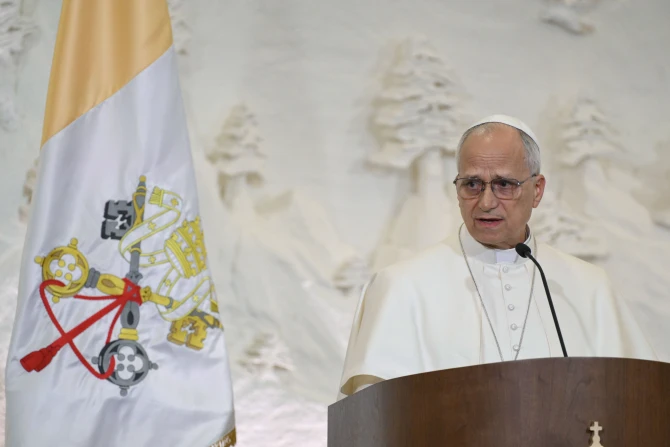
Pope Leo XIV urged Lebanon’s leaders to embrace tenacity, dialogue, and a renewed commitment to the common good during an address at the Presidential Palace in Baabda on Sunday, continuing his weeklong apostolic journey to Turkey and Lebanon.
The trip, focused on Christian unity, regional stability, and the Church’s mission in the Middle East, has taken the Holy Father from historic encounters in Istanbul to a nation still recovering from political crisis and the 2023–2024 war.
“Blessed are the peacemakers,” the pope began, adding that peace “takes tenacity” and “perseverance to protect and nurture life.” His remarks came as Lebanon seeks stability after years of political paralysis, economic collapse, and the lingering trauma of regional conflict.
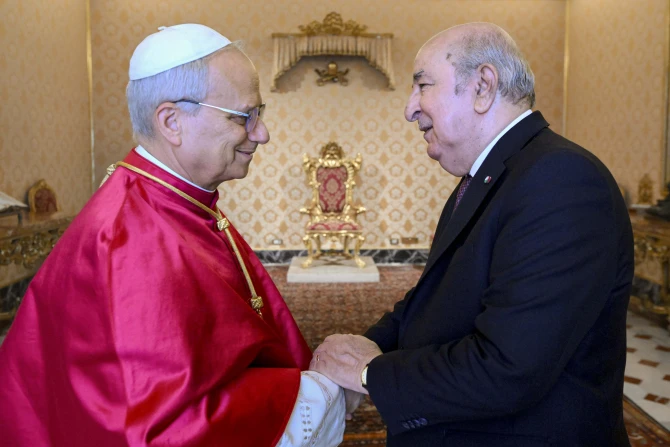
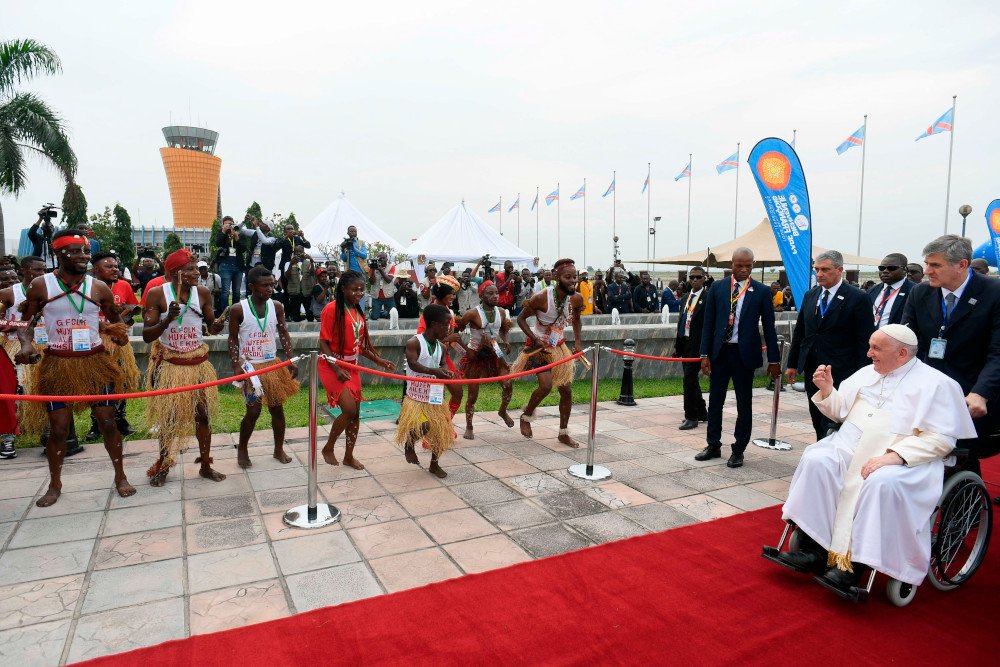
The Presidential Palace, overlooking Beirut and built in 1956, hosted its first papal address since Parliament elected Joseph Aoun on Jan. 9 as Lebanon’s 14th president after more than two years without a head of state. A Maronite Christian and career army officer born in Beirut in 1964, Aoun welcomed Pope Leo for a ceremony that included a traditional dabke dance and the planting of a “cedar of friendship” in the palace gardens alongside Vatican and Maronite Church leaders.
Pope Leo acknowledged the difficulty of governing “in circumstances that are highly complex, conflictual, and uncertain,” but praised the resilience of the Lebanese people. “You are a people who do not give up,” he said, noting the many who work for peace quietly each day.
He described Lebanon as “a community of communities, united by a common language: hope,” at a time when many parts of the world face rising pessimism, instability, and decisions made “to the detriment of the common good.” Despite the burden of crisis and what he called “an economy that kills,” he said Lebanon has repeatedly shown its capacity to “start again.”
The pope urged the country’s leaders to remain close to their people, emphasize the role of youth and civil society, and resist reducing national life to competing interests. “The common good is more than the sum of many interests,” he said.
Reconciliation, he stressed, is indispensable. Wounds — personal and collective — require time and courage to heal, he said, warning that without this process “we would remain stuck, each imprisoned by our own pain.” Dialogue, even amid misunderstandings, is “the path.”
Pope Leo spoke of the sorrow caused by emigration and the courage required to remain or return. He highlighted the contributions of women, whom he called uniquely gifted in “the work of peacemaking.”
Closing his address, the pope reminded Lebanon that peace is not only a human achievement but also a gift that shapes the heart and teaches people to “harmonize our steps with those of others.” Peace, he said, “is a desire and a vocation; it is a gift and a work in progress.”
Following the ceremony at Baabda, Pope Leo was scheduled to travel to Harissa, where he will stay at the Apostolic Nunciature. On Monday morning he will begin his day with a prayer visit to the tomb of St. Charbel Makhlouf at the Monastery of St. Maroun in Annaya.
Follow all EWTN News coverage of Pope Leo’s First Apostolic Trip here.
This article was originally published by CNA.