Pope Leo XIV on Friday authorized decrees recognizing 11 new martyrs as well as four new venerables to be honored by the Church.
With this declaration, the pope has cleared the way for them to be declared “blessed,” but a date has not been set for their beatification.
During his Oct. 24 audience with Cardinal Marcello Semeraro, prefect of the Congregation for the Causes of Saints, the Holy Father approved the designation of 20th-century European martyrs killed “in hatred of the faith” under Nazi and communist regimes.
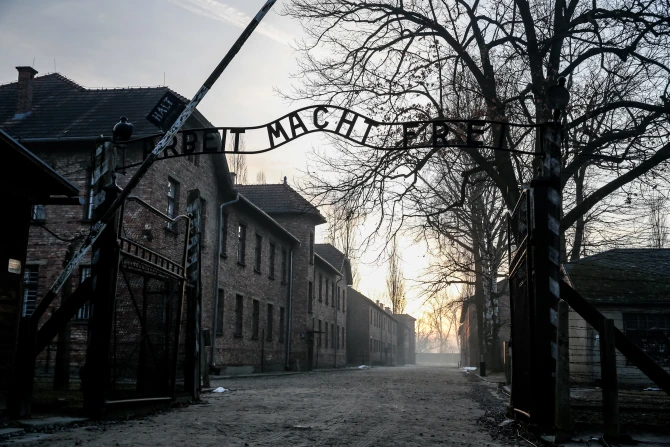
Polish Servants of God Jan Świerc, Ignacy Antonowicz, Ignacy Dobiasz, Karol Golda, Franciszek Harazim, Ludwik Mroczek, Włodzmierz Szembek, Kazimierz Wojciechowski, and Franciszek Miśka were killed in concentration camps in Auschwitz, Poland, and Dachau, Germany, between 1941 and 1942.
Victims of the Nazi regime following the 1939 German occupation of Poland, the nine religious priests — who belonged to the Salesian Society of St. John Bosco — were tortured and executed for being Catholic clergy.
Other martyrs approved by Pope Leo are Servants of God Jan Bula and Václav Drbola, diocesan priests from former Czechoslovakia who were executed between 1951 and 1952 following the communist takeover of the country in 1948.
On Friday, the Holy Father also approved decrees for four servants of God to be declared “venerable” by the Church in recognition of their “heroic virtues.” Among the new venerables, three are professed religious from Europe.
Spanish Servant of God José Merino Andrés, OP, born 1905 in Madrid, was known for his missionary and pastoral zeal and faithfulness to the Dominican charism, and trained approximately 700 priests in Palencia, Spain, as a novice master for the Order of Preachers before his death on Dec. 6, 1968.
Before joining the Discalced Carmelites, Servant of God Gioacchino della Regina della Pace, OCD, was a custodian of the Sanctuary of the Queen of Peace in Liguria, Italy. He was a third-order Carmelite for 10 years before making his solemn profession in the order in 1967. He died at the age of 95 on Aug. 25, 1985.
Servant of God Maria Evangelista Quintero Malfaz, OCist, joined the Cistercian order as a religious sister in Spain in the early 17th century with a reputation for being a mystic. Through monastic life and intense prayer, she offered her life for the conversion of sinners and was revered by her religious sisters who sought her counsel. She died in Spain in 1648.
Founder of the Missionary Institute of the Immaculate Heart of Mary, Servant of God Angelo Angioni is the only diocesan priest among the four venerables approved by Pope Leo on Friday.
Born in Italy on Jan. 14, 1915, Angioni was ordained a priest for the Diocese of Ozieri in 1938. He spent several years supporting parishioners, seminarians, and other priests of the diocese before being sent as a “fidei donum priest” to serve the Diocese of São José do Rio Preto, Brazil, in 1951.
Known for his love for the poor and the Gospel, Angioni’s reputation for his humble and serene holiness spread in Brazil and Italy before his death on Sept. 15, 2008.
This article was originally published on Catholic News Agency.