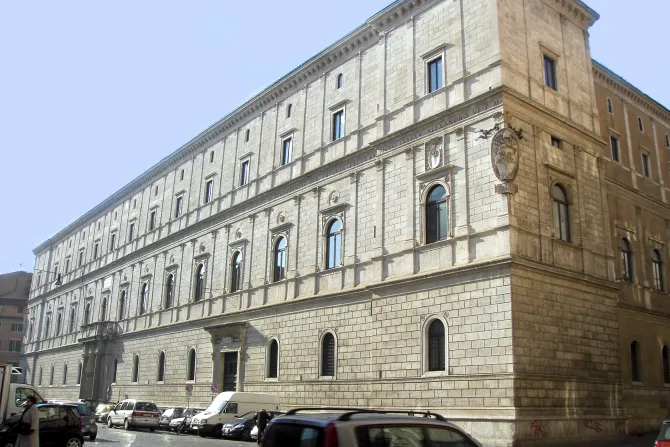
The Vatican’s Dicastery for the Clergy issued a decree updating the Church’s norms governing Mass intentions and stipends, emphasizing both proper spiritual understanding and practical solutions for modern pastoral challenges.
Pope Francis approved the document — published so far only in Italian — on Palm Sunday, April 13. It will take effect on Easter Sunday, April 20, 2025.
The decree, which replaces the 1991 instruction Mos Iugiter, maintains Canon 945 of the Code of Canon Law, affirming that priests may receive offerings for celebrating Mass according to specific intentions, while introducing significant provisions for “collective intentions.”
According to the updated norms, bishops’ conferences or provincial councils may now permit priests to accept multiple offerings from different donors for a single Mass with a “collective intention,” but only when all donors have been explicitly informed and freely consented.
“Such consent of the donors can never be presumed,” the document states firmly.
“In the absence of explicit consent, it is always presumed that consent has not been given.”
The decree also reaffirms that offerings for Mass intentions must never be treated as commercial transactions, noting that such practices would constitute simony — the forbidden buying or selling of spiritual things.
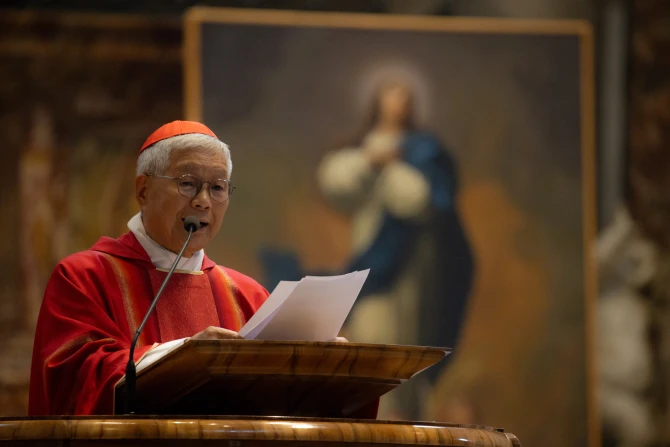
Cardinal Lazzaro You Heung-sik, prefect of the Dicastery for the Clergy, explained that the new regulations came after “profound consideration” and extensive consultation with bishops, clergy, and faithful worldwide.
The document addresses the growing challenge of clergy shortages in many regions, making it difficult to fulfill all requested Mass intentions while preserving their spiritual significance.
Bishops are instructed to properly educate clergy and faithful about these regulations and maintain accurate records of Masses, intentions, and offerings. The decree emphasizes that priests should celebrate Mass for the intentions of the faithful, “especially the poorest, even without receiving any offering.”
The norms also prohibit substituting promised Masses with simple mentions during liturgies, categorizing such practices as “gravely illicit.”
A notable pastoral provision allows diocesan bishops to redirect surplus Mass intentions to parishes or mission territories in need, promoting solidarity within the universal Church.
This article was originally published on Catholic News Agency.