The appointment continues Leo’s reform of the Diocese of Rome, of which he is bishop, rolling back changes made by Pope Francis in 2023.
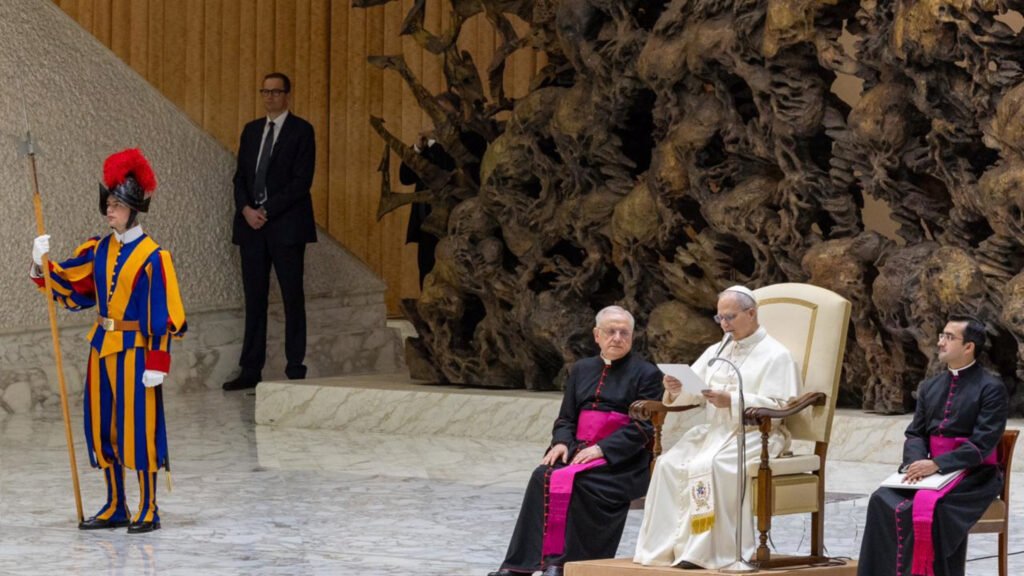
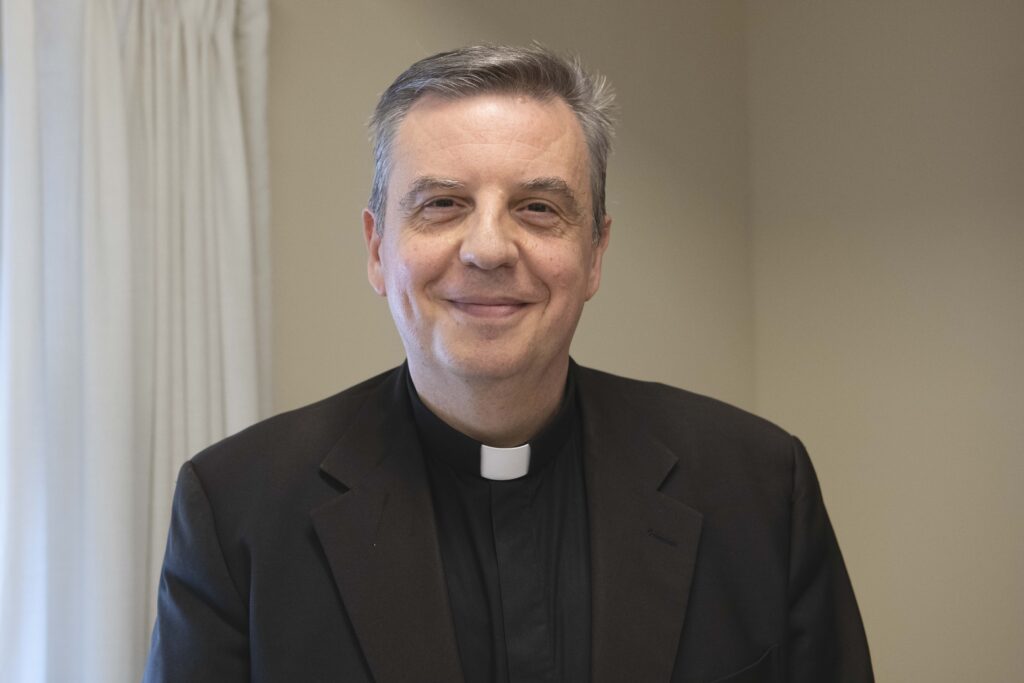
Pope Leo XIV on Tuesday named Rome priest Father Pier Luigi Stolfi the first moderator of the curia for the Diocese of Rome, as the pontiff continues to reform the diocese’s central organization in the wake of administrative upheaval.
Recent changes by Leo restore autonomy to his appointed leaders of the diocese after Pope Francis had centralized much of the power at the Vatican.
Born in Rome, Stolfi, 55, has previously held an array of administrative positions in the diocese’s hierarchy — including vice rector of both the minor and major seminaries, director of the Office for Religious Buildings, and head of the Section for Sacred Art and Cultural Heritage — before serving as pastor of St. Linus Parish in west Rome since 2020.
Adding the position of moderator of the curia was one of several changes Leo made last week to the constitution In Ecclesiarum Communione of the vicariate, or hierarchy, of the Diocese of Rome — of which he is the head.
The pontiff, as bishop of Rome, does not manage the diocese like a typical diocesan bishop. A cardinal vicar general, vice regent (deputy), and auxiliary bishops are responsible for the ordinary running of the diocese.
Last year, Leo brought back the central sector, one of five total sectors, of the diocese, which had been eliminated by Pope Francis, and in February of this year, the pontiff appointed four new auxiliary bishops — filling yearslong vacancies in the vicariate’s top administration.
On Feb. 25, the pope also announced the creation of a working group to revise In Ecclesiarum Communione, introduced by Pope Francis in January 2023.
“After carefully considering the guidance I have received, I believe it is appropriate to make some amendments,” Leo wrote on June 30, “so that the Vicariate of Rome may respond ever more effectively to the needs of the evangelizing mission, foster a deeper ecclesial communion, and support the pastoral ministry of the Church in Rome.”
The letter motu proprio, Confirma Fratres Tuos (“Strengthen Your Brothers”), takes its title from Jesus’ direction to his disciples in Luke Chapter 22, that he has “prayed that your own faith may not fail; and once you have turned back, you must strengthen your brothers.”
Pope Francis’ reform of the Diocese of Rome
Pope Francis’ reform of the vicariate centralized everything, at least formally, under the control of the pontiff.
When In Ecclesiarum Communione was first promulgated in 2023, it was the first major change in 25 years and launched a series of organizational shifts for the ecclesiastical territory, many involving personnel. For some priests of the diocese, who spoke to EWTN News last year, the changes and instability in the diocesan curia were challenging.
The constitution also deeply diminished the role of the cardinal vicar general and made the pope the formal presider over the episcopal council, a new body established as an “expression of synodality,” expected to meet at least three times a month and to report all meeting minutes to the pope. If the cardinal vicar wanted to take a different decision from the unanimous opinion of the council, he needed to discuss it first with the pope.
With the 2026 modifications introduced by Leo, the episcopal council becomes an “advisory body” convoked by the cardinal vicar and presided over by him.
Moderator of the curia
The moderator of the curia, appointed by the pope for a five-year renewable term, oversees the performance of the duties of the diocesan staff.
According to universal Church law, the moderator of the curia is a priest “who, under the authority of the bishop, is to coordinate those things which pertain to the treatment of administrative affairs and to take care that the other members of the curia properly fulfill the office entrusted to them.”
In many dioceses, the vicar general, or one of them if there are more than one, is also the moderator of the curia.
In Rome, Leo decided to add the moderator as a separate figure, giving him the responsibility over the administrative functions formerly carried out by the vice regent, whose position will now be more closely tied to the cardinal vicar, assisting him in his duties and exercising his powers in his absence when necessary.
An additional change: An Independent Supervisory Commission established by Pope Francis, in the new version of the constitution, removes the detailed requirements for members and the requirement to report to the pope once a year after monthly meetings, simply stating that the regulations of the internal oversight body are to be approved by the pope.
This article was originally published by EWTN News English.