Vatican Prepares for the Final Phase of the Synod on Synodality
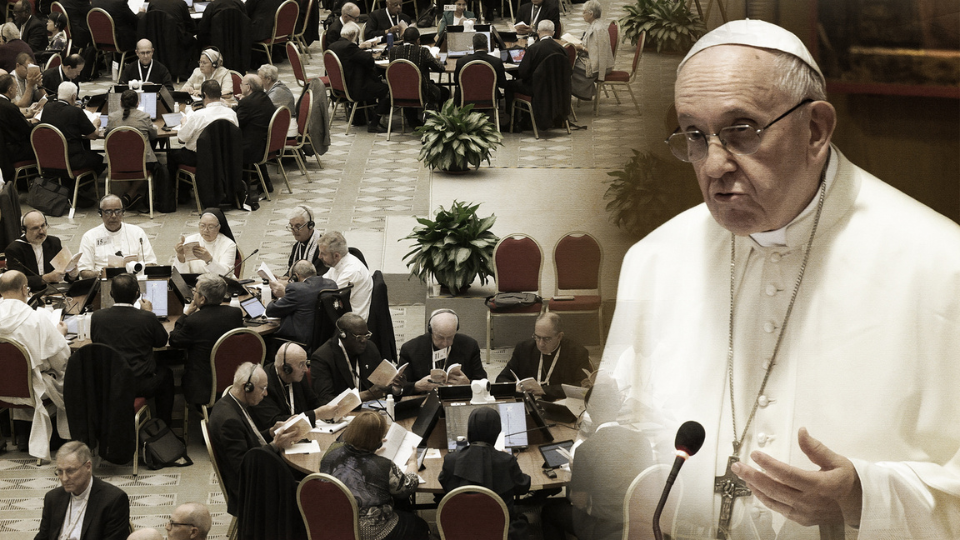
As the Catholic Church approaches the culmination of a three-year global listening and dialogue process, hundreds of church leaders are preparing for the second and final session of the Synod on Synodality. This session, set to span the entire month of October, is part of the 16th Ordinary General Assembly of the Synod of Bishops, which Pope Francis initiated in 2021.
The Synod’s objective is to deepen the Church’s missionary perspective and foster a spirit of communion through a synodal process of listening. As this important phase unfolds, the central question posed to participants is: How can the Church be a synodal Church in mission?
Prayer, Listening, and Discernment at the Heart of the Synod
In a recent press conference, Cardinal Mario Grech, the Synod’s Secretary General, outlined the assembly’s focus, emphasizing that prayer and listening to the Holy Spirit are foundational to the process.
“If the Holy Spirit is not invoked,” Cardinal Grech stressed, “if he is not present, then it is not a Synod. You can call it a convention, an assembly, but not a Church gathered to discern.”
The Vatican also introduced several unique elements for this session. One notable addition is a penitential service that will include testimonies and prayers for forgiveness, particularly for sins against peace, creation, and families, including the sex abuse scandal.
Moreover, a prayer vigil will be held to give thanks for the ecumenical fruits of the Second Vatican Council. Delegates from various Christian churches and communities will gather in Piazza of the Protomartyrs, the traditional site where the Apostle Peter was martyred, to pray together.
Ecumenical Collaboration and Inclusion of Lay Voices
Cardinal Jean-Claude Hollerich, General Relator of the Synod, underscored the importance of ecumenical progress, noting the significant strides made in recent years. He remarked, “I think ecumenism has taken great steps forward… perhaps we can pass to another kind of ecumenical dialogue—how can we act together for more peace, for more justice, for it is our common mission.”
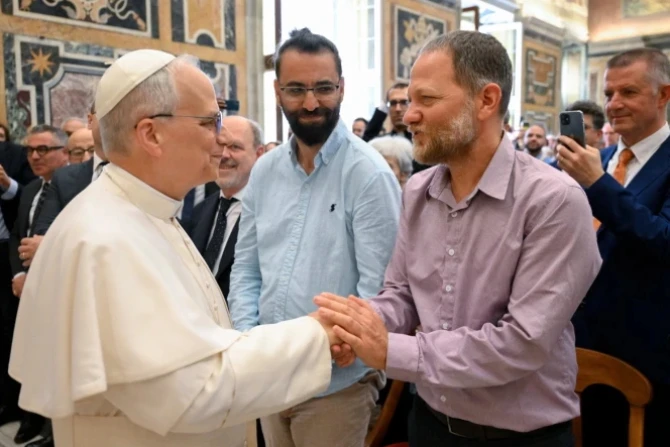
In a first for synods in Rome, a quarter of the participants will not be bishops. The diverse assembly will include non-Catholic fraternal delegates, lay people, religious, and priests, reflecting the Synod’s commitment to inclusivity and broad participation.
While key topics such as lay participation and the role of women in the Church are central to the Synod’s guiding document, both Cardinal Grech and Cardinal Hollerich emphasized that the true focus of the Synod is the Church itself and its ability to listen and walk together as a community.
Building a Synodal Church: A Call for New Methods
Cardinal Grech highlighted the need for innovation in building a synodal Church, saying, “We need to find new methods, new ways, how we can really walk together. There is a lot of richness in the Church, and if we do not listen to others, without excluding anybody, we will miss a big opportunity.”
On a practical level, the October Assembly will conclude with the production of a final document, which will be presented to Pope Francis for his consideration at the end of the month.
This pivotal moment for the Church invites reflection on how it can continue to journey together, drawing from the voices of all its members, to be a Church in mission, led by the Holy Spirit.
Adapted by Jacob Stein