The Pontifical Academy for Life said the growing field of xenotransplantation requires international standards and ethical oversight.
The Vatican has called for a global ethical framework governing the use of animal organs in human transplants, warning that rapid advances in the field demand coordinated international oversight.
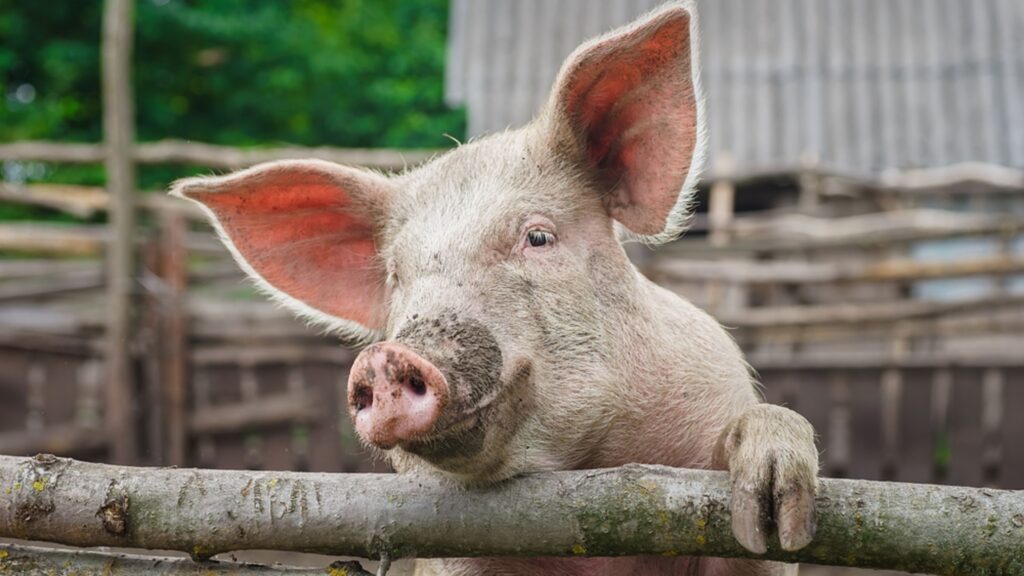
The Pontifical Academy for Life presented a new document examining the ethical challenges posed by xenotransplantation — the transplantation of animal organs into humans — an area that until recently was considered close to science fiction.
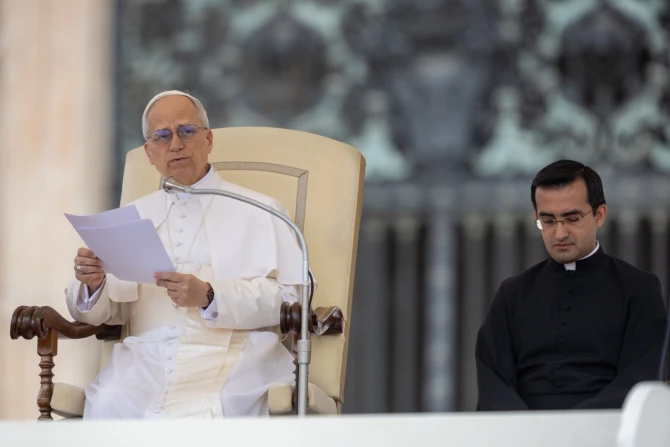
“It is an important contribution that the Church offers not only to believers but also to the scientific and ethical community, to see how to continue research, with protocols approved for human beings in this field,” said Msgr. Renzo Pegoraro, president of the Pontifical Academy for Life, at a Vatican press conference introducing the volume “The Prospects for Xenotransplantation — Scientific Aspects and Ethical Considerations.”
The text, published in English in November and presented March 24, includes contributions from leading experts, including Harvard Medical School professor Jay A. Fishman, who has studied infectious risks linked to genetically modified pigs used for organ donation for three decades.
The 90-page document — the result of collaboration among scientists, clinicians, legal experts, theologians, and bioethicists — is intended as a “useful point of reference” for decision-makers at international, national, and local levels, Pegoraro said.
It updates a previous Vatican publication on the topic from 2001 and acknowledges that while some countries have already developed regulations, existing frameworks remain fragmented. The Vatican stresses the “importance” of achieving “substantial convergence of international legislation as soon as possible.”
Xenotransplantation has emerged in response to a global shortage of human organs. In the United States alone, between 13 and 17 people die each day while waiting for a transplant, and more than 100,000 patients remain on waiting lists — about 80% of them in need of a kidney.
“This is one of the possible solutions to alleviate the organ shortage we have, not only in the United States but globally,” said Dr. Daniel J. Hurst of Rowan-Virtua School of Osteopathic Medicine, another contributor to the volume.
The document affirms that Catholics may morally accept animal organ transplants for medical treatment. “Catholic theology does not present obstacles, for religious or ritual reasons, to the use of any animal as a source of organs, tissues, or cells for transplantation into human beings,” it states.
However, it emphasizes that the use of animals is justified only when necessary to achieve a “significant benefit for human beings.”
Researchers involved in the project stressed the need to avoid unnecessary animal suffering and to establish clear ethical limits. Monica Consolandi, who coordinated the publication, said such procedures must be governed by strict criteria, ensuring “reasonable use, only out of necessity,” while avoiding “unnecessary suffering for the animal world.”
She also highlighted environmental concerns, warning that the use of genetically modified animals must not harm biodiversity and requires “a specific effort to preserve it.”
Beyond biological and environmental issues, the document addresses the psychological and spiritual impact on patients. Recipients of animal organs may experience emotional or identity-related challenges, Consolandi noted, making psychological support and comprehensive informed consent essential.
“We know that the human being is not determined by matter,” she said, adding that such procedures should not affect a person’s fundamental identity. Still, she stressed the importance of accompanying patients throughout the process, including after the transplant.
The document also notes that while the Catholic Church has articulated its position, other religious traditions — particularly Judaism and Islam — have yet to issue definitive guidance, though some openness has been observed in past discussions.
Experts involved in the project said a broader international consensus will be increasingly urgent as the technique moves closer to routine clinical use.
The Vatican also raised concerns about public health risks, particularly the potential transmission of diseases between species — known as xenozoonosis. “We must ask how to adequately protect both the patient and the public from this known but difficult-to-quantify risk,” Hurst said.
The document underscores that informed consent is “a cornerstone of ethics” in both research and clinical practice, requiring transparency not only about known risks and benefits but also about unknown factors.
Finally, the Vatican frames the issue within a broader moral vision of human responsibility toward creation. While humans are entrusted with stewardship over the natural world, Hurst said, “that does not mean we can do whatever we want with the earth, with resources, or with animal life.”
Instead, he added, such stewardship calls for responsible care — a central principle guiding the Vatican’s approach to emerging biomedical technologies.
This story was first published by ACI Prensa, the Spanish-language sister service of EWTN News. It has been translated and adapted by EWTN News English.