The Vatican website offers content in more than 60 languages today, reflecting a commitment to reach people by speaking to them in their mother tongues.
Until about six decades ago, the Catholic Church relied heavily on Latin in its official and liturgical communication. But as a universal Church embracing many peoples, it recognized the importance of languages and their role in carrying the Gospel message to everyone.
Today, the Vatican website offers content in more than 60 languages, reflecting a clear commitment to reach people: The Church must understand them and speak to them in their mother tongues.
With International Mother Language Day observed a few days ago, it is an opportunity to look at the languages spoken by recent popes, an ability that has often helped them connect more directly with Catholics around the world.
Pope John XXIII
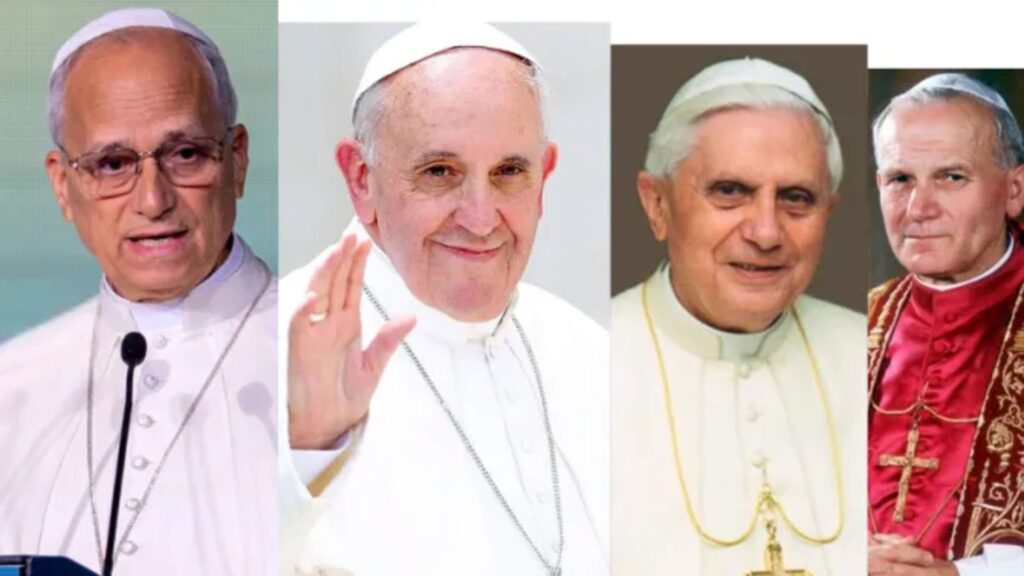
He spoke six languages fluently: Latin, Italian, French, Greek, Turkish, and Bulgarian.
Pope Paul VI
He mastered Italian, Latin, French, English, Spanish, and German.
Pope John Paul II
He spoke more than 10 languages: Polish, Italian, Latin, French, German, English, Spanish, Portuguese, Slovak, and Russian.
Pope Benedict XVI
He spoke German, Italian, Latin, French, English, Spanish, ancient Greek, and Hebrew.
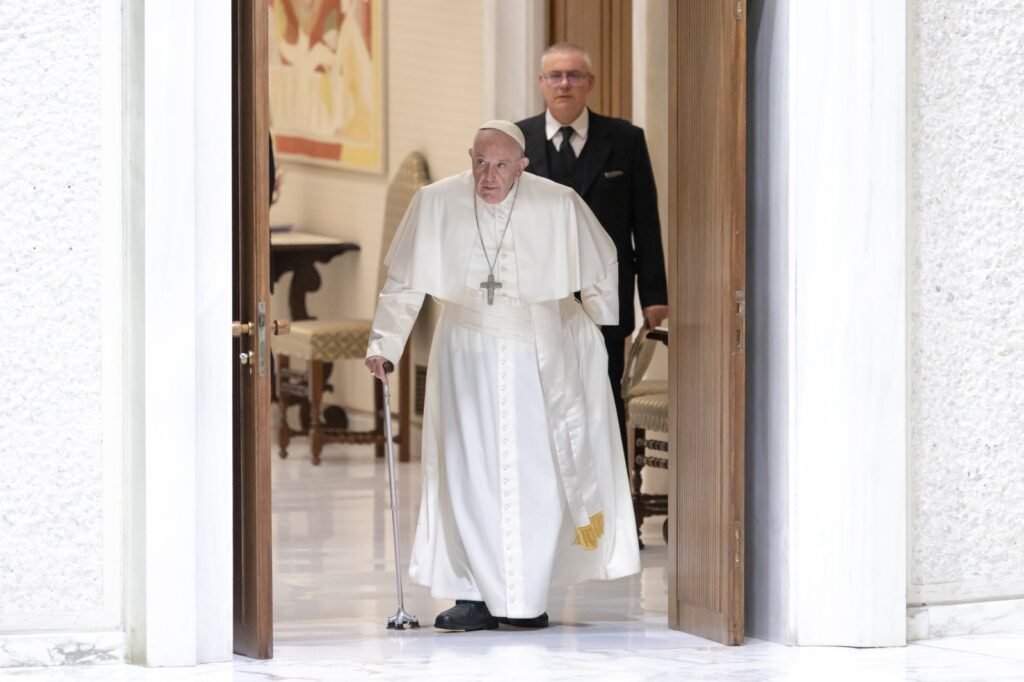
Pope Francis
He spoke Spanish, Italian, German, English, French, Portuguese, and Latin.
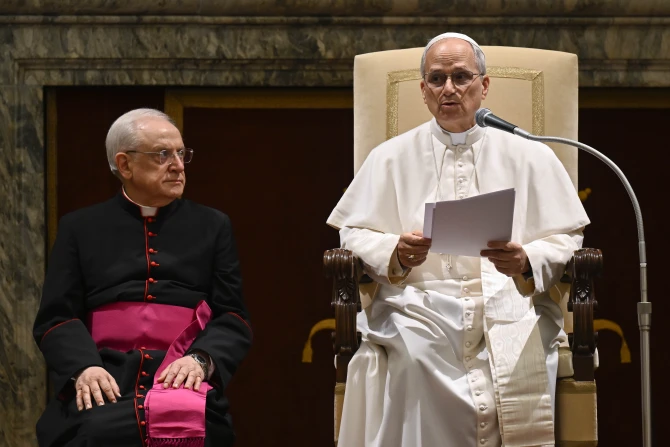
Pope Leo XIV
He speaks English, Spanish, Italian, Portuguese, and French fluently. He also reads and understands Latin and German well, although he is still developing his conversational ability in both.
Building bridges of trust
These popes strengthened the Vatican’s ability to communicate with the world, not only through translation or official statements but also by addressing people directly in their mother tongues.
Words spoken in a people’s own language are often closer to the heart, more sincere in expression, and more powerful in building understanding and trust. Although Pope Leo XIV does not speak Arabic, the brief Arabic greeting he offered in Lebanon, “Peace be with you,” was enough to bring joy to an entire people.
Sometimes what matters is not perfect fluency but a sincere word spoken at the right moment, one that leaves a lasting impact.
This story was first published by ACI MENA, the Arabic-language sister service of EWTN News. It has been translated and adapted by EWTN News English.