For more than 150 years, the Missionaries of Africa, popularly known as the White Fathers, have brought the Gospel to communities across Africa. Founded in 1868 by Cardinal Charles Lavigerie, then Archbishop of Algiers, the missionary society has sought to proclaim Christ while promoting human dignity, dialogue, and service.
In a visit to the society’s international headquarters in Rome, EWTN Vatican explores what missionary life looks like today and the challenges faced by priests serving in culturally and religiously diverse communities.
Why they are called the White Fathers
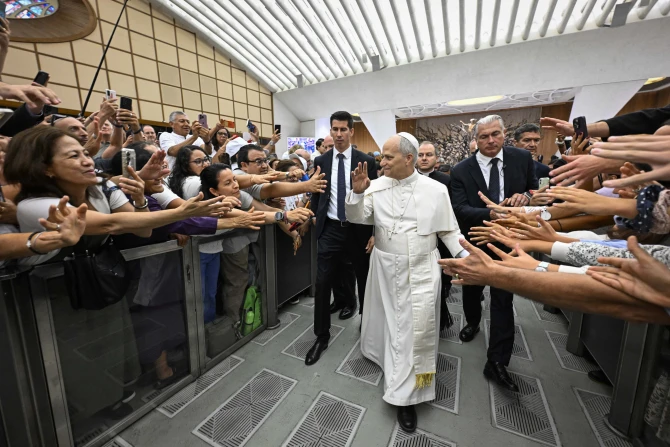
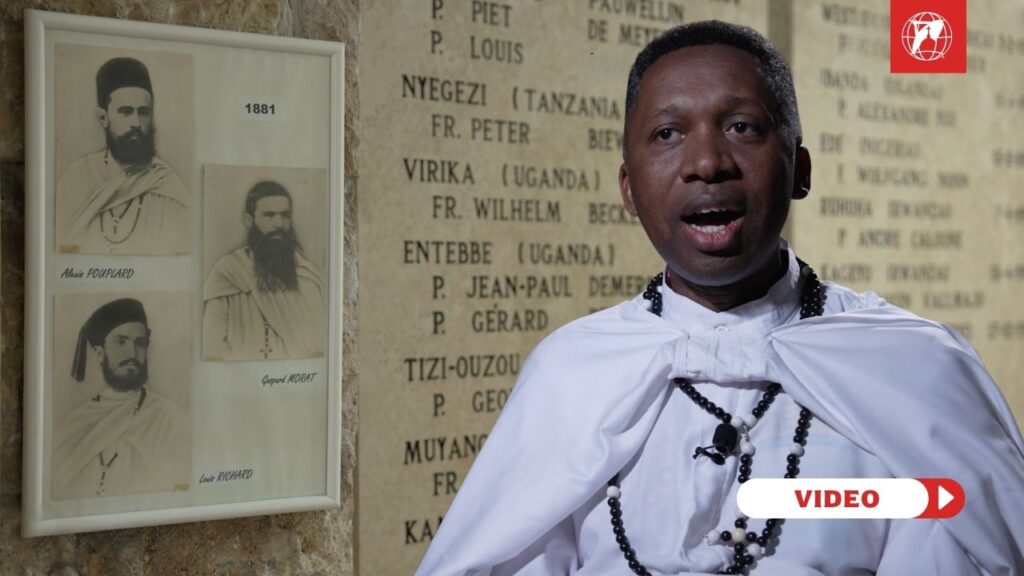
The White Fathers take their familiar name from their traditional white garments, inspired by clothing worn in North Africa. Their founder wanted missionaries to live among the people they served, adopting local customs and clothing so they could build relationships without emphasizing their status as foreign priests.
This approach reflected a broader vision of a Church open to the world, willing to meet people of different cultures and faiths.
In Algeria and other Muslim-majority communities, the Missionaries of Africa seek to make the Church present through relationships, service, and dialogue. Their mission extends beyond preaching. It involves living alongside local communities, learning their languages, understanding their traditions, and witnessing to Christian faith through daily life.
Facing challenges in the pursuit of justice and peace
For missionaries, this openness can require significant personal adjustment. Adapting to unfamiliar cultures, communicating across language barriers, and building trust with people of different religious backgrounds are among the challenges they encounter.
The work can become particularly difficult when missionaries are involved in questions of justice and peace that intersect with political tensions. One missionary interviewed in the report describes the challenge of standing up for justice while being prepared to face the consequences, which can sometimes include threats to personal safety.
In the Democratic Republic of the Congo, one missionary worked extensively with young people, including former child soldiers. His ministry combined proclaiming the Gospel with efforts to promote peace and help children recover from the trauma of violence.
He recalls the tragedy of children forced to carry rifles when they should have been carrying books or toys. Helping these young people recover their childhood and regain a sense of dignity became a central part of the mission.
Bringing hope to communities affected by conflict
In other areas, insecurity has made even everyday pastoral work dangerous. One missionary describes serving near Mount Nyiragongo in the Democratic Republic of the Congo, where volcanic eruptions and unstable conditions made survival a daily concern.
Despite these difficulties, the Missionaries of Africa continue their work across the continent, seeking to bring hope to communities facing violence, poverty, and uncertainty.
Their experience offers a reminder that missionary work is not simply about crossing geographical boundaries. It also requires a willingness to encounter others with humility, to serve those in need, and to remain present even in difficult circumstances.
As one missionary reflects, the first language a missionary must learn is love. For the White Fathers, that conviction continues to shape their witness to Christ and their service to the people of Africa.
Adapted by Jacob Stein. Produced by Bénédicte Cedergren; Video Edited by Gianluca Gangemi.