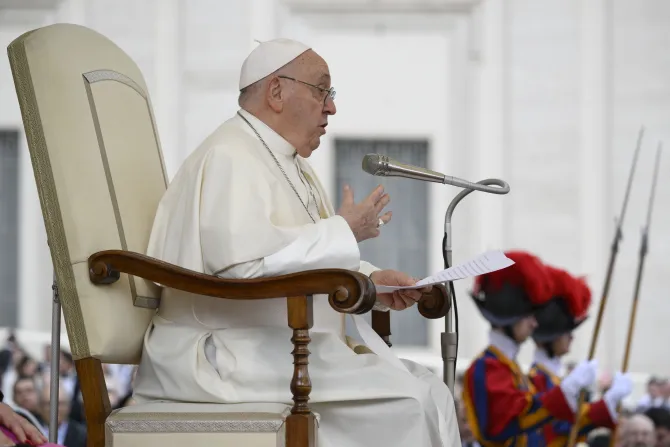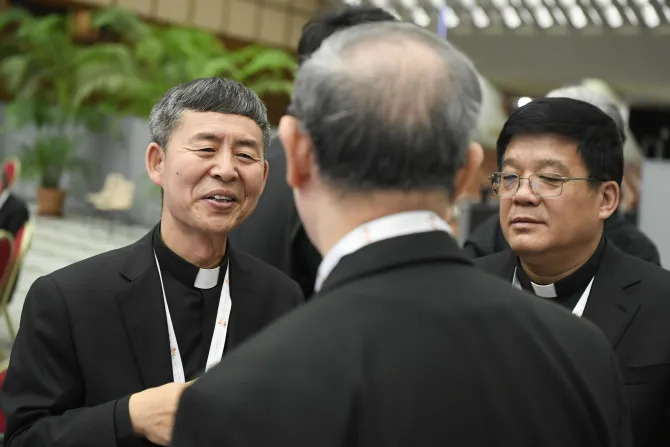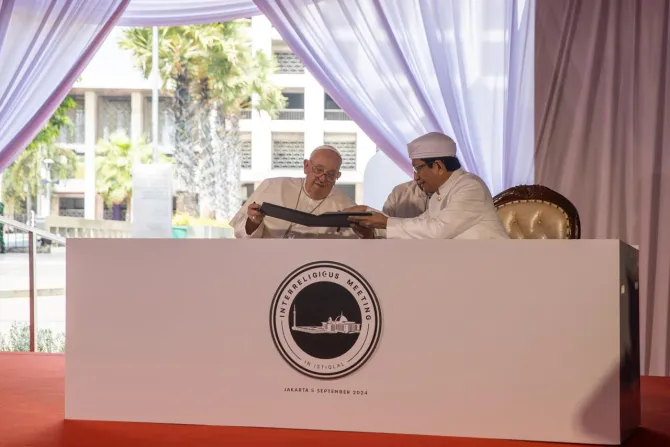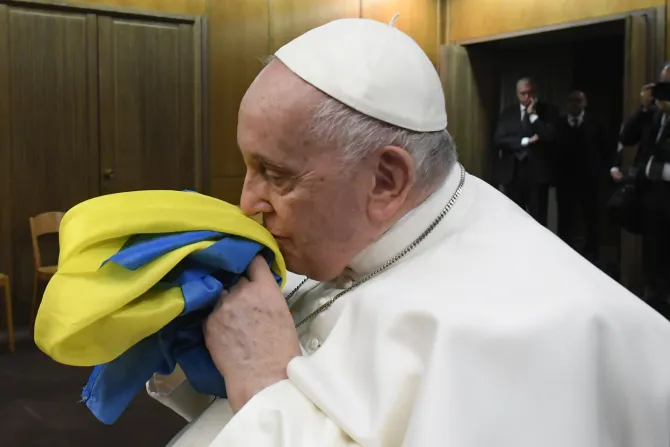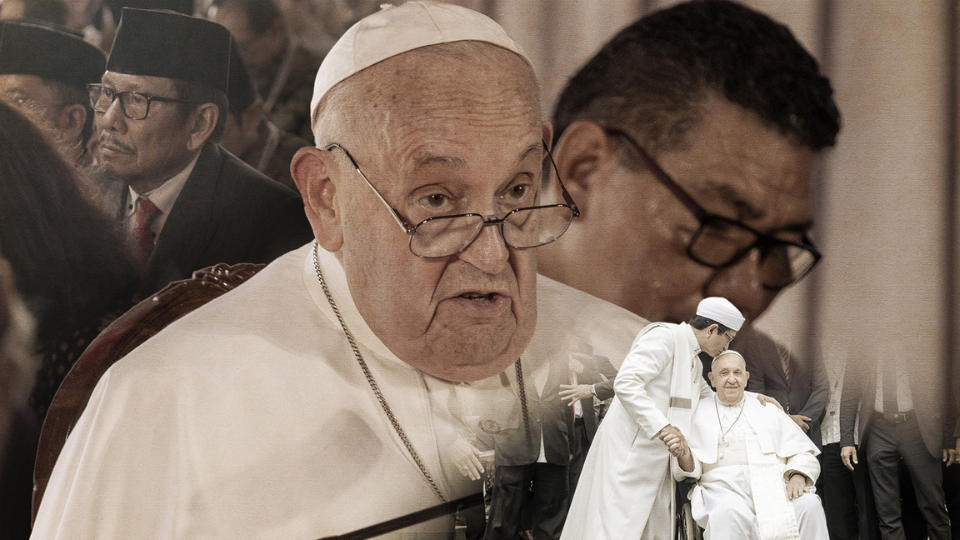
Pope Francis is embarking on his most ambitious and extensive trip to Southeast Asia. In anticipation of this important visit, EWTN Vatican Bureau Chief Andreas Thonhauser spoke with Father Marcus Solo, a priest from Indonesia and an official at the Dicastery for Interreligious Dialogue, to gain insights into the significance of this visit for Indonesian Catholics in a country known for its religious diversity.
Diplomatic and Pastoral Dimensions of the Visit
Andreas Thonhauser: What is the significance of the Pope’s visit to Indonesia?
Fr. Marcus Solo: The significance of the visit can be seen in two aspects: first, it’s a diplomatic visit to confirm and encourage the longstanding relationship between the Holy See and Indonesia. The second aspect is the pastoral visit. The Catholics in Indonesia, being a small minority, are very grateful that the Pope is coming after 11 years of his pontificate and after visiting more than sixty countries.
Interreligious Dialogue and Its Global Impact
Andreas Thonhauser: Do you think there will be a lot of people participating in different celebrations?
Fr. Marcus Solo: All 8 million Catholics in Indonesia would like to come to Jakarta, but they cannot. The stadium where the Pope is going to celebrate Mass on September 5th can only host around 35,000 people, so many are saddened that they cannot attend. However, they will closely follow the Pope’s visit.
Andreas Thonhauser: How do you see interreligious dialogue in Southeast Asia, particularly in Indonesia?
Fr. Marcus Solo: The visit of Pope Francis is significant for interreligious dialogue not only in Indonesia but globally. We practice dialogue in various forms, and Pope Francis is a model for promoting this dialogue. The mission of interreligious dialogue will be central during this visit.
Lessons from Indonesia’s Religious Diversity
Andreas Thonhauser: Is there a different understanding of interreligious dialogue in Southeast Asia compared to the West?
Fr. Marcus Solo: Yes, there is a difference. Indonesia was established as a plural country from the beginning, and this diversity is natural to us. Dialogue is part of our DNA, and we live it in various forms, particularly in the dialogue of life.
Andreas Thonhauser: What can we learn in the West from the faithful in Indonesia and Southeast Asia?
Fr. Marcus Solo: Indonesia’s unique history, language, and culture contribute to peaceful coexistence. Finding commonalities in history, culture, and religious realities can help unite societies rather than divide them.
Hope for Strengthened Relations
Andreas Thonhauser: Is there great interest in Catholic teachings in Indonesia?
Fr. Marcus Solo: Yes, Catholicism is well accepted and growing in Indonesia. The testimony of life from Catholics attracts interest from people of other religions. The number of those deciding to become Catholics is increasing.
Andreas Thonhauser: What are your hopes for the visit of Pope Francis?
Fr. Marcus Solo: I hope that Pope Francis’ visit will strengthen interreligious relations, particularly between Christians and Muslims. While we are seen as a role model for interreligious living, we face our own challenges. I hope Pope Francis will help us overcome these challenges and find ways to resolve our difficulties.
Andreas Thonhauser: Father Marcus, thank you so much for being with us and sharing your thoughts on this Apostolic trip of Pope Francis to Southeast Asia.
Fr. Marcus Solo: Thank you very much.
Adapted by Jacob Stein.