Jesus said to [Thomas], “Have you come to believe because you have seen me? Blessed are those who have not seen and have believed.” (John 20:29).
The moment in the Mass when the bread and wine become the body and blood of Christ is known as the Consecration. This occurs during the Eucharistic Prayer, which is the most solemn part of the Mass.
The doctrine of the Real Presence in Catholicism holds that Jesus Christ is truly present—body, blood, soul, and divinity—in the Eucharist.
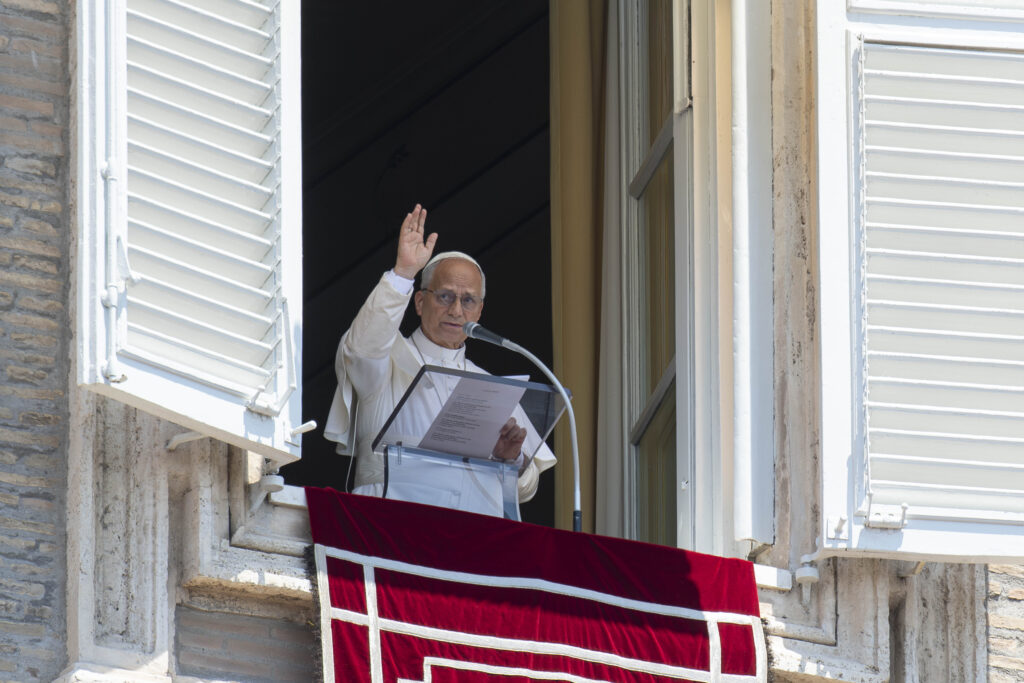
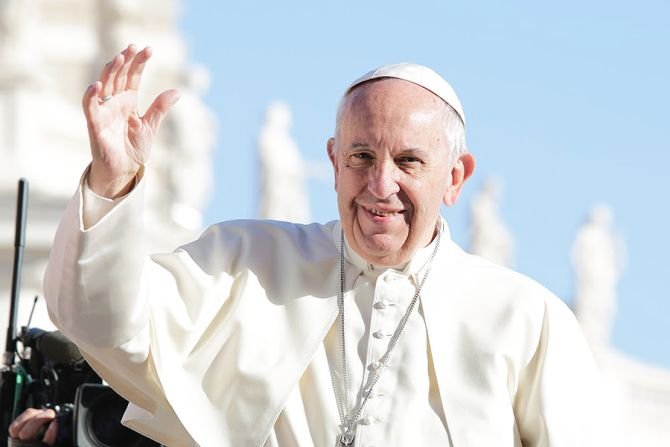
Turning to Pope Francis’s words in the Angelus Message of June 19, 2022, the Holy Father reminded us, “In the Body and Blood of Christ, we find his presence, his life given for each of us.”
He also gave us a prayer for moments when we are in Christ’s Eucharistic Presence, “Adoring the Body and Blood of Christ,” he said, “let us ask Him with our heart: “Lord, give me that daily bread to go forward, and satisfy me with your presence!”
This year, Pope Francis celebrates the Feast of Corpus Christi outdoors for the first time since the pandemic.
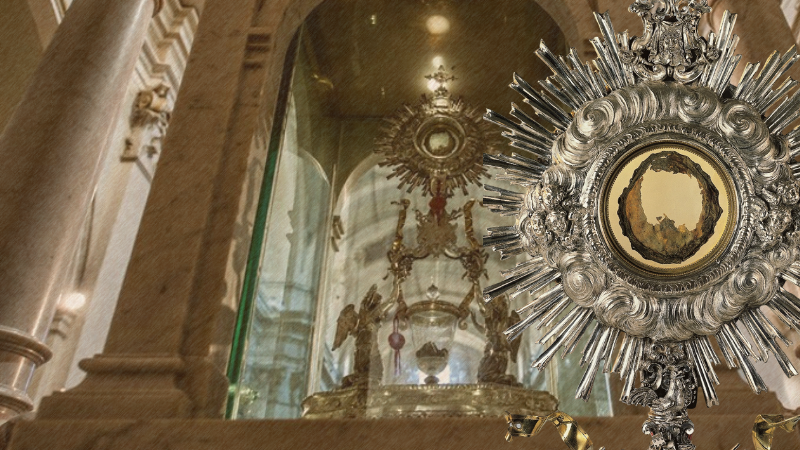
The feast honors the Real Presence of Jesus in the Eucharist, that he is truly present in His Body, Blood, Soul, and Divinity. Eucharistic miracles further attest to the profound truth, beauty, and inexhaustible mystery of the Eucharist. The first recorded miracle occurred in the Italian town of Lanciano.
Brother Santino Verna, the custodian of the relic, helps us rediscover one of the greatest events in the Church’s history.
“The miracle,” Brother recounted, “occurred in the first half of the eighth century, where a priest who remained anonymous and who was never given a conventional baptism had doubts about transubstantiation.”
According to the Catholic Church, Eucharistic miracles speak profoundly about the nature of faith, the significance of the sacraments, and the power of divine intervention.
Regarding this specific miracle, Brother Santino explained, “The Host became a part of the left ventricle, which is the part of the human body that is essential for the heart’s function, and this part of the myocardial tissue was aching and bleeding. The blood then clotted, while the wine turned into human blood and within a few moments changed from a liquid to a solid state.”
For the faithful, these miracles are a call to deepen their faith. They are seen as signs from God meant to strengthen belief in the mysteries of the Christian faith that are beyond human understanding. These events encourage a more profound reverence for the sacraments and inspire more fervent participation in communal worship and prayer.
What do eucharistic miracles say to us?
Eucharistic miracles are seen as profound expressions of God’s ongoing engagement with and love for the world, offering both a mystery to ponder and a catalyst for more profound spiritual commitment.
“The preservation itself is a miracle,” Brother Santino explained further. “It has even been studied and investigated through the works of Professor Edoardo Linoli. If we put water on the Host transformed into human flesh, which is precisely laser-cut, it starts to redden because it is dehydrated flesh. There is no chemical powder used for preservation.”
Since the 8th century, the Italian town of Lanciano has borne witness to the Real Presence of the Eucharist. We should never forget that we witness a miracle each time we attend Mass.
Adapted by Jacob Stein
Subscribe to our newsletter to get exclusive content, updates and information from the Vatican