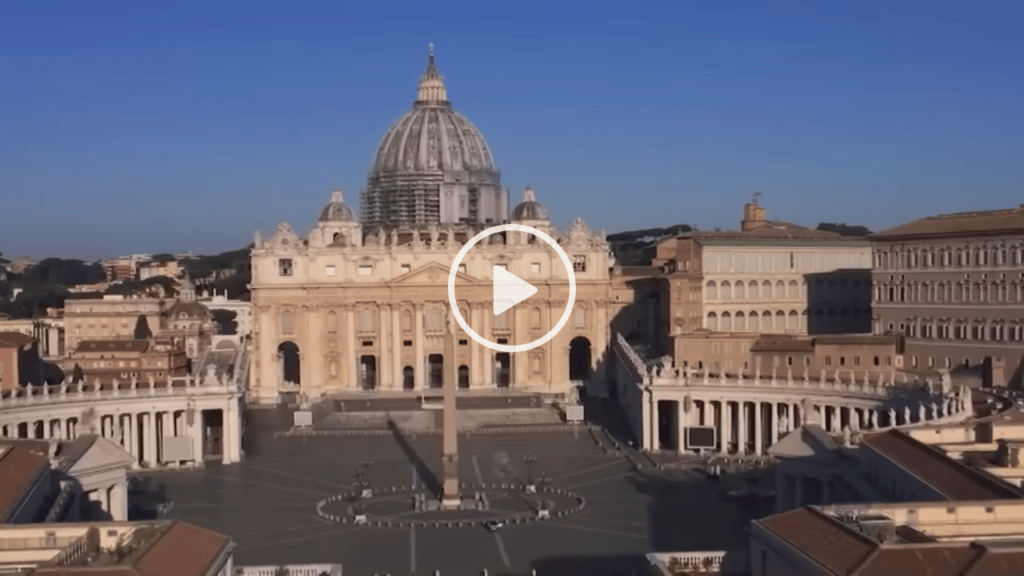
In a special episode of Vaticano, Fr. Mitch Pacwa takes viewers on a journey through the Vatican Apostolic Archives. The episode aims to debunk the myths surrounding the archive, such as the idea that it houses dark secrets of the Church and the popes. Instead, it explores the archive’s role as an instrument of governance at the service of the Pope, the Holy See, and the Curia.
The Vatican Apostolic Archives has a unique place in the world of document centers due to the chronological continuity of the documentary heritage it holds. With over 650 archive collections and 85 kilometers of documents spanning more than 12 centuries, it is a source of knowledge at the service of humanity. The archive has 62 employees, from researchers to technicians in the restoration and photography labs and professors of the school of archivists, all working towards the shared mission of seeking the truth.
The archive was established in 1611 by Pope Paul V Borghese. It was initially placed in the Paoline Room next to the Vatican Library but quickly outgrew the space. In 1613, Paul V moved the archives to the first floor of the Pius IV wing in the Apostolic Palace. The archives comprised of three continuous rooms furnished with wooden wardrobes decorated with the heraldic symbols of the Borghese family, the winged dragon, and the crowned eagle.
Over the years, the archive has grown rapidly, and its documentary heritage has expanded. In 1630, Pope Urban VIII recognized the necessity of definitively separating the Secret Archives from the Vatican Library and declared their total autonomy. In 1660, Pope Alexander VII Chigi decided to increase the space dedicated to the archive and inaugurated the Chigian Rooms, located just above the piano nobile.
The archive’s history took a turn after the French occupation of Rome in 1798 and the confiscation of the papal archives by Napoleonic troops in 1810. In 1881, Pope Leo XIII opened the doors of the archive to researchers from all over the world. Today, the archive remains a consolidated reality with a mission to respectfully and methodically cultivate the memory of the history of the Church of Rome and its intimate encounter with people of all times, without distinguishing between race or religion.
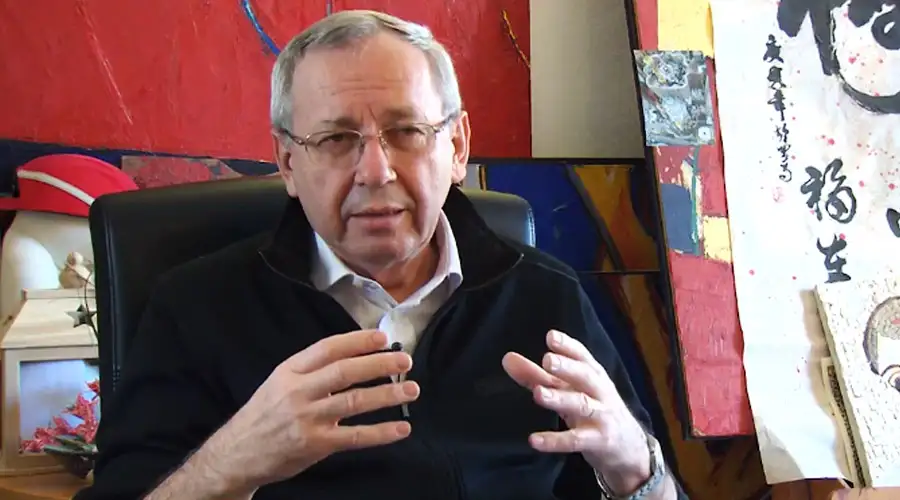
Fr. Pacwa interviews several key figures of the archive, including His Eminence José Tolentino de Mendonça, Bishop Sergio Pagano, Msgr. Laurence Spiteri, Alessandro Rubechini, and Dr. Luca Carboni, to understand the marvels and peculiarities of the archive. The episode dispels the myths surrounding the archive and highlights its importance as a center of knowledge and governance, which has a crucial role to play in preserving the history of the Catholic Church.